Why 'Wiped Out!' Feels Like a Breakdown
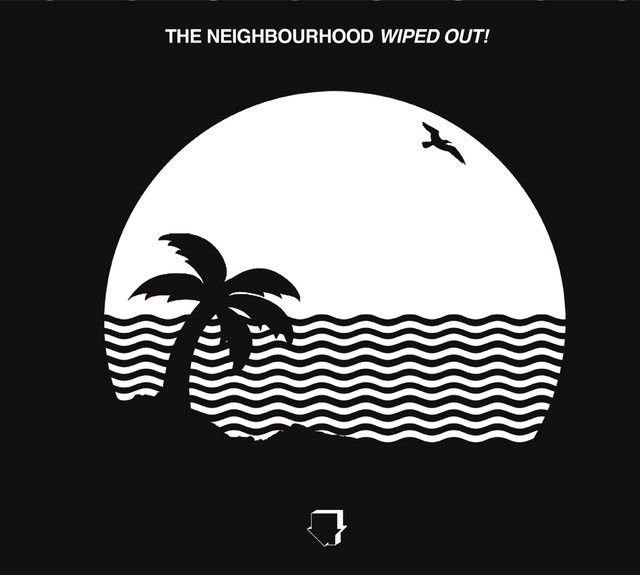
The meaning of Wiped Out! The Neighbourhood comes down to one core feeling: being emotionally drained while still expected to keep moving. In the title track from the band’s 2015 album Wiped Out!, they sketch a mind that feels cornered by loneliness, pressure, and success that no longer feels comforting.
"Wiped Out!" - The Neighbourhood
Young and innocent but getting older
I don't wanna be alone
Loading lyrics...
Unable to load lyrics
We're unable to display the lyrics at this time. Please try again later.
The song is not built like a neat story with a clear ending. Instead, it feels like a spiral. That matters, because the track’s structure mirrors the narrator’s state of mind: stuck, overwhelmed, and unable to settle.
The song’s real center is exhaustion
At the start, they place the narrator in a vulnerable state. Phrases like lost and afraid
and I don't wanna be alone
show someone who feels both young and worn down. The song frames pain as something that leaves lasting marks, not just passing sadness.
Interpretation: this is less about one bad day and more about long-term emotional damage. The title itself suggests burnout. That fits comments about the album’s creation: frontman Jesse Rutherford said the album was called Wiped Out! because the band felt exhausted, even before they finished making it, according to Wikipedia’s summary of album background.
That context strengthens the reading of the song. The exhaustion in the lyrics does not feel theatrical. It feels lived-in.

Watch the official Wiped Out!
music video
A voice trapped between leaving and needing help
One of the most important tensions in the song is that the narrator wants escape but also wants connection. They say they want to leave, yet they also beg not to be abandoned. That contradiction is the heart of the track.
The line I'm an alien
captures that split well. It suggests distance from other people and even from the self. They feel strange in their own life, unable to trust what they believe or explain what they need.
Here, the song becomes more than a breakup song or a fame song. It is about alienation. The narrator wants another person to understand them, but also doubts that anyone can. That makes the plea for rescue feel desperate rather than romantic.
The darkest verse turns pressure into the theme
Midway through, the song becomes much more direct. The narrator asks how anyone could understand what they feel without being inside their head. Then they connect outside pressure to disturbing thoughts.
inside of my head
pushing my buttons
think about death
This is the song’s emotional turning point. They stop speaking in vague sadness and name an internal crisis. The pressure is not just stress. It is mental overload.
The verse also links money to discomfort. Success has brought checks, but not peace. Instead, it has made the narrator feel fake, guilty, and physically uneasy. Interpretation: the song suggests that fame and income have deepened existing instability rather than solving it.
That idea fits the wider album, which was released October 30, 2015, through Columbia and became The Neighbourhood’s first No. 1 on the US Top Alternative Albums chart, per Wikipedia. Public success, then, sits in sharp contrast with the private collapse described in the song.
Why the repeated chorus matters so much
The closing section repeats emotional movement in circles: back and forth, up and down, never satisfied. This repetition is not filler. It is the point.
Interpretation: the chorus simulates rumination. Instead of progressing, the narrator loops. They cannot land on a decision, a mood, or a stable identity. The repeated wording makes the listener feel that instability physically.
This is one reason the song leaves such a strong impression. Many songs about sadness aim for release. “Wiped Out!” refuses release. It keeps the listener suspended in the same cycle the narrator cannot escape.
How the production carries the meaning
The music deepens the lyrics by sounding heavy, hazy, and slow-burning. The Neighbourhood’s second album was largely produced by Justyn Pilbrow and 4e, with mixing by Mark “Spike” Stent, according to Wikipedia. On this title track, that polished but cloudy sound matters.
The arrangement feels wide and moody rather than sharp and aggressive. That gives the song a floating quality, as if the narrator is dissociating while still carrying a huge emotional weight. The beat does not rush them forward. It drags them through the feeling.
Critics often described the album’s sound as hazy and R&B-leaning. Billboard, as quoted in the Wikipedia entry, said the record kept a twilight mood and moved toward “hazy R&B.” That description suits this track especially well. The production feels sedated, but the lyrics are panicked. That contrast makes the song more unsettling.
The best way to read the song
The strongest reading is that “Wiped Out!” is about burnout from every direction at once: relationships, self-image, money, and inner turmoil. It presents someone who fears isolation, mistrusts success, and feels trapped inside a mind that will not quiet down.
A second valid reading is that the song captures the cost of growing up too fast. Early lines stress innocence fading into damage. In that view, the track is about losing emotional safety and realizing adulthood offers no easy balance.
Why it still connects
The meaning of Wiped Out! The Neighbourhood lasts because the song does not pretend confusion can be cleaned up. They let the emotions stay messy, repetitive, and hard to explain. That honesty is what gives the track its staying power.
For many listeners, “Wiped Out!” feels less like a confession overheard and more like a mental state translated into sound.
Disclaimer: This article offers interpretation based on the lyrics, artist context, and recorded performance. Meanings can vary from listener to listener.








