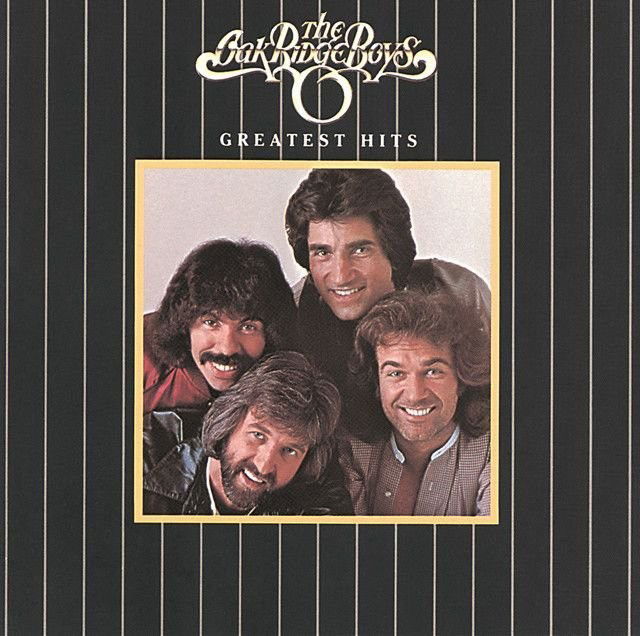
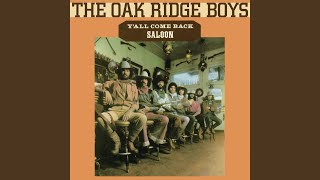
Y'all Come Back Saloon by The Oak Ridge Boys
They come for the twang, but they stay for the blessing. The meaning of Y'all Come Back Saloon The Oak Ridge Boys sits at the crossroads of memory and mercy: a closing-time prayer for people who hurt.
"Y'all Come Back Saloon" - The Oak Ridge Boys
And she must have known the words to at least a million tunes
But the one most requested by the man she knew as "cowboy"
Loading lyrics...
Unable to load lyrics
We're unable to display the lyrics at this time. Please try again later.
A midnight blessing in a neon chapel
The song paints a simple scene—a saloon singer and a tired drifter—then treats it like a ritual. She shakes rhythm and steadies nerves; he asks for the same song that keeps him going. The lyric turns the bar into a kind of chapel at last call.
She played tambourine with a silver jingle
Was the late night benediction at the y'all come back saloon
The phrase late night benediction
reframes a barroom tune as a small blessing. It hints that even the roughest places can offer grace.
Watch the official Y'all Come Back Saloon
music video
Who’s watching this scene?
The song uses third-person storytelling. They never hear the singer speak directly; instead, they watch the room respond. When the lyric mentions fallen angels
and pinball players pausing, it suggests that everyone present recognizes the moment’s weight. People with their own dents and regrets go quiet for a minute.
This distance matters. By avoiding “I,” the narrator leaves space for listeners to step into the saloon and feel the hush. It’s less confession and more witness.
The barroom story, beat by beat
- The singer sets the mood with tambourine and a soft voice.
- A regular—known only as “cowboy”—requests the same benediction each night.
- The room stills; even the gamblers stop to listen.
- The lyric turns inward: the man carries
faded love
and memories that won’t quit. - He lifts a glass in thanks, pays, and heads out—a
broken cowboy
fading into the night.
Each beat ties hurt to habit. The song suggests that routine—ordering the same drink, asking for the same tune—can be a lifeline.
Why the refrain keeps returning
The hook returns like a nightly prayer. Every time the line about the benediction reappears, it resets the room. Interpretation: the repetition shows how grief works. People return to the same songs until their hearts can bear the weight. That’s why the phrase out of tune and out of time
lands so hard; he’s measuring his life against a melody he can’t quite match anymore.
Symbols and sound that carry the weight
- Tambourine: a handheld rhythm that feels humble and homemade, fitting a bar “service.”
- Halo and angels: smoky light turns the singer saintlike without calling her perfect.
- Amarillo: a name that signals a past life and a lost home.
- The raised glass: not just a toast—an offering.
How the record sounds like the room
Produced in the late 1970s, the track leans on acoustic guitar, gentle bass, and brushed drums, with the Oak Ridge Boys’ tight four-part blend softening the edges. Their harmonies cradle the melody like a lullaby, a sonic mirror of the lyric’s comfort. Ron Chancey’s production favors warmth over flash, letting the story sit front and center. You can almost see the haze, feel the floorboards, and hear the last coins rattle in the pinball machine.
Artist context that deepens the story
Written by Sharon Vaughn, the song arrived as The Oak Ridge Boys were moving from gospel roots into mainstream country. It became the title track of their 1977 album and helped set up their late-’70s/early-’80s run. The group’s signature blend—Duane Allen’s lead, Joe Bonsall’s tenor lift, William Lee Golden’s baritone warmth, and Richard Sterban’s bass rumble—makes the benediction feel communal. The voices together say: you’re not alone.
Alternate ways to read the ending
- Interpretation 1: The line about walking the
broken cowboy
home is figurative. The “home” is emotional—a sense of peace the song provides at the end of the night. - Interpretation 2: It’s literal. Someone—maybe the bartender or a friend—ensures he gets safely down the sidewalk. Either way, the point is care.
Ambiguity is the song’s strength. It leaves just enough space for listeners to insert their own “Amarillo,” their own faded photograph, their own last call.
The quiet power of a simple goodbye
In under four minutes, the track offers a secular blessing: you can be dented and still worthy of tenderness. That’s the heart of the meaning of Y'all Come Back Saloon The Oak Ridge Boys—love may be faded, but kindness still has a clear ring.
Disclaimer: Song meanings are interpretive and may differ from the songwriter’s or artist’s stated intent.
Sources
- https://www.rollingstone.com/music/music-country-lists/oak-ridge-boys-best-songs-joe-bonsall-1235056397
- https://www.allmusic.com/album/yall-come-back-saloon-mw0000651625
- https://www.billboard.com/artist/the-oak-ridge-boys/chart-history/csi/
- https://en.wikipedia.org/wiki/Y%27All_Come_Back_Saloon_(song)
- https://www.oakridgeboys.com/bio