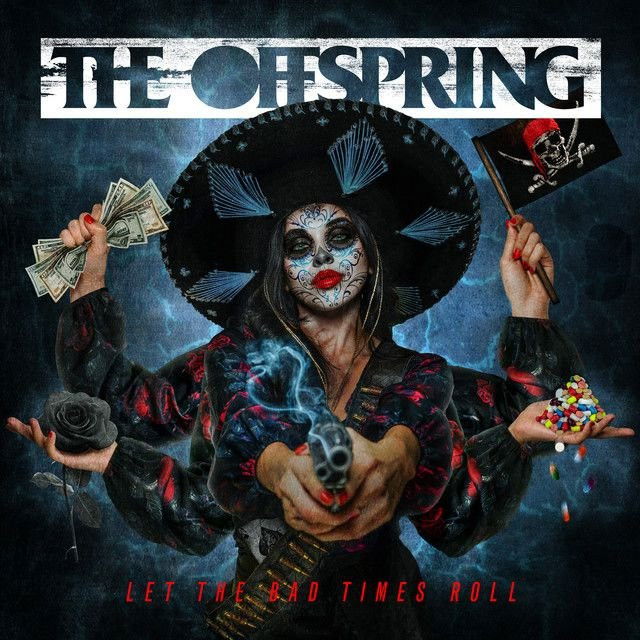
Why The Offspring Made Chaos Sound Catchy
The meaning of Let The Bad Times Roll The Offspring comes down to one big idea: they turn social collapse into a sarcastic sing-along. The hook sounds fun, but the song is not cheering for disaster. They use irony to show what it feels like when public life gets so cynical that people start treating bad leadership, division, and truth-twisting as normal.
"Let The Bad Times Roll" - The Offspring
Oh, oh, oh, oh
Oh, baby, let the bad times roll
Loading lyrics...
Unable to load lyrics
We're unable to display the lyrics at this time. Please try again later.
Released on February 23, 2021, as the title track from the band’s tenth studio album, the song became a major rock hit and reached No. 1 on Billboard’s Mainstream Rock chart, according to Wikipedia. That success matters because it shows how widely its mood connected: anxious, angry, but still ready to shout along.
A Chorus That Smiles While It Warns
At first glance, the refrain let the bad times roll
can sound like reckless celebration. But the song works more like a shrug delivered with clenched teeth. Instead of saying hard times are good, they suggest that society has gotten so used to spectacle and conflict that it almost invites more.
Interpretation: the chorus is a form of bitter sarcasm. It takes the language of a party anthem and flips it into a warning. That makes the song memorable because listeners can feel both sides at once: the beat says move, while the message says look at the mess.
Songfacts quotes Dexter Holland describing a period where leaders seem less focused on solving problems and more likely to act as if it is all beyond repair. In that light, the hook feels less like surrender and more like a critique of surrender itself (Songfacts).
Watch the official Let The Bad Times Roll
music video
The Political Satire Hiding in Plain Sight
The verses are where the song sharpens its teeth. Phrases like truth is what we're erasing
and make it up as I go along
point to propaganda, misinformation, and shameless spin. The speaker sounds proud of lying, which is exactly the point: they are performing the voice of corruption.
That same strategy shows up in references to punishment, revenge, and crowd-chants. The song mentions slogans and culture-war targets not to endorse them, but to expose how crude public discourse can become. When they toss in gonna build a wall
, they are tapping directly into a recognizable political symbol of division.
Interpretation: the narrator is not a hero. They sound more like a caricature of power talking down to everyone else. By letting that voice sound catchy and confident, The Offspring show how seductive bad ideas can be when they are packaged as strength.
Why Lincoln and Machiavelli Matter
Two references deepen the satire. One is Machiavelli flow
, which hints at manipulation, strategy, and the belief that power excuses dirty tactics. The other is the line about Lincoln’s grave, which suggests that American ideals are being twisted so badly that a figure tied to unity and moral seriousness would be horrified.
These references keep the song from being just a list of complaints. They connect present-day chaos to older questions about leadership: Is politics about service, or only control? Is truth a duty, or just another tool?
The Song’s Narrative in Four Moves
- It opens with a fake celebration of collapse.
- It moves into threats, lies, and social cruelty.
- It frames those behaviors as public performance.
- It ends by asking whether people will go numb or resist.
That structure makes the song feel like a spiral. Each section pushes deeper into the idea that bad times do not only happen; they are also exploited.
Bright Music, Dark Message
One reason the track works so well is its sound. Critics noted its upbeat, bouncy style even as the lyrics stay cynical; Riff Magazine, as summarized in research, highlighted that contrast. Songfacts also notes that guitarist Noodles described the dark-verses, dance-ready-chorus split as part of the concept: if the world is falling apart, people may still feel like dancing through it.
That musical choice is key to the meaning of Let The Bad Times Roll The Offspring. The polished pop-rock production, credited to Bob Rock and the band, gives the song a radio-ready shine (Wikipedia). Drums hit hard, guitars stay punchy, and the melody keeps things moving. The result feels like entertainment built on top of alarm.
Oh, baby, let the bad times roll
Take what's right and make it wrong
Make it up as I go along
In this short passage, the song says its quiet part out loud. It pairs a chantable hook with the confession of moral reversal. That is the whole design in miniature.
More Than One Way to Hear It
There is a clear political reading, but not only a political one. Noodles said the band likes to ask questions instead of telling listeners what to think, according to Songfacts. That leaves room for a second reading: the song can also describe toxic relationships, media addiction, or any environment where manipulation becomes normal.
Interpretation: the broadest theme is decay mixed with denial. Whether the setting is government, culture, or private life, the song asks what happens when people know something is wrong but keep chanting anyway.
Why It Still Lands
The song arrived during the COVID era, and its surreal music video leaned into that unstable mood with absurd imagery and quarantine anxiety, as noted by Wikipedia. That timing gave the track extra force. It captured a moment when reality felt both dangerous and ridiculous.
In the end, The Offspring did not write a protest song in a solemn voice. They wrote one that grins while showing its bruises. That is why it sticks: it sounds like fun, then reveals that the fun is the trap.
Disclaimer: This interpretation mixes documented context with critical reading. Songs can support more than one meaning, and listeners may hear different emotional or political shades in the track.









