Why 'Soldier, Poet, King' Feels Like Prophecy
The meaning of Soldier, Poet, King The Oh Hellos becomes clearer once they hear it less as a story song and more as a compact prophecy. In just a few verses, The Oh Hellos sketch three identities that point to one figure. The result is brief, catchy, and loaded with spiritual symbolism.
"Soldier, Poet, King" - The Oh Hellos
Who carries a mighty sword
He will tear your city down
Loading lyrics...
Unable to load lyrics
We're unable to display the lyrics at this time. Please try again later.
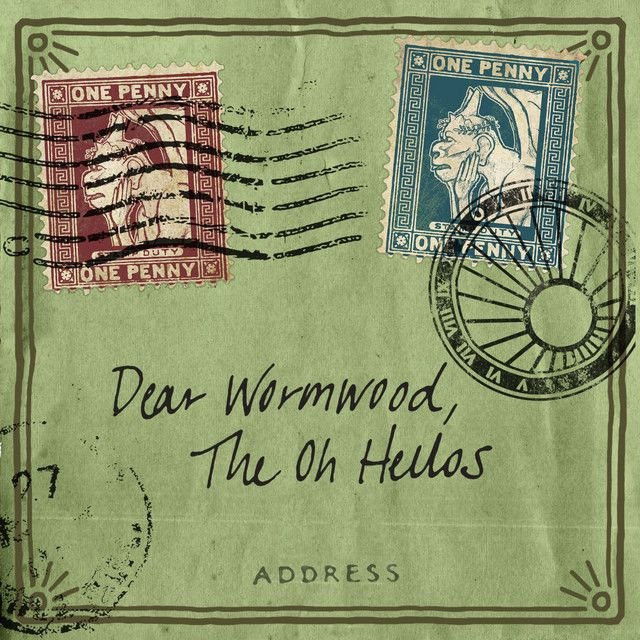
The song appeared on Dear Wormwood, a 2015 release by sibling duo The Oh Hellos, a folk-rock group known for literary and religious imagery. Credits commonly list Hannah Margaret Heath and Tyler Heath as writers. That background matters because their catalog often blends old-testament language, allegory, and communal-sounding folk arrangements.
The Core Idea Hiding in Plain Sound
At its center, the song presents a coming figure through three titles: soldier
, poet
, and ruler
. Rather than introducing three separate people, the lyrics strongly suggest three sides of one messianic character.
Interpretation: Many listeners read that character as Jesus. That reading fits the references to a mighty sword, speech as a weapon, a head marked by thorns, and a connection to Davidic kingship. The song does not explain these symbols in plain language, but it stacks them in a way that invites a biblical reading.
Watch the official Soldier, Poet, King
music video
Three Titles, One Figure
The Soldier as Judgment
The first image is force. The line about one who carries a mighty sword
suggests conquest and the power to bring down corrupted systems. When the song says he will tear your city down
, it sounds less like random violence and more like judgment against pride, empire, or false security.
Interpretation: In Christian symbolism, the sword can point to divine justice or truth cutting through illusion. So the soldier is not only a fighter. They may represent the idea that evil will not stand forever.
The Poet as Truth
The second verse shifts from steel to speech. Instead of defeating enemies with weapons, the poet uses words. The phrase weapon is His word
turns language into power.
That makes this verse crucial to the meaning of Soldier, Poet, King The Oh Hellos. It says that truth itself can overthrow lies. The next image, about being struck down by the tongue, suggests speech sharp enough to expose, judge, and transform.
The King as Sacrifice and Authority
The final role is the ruler, but not a comfortable monarch. The image of a brow laid in thorn
ties kingship to suffering. Then the song adds the David reference, which connects the ruler to biblical anointing and the line of Israel's famous king.
Interpretation: This is the strongest evidence that the song points to Christ. The thorns echo the Passion story, while Davidic language suggests the promised king. Power here is not just domination. It is sacrifice joined to legitimacy.
Why the Biblical References Matter
The lyrics are short, but they pull from a deep well of Christian imagery. The David mention matters because it links the ruler to messianic expectation in the Bible. The thorn image matters because it joins pain and glory in one picture.
Together, these details create a paradox: the coming king wins not only by force, but by speech and suffering. That tension is what gives the song its emotional charge. It sounds triumphant, but it also sounds humble and wounded.
The Refrain Makes It Feel Ancient
Much of the song's power comes from the repeating chant, especially the recurring oh Lord
. The non-lexical syllables around it do not carry a direct plot, but they create mood. They make the track feel like a folk hymn, campfire spiritual, or old oral tradition.
That matters because the arrangement supports the message. Instead of modern, ironic distance, The Oh Hellos lean into hand-played rhythm, layered vocals, and a communal pulse. The performance sounds like a group announcing something inevitable.
How the Sound Carries the Message
Production-wise, the song is simple but strategic. Acoustic strumming, stomping rhythm, and stacked harmonies give it a processional feel. It builds energy without becoming heavy, which keeps the lyrics clear and memorable.
The melody also helps explain why the song spread so widely online. Each verse arrives with the same shape, so the listener focuses on the changing title and image. That repetition turns the song into a kind of riddle: each verse adds new evidence for who the central figure really is.
Other Ways to Read It
A religious reading is the strongest one, but it is not the only one.
Interpretation: Some listeners hear the song as a broader statement about power. The soldier represents physical force. The poet represents persuasion and ideas. The king represents leadership and public legitimacy. In that reading, the song maps three ways history gets changed.
Others hear it as a warning that systems can be toppled from outside, inside, and above: by battle, by language, and by rule. That reading fits the repeated destruction image, though the thorn and David references still tilt heavily toward biblical symbolism.
Why It Still Connects
Part of the song's appeal is how much it says with so little. It feels grand, but it stays singable. It invites belief without demanding a single response from every listener.
For many fans, the meaning of Soldier, Poet, King The Oh Hellos lies in that fusion of prophecy and folk music. It presents a savior who is fierce, articulate, and crowned through suffering. Even listeners who miss the biblical details can still feel the shape of a powerful arrival.
A Final Reading Worth Holding
In the end, the song works because each role corrects the others. The soldier alone would be fearsome. The poet alone might seem abstract. The king alone might feel distant. Together, they form a fuller picture of authority grounded in justice, truth, and sacrifice.
Disclaimer: This interpretation is based on the lyrics, common biblical symbolism, and the band's broader style. As with many songs, listeners may reasonably hear different meanings in it.








