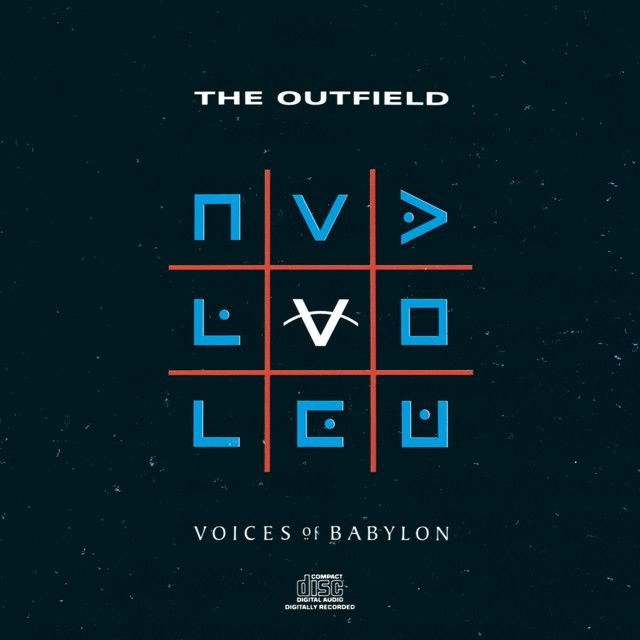
How ‘Voices of Babylon’ Turns Anxiety Into Anthem
The meaning of Voices of Babylon The Outfield starts with a tension the band knew well: catchy pop-rock music carrying uneasy ideas. Released in 1989 as the lead single from the band’s third album, the song was written by John Spinks and became one of The Outfield’s strongest U.S. rock-radio hits, reaching No. 2 on Billboard’s Mainstream Rock chart and No. 25 on the Hot 100. Those facts matter because the song’s success shows how well it balanced thought and hook.
"Voices of Babylon" - The Outfield
No one's going anywhere tonight
We conceived a modern generation
Loading lyrics...
Unable to load lyrics
We're unable to display the lyrics at this time. Please try again later.
A Big Chorus About a Troubled World
At its core, this song sounds like a warning wrapped in an arena-ready chorus. The lyrics describe a group of people who helped build the modern world, only to feel trapped by what they created. When the song says they are victims of our own creation
, it points to self-made problems: pressure, moral confusion, and a sense that progress has come with a cost.
That idea deepens with painted black or white
. The image suggests a world reduced to extremes, where nuance disappears. Instead of freedom, people get forced choices, shallow certainty, and conflict.
Interpretation: The song is not just about one person’s crisis. It reads more like a generational statement. The repeated use of “we” makes the speaker sound collective, as if they are speaking for a society that feels spiritually worn down.

Watch the official Voices of Babylon
music video
Why “Babylon” Matters So Much
The title does a lot of the heavy lifting. Historically and symbolically, “Babylon” often stands for excess, corruption, noise, exile, or a fallen city. The Outfield never explain it in a literal story sense, but the phrase Voices of Babylon
makes the city sound like a chorus of confusion.
Then the song pairs that image with streets of London
. That move is important. It brings the symbol down from myth and into everyday life. Babylon is not some far-off ancient place; it can be modern urban life, familiar and immediate.
Interpretation: By connecting Babylon to London, the song suggests that the same old human problems—temptation, pride, disconnection—still speak through modern cities. The title becomes a way to say that history keeps repeating itself.
How the Verses Build the Song’s Argument
The first verse introduces communication and urgency. They hear a call, but no one is moving forward. From there, the song shifts quickly into a wider social view. They helped shape a “modern generation,” and what once looked liberating now has consequences.
A later line about temptation and survival makes the stakes feel primal, not just political. The song implies that under modern systems and social noise, people are still driven by instinct, fear, and desire. That is why the lyrics feel both contemporary and ancient.
Back to the rhythm
that we all came from
That short refrain acts like a reset button. After the verses describe confusion, the chorus reaches for something more basic and more human: a shared source, a common beat, maybe even a lost sense of belonging.
The Chorus Is Nostalgia and Escape at Once
The chorus is the emotional center of the song. Musically, it opens up. Lyrically, it reaches backward. The phrase back to the people
suggests a desire to reconnect with what feels real, local, and known.
But the chorus is not simple comfort. It also carries distance. The line about space and time being too far gone hints that this return may not be fully possible. They can imagine home, roots, and community, but they may already be separated from them.
Interpretation: That is what gives the chorus its ache. It is not just celebrating origin; it is grieving disconnection from origin.
The Sound Explains the Meaning
One reason the meaning of Voices of Babylon The Outfield lands so well is the production. The Outfield were known for bright guitars, big choruses, and Tony Lewis’s clear, yearning vocal tone. On this track, those familiar strengths remain, but the mood is more serious than on earlier hits like “Your Love.”
The song was written by John Spinks and produced by Spinks, David Kahne, and David Leonard for the 1989 album Voices of Babylon. The arrangement blends polished late-’80s rock with a driving pulse, ringing guitar lines, and a chorus built to sound larger than the verses. That contrast matters: the verses feel tense and analytical, while the chorus feels like a communal cry.
In other words, the music performs the lyric’s central struggle. Tight rhythm sections suggest pressure and momentum. The soaring hook suggests release, memory, and hope.
Artist Context Helps Clarify the Message
By 1989, The Outfield were no longer brand new. Their earlier albums had already established them as a British band with major U.S. radio appeal. This single came from their third studio album and marked a slightly weightier lyrical turn without losing accessibility.
That mix may explain the song’s reception. It worked on rock radio because it was immediate and melodic, but it also invited listeners to project larger worries onto it: modern life, social fragmentation, and the fear that people are drifting from each other.
A Strong Alternate Reading
There is another fair way to hear the song. Instead of treating it as broad social commentary, some listeners may hear it as a band song—a reflection on identity, fame, and creative pressure. Lines about imagination, waiting their turn, and possibly being gone by the time their moment arrives can sound like artists speaking about instability in public life.
Interpretation: This reading fits some of the lyrics, but the communal language and the Babylon symbolism make the wider societal reading stronger.
Why the Song Still Connects
The song still works because its worries have not gone away. People still feel overwhelmed by systems they helped build. They still sort life into false binaries. They still long for community while feeling cut off from it.
That is why “Voices of Babylon” endures: it turns cultural unease into something singable. It does not offer a clean solution, but it gives shape to a feeling many people recognize.
Disclaimer: This interpretation is based on the song’s lyrics, musical choices, and release context. As with most songs, listeners may hear meanings that differ from this reading.







