Why 'It'll Shine When It Shines' Feels So Wise
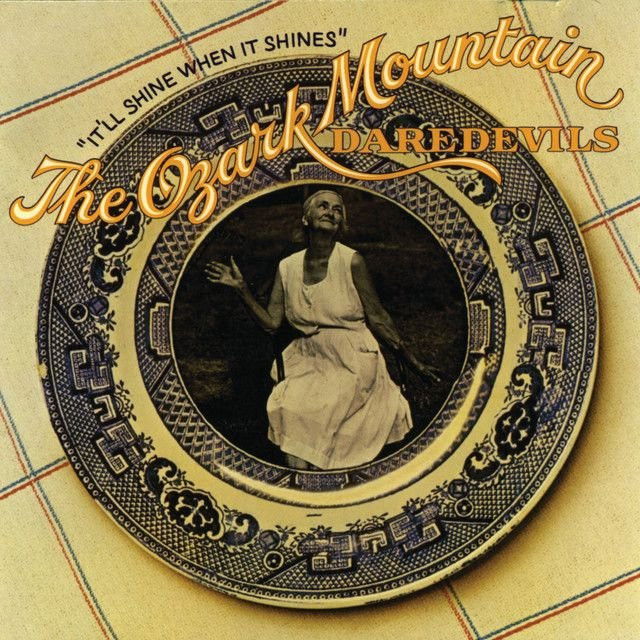
The meaning of It'll Shine When It Shines The Ozark Mountain Daredevils comes down to patience, faith, and plainspoken country wisdom. The song does not chase drama. Instead, it calmly argues that life moves in seasons, and people cannot force every answer before its time.
"It'll Shine When It Shines" - The Ozark Mountain Daredevils
He could stand a little push
'Cause he's got nine good lives to live
Loading lyrics...
Unable to load lyrics
We're unable to display the lyrics at this time. Please try again later.
That message fits the band well. The Ozark Mountain Daredevils mixed country, rock, folk, and a loose back-porch feel, and this song captures that identity in a simple, human way. Written by John Dillon and Steve Cash, it closes the band’s 1974 album It'll Shine When It Shines, a record produced by Glyn Johns, David Anderle, and the band.
The Heart of the Song Is Waiting Without Giving Up
At its core, the song says that life keeps moving whether people feel ready or not. The singer notices how the world works: cats survive, pebbles cause ripples, leaves drift, birds sing at dawn, and a fire keeps a home warm. Each image points to a larger truth. Things unfold in their own time.
The chorus brings that idea into focus with it'll shine when it shines
. Before and after that phrase, the lyric suggests that people often rush toward success, clarity, or happiness. The singer pushes back gently. Waiting is not the same as quitting.
That is why another key line matters: learned to wait
. The speaker is not lazy or defeated. They have gained a hard-earned kind of patience. In this song, wisdom is not control. Wisdom is trust.

Watch the official It'll Shine When It Shines
music video
Porch Philosophy in Everyday Images
One reason the song lasts is its homespun imagery. It never sounds abstract, even when it is talking about big ideas. The writers build meaning from small scenes that feel close to rural life and family memory.
The opening image, the ol' cat on the roof
, presents survival with humor. The cat can take a push because it still has lives left. Right after that, the song grounds itself in advice from the singer’s mother. Life is limited, so what matters is how a person gives to others while they are here.
The pebble and leaf images deepen that point. A tiny action can spread outward, and a drifting life may not know exactly where it will land. Interpretation: these lines suggest that human beings often live between influence and uncertainty. They affect the world, but they do not fully steer it.
Later, the song moves indoors, to a window and a stove. Those details matter. The window suggests perspective. The stove suggests shelter, love, and continuity. This is not a song about escaping life. It is about seeing life clearly and keeping the heart steady inside it.
Family Sayings Shape the Moral Center
The song’s most important teaching voice may be the parents. The singer refers to what Mama said and what Daddy said, and both statements frame the song’s values. The mother’s lesson centers on mortality and generosity. The father’s lesson says feeling matters more than overthinking.
It's in your heart
not your head
sing and sing and sing
Those brief lines sum up the song’s worldview. Think less like a planner and more like a person fully alive in the moment. The answer is not pure reason. It is sincerity, expression, and presence.
Interpretation: this family wisdom also softens the chorus. The singer is not just defending delay. They are defending a way of life rooted in trust, feeling, and simple endurance.
How the Chorus Answers a Restless World
The chorus begins by noticing that everyone is searching for the sun. That image captures a culture obsessed with breakthrough, reward, and motion. People want the good outcome now.
Then the song gently criticizes that mindset. It imagines a world that mocks hesitation, as if waiting means failure. But the refrain answers that pressure with calm confidence. Light comes when it comes.
This is what makes the song feel mature. It does not deny pain, and it does not promise instant relief. It simply says that forcing the moment will not help. In emotional terms, the chorus turns patience into quiet strength.
The Sound Makes the Message Believable
Production matters a lot here. According to the album’s documented history, the band recorded the 1974 album at a Missouri farmhouse rehearsal space with producers working from a mobile truck outside, a setup described in coverage of the AllMusic review and album history. That setting helps explain the track’s unforced warmth.
The arrangement supports the lyric’s message. The performance feels loose but not sloppy, reflective but not sad. Acoustic textures, easy rhythm, and a friendly vocal blend make the song sound lived-in. Instead of pushing the listener toward a big climax, the band lets the tune breathe.
That choice is important. A more dramatic production would have weakened the lyric’s calm faith. Here, the music itself practices patience.
Why the Song Still Connects
Although the album is often remembered for the hit “Jackie Blue,” this title track may be the clearer statement of the band’s soul. The album reached No. 19 on the Billboard 200, and the title song stands as one of its clearest expressions of Ozark country-rock values: humility, warmth, and trust in natural rhythm.
For many listeners, the song lands because modern life rarely rewards waiting. This lyric does. It treats patience as a form of character. It says a person can be thoughtful without being passive, and hopeful without pretending life is easy.
In the end, the meaning of It'll Shine When It Shines The Ozark Mountain Daredevils is simple but not small: live generously, trust the heart, and let life arrive at its own pace. That idea is why the song still feels comforting decades later.
Disclaimer: This interpretation is based on the lyrics, recording context, and available historical sources. As with any song, listeners may hear meanings beyond those discussed here.







