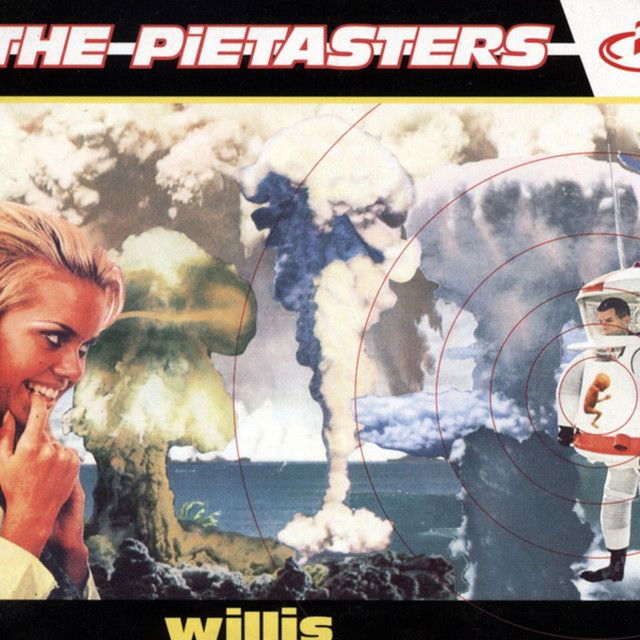
Out All Night by The Pietasters
The meaning of Out All Night The Pietasters starts with a contradiction: this is a lively, catchy ska-punk song that hides a tense relationship underneath. On the surface, the hook sounds like a simple promise to stay gone until morning. But the verses make it clear that the night out is not just fun. It is distance, defiance, and a way to avoid a relationship that feels toxic.
"Out All Night" - The Pietasters
But I never lie
I don't need to bow to you
Loading lyrics...
Unable to load lyrics
We're unable to display the lyrics at this time. Please try again later.
The Pietasters, an American ska/soul band from Washington, D.C., formed in 1990 and became known for blending ska, rocksteady, soul, and punk energy during the 1990s scene. “Out All Night” belongs to their Willis era, with the album released in 1997 and produced by Brett Gurewitz. The band also supported the song with a Washington, D.C.-shot video, and it later appeared on a Hellcat EP and in games including Street Sk8er (Wikipedia). That context matters because the band’s sound often pairs danceable momentum with bruised, sarcastic emotion.
The Real Fight Hiding Inside the Hook
At its core, the song seems to be about a relationship built on attraction and resentment at the same time. The narrator does not sound heartbroken in a soft way. They sound irritated, defensive, and unwilling to submit. Early lines like I never lie
and just passing by
suggest someone trying to protect their pride while also acting emotionally detached.
Interpretation: the song is less about honesty than about control. The speaker keeps insisting on what they will not do, what they do not need, and what they refuse to become. That pattern makes the relationship sound like a battle over power rather than love.
The repeated hook Stay out all night
is the clearest statement in the song. They are not merely leaving the house. They are choosing absence as a weapon, or at least as a shield.
Watch the official Out All Night
music video
A Narrator Full of Mixed Signals
One reason the song stays interesting is that the narrator is not fully reliable. They reject dependence, yet they remain drawn in. They criticize the other person, but they also admit the pull of appearances with as long as you look good
. That detail gives the song a raw, unflattering honesty.
Instead of presenting one victim and one villain, the lyrics show two people making each other worse. The speaker calls the other person manipulative, but also describes themselves in ugly terms. That kind of self-awareness keeps the song from sounding too simple.
The key emotional beats
- They refuse submission.
- They admit attraction still has power.
- They describe emotional pressure and threats.
- They answer that pressure by staying away.
That sequence makes the chorus feel earned. It is a reaction to emotional chaos, not a random nightlife slogan.
How the Chorus Changes the Meaning
The chorus is catchy enough to sound triumphant. But in context, it feels more uneasy than free. The repeated promise to stay gone suggests that being home means getting pulled back into conflict.
Stay out all nightI've got a rightI'm gonna stay out all night
Those short lines turn the song’s main idea into a claim of autonomy. Interpretation: the speaker is trying to convince themselves as much as anyone else. The repetition sounds bold, but it also hints at instability, like they need to keep repeating the line to make it true.
The Sharpest Lines and What They Do
Several lyrics are written in a deliberately abrasive style. They are not polished romantic thoughts. They sound bitter, impulsive, and sometimes mean. That matters because the song is trying to capture emotional ugliness in real time.
When the narrator says troubled mind
, the song briefly drops the swagger and admits inner damage. That phrase opens a deeper reading: the relationship may be toxic, but the speaker is not above it. They are already carrying confusion and anger into the fight.
The later lines about giving someone “the best” while also demanding obedience are especially revealing. Interpretation: this sounds intentionally hypocritical. The song exposes how love, ego, lust, and control can get tangled together until nobody is speaking clearly or kindly.
Why the Sound Matters So Much
Part of the meaning of Out All Night The Pietasters comes from the arrangement. The Pietasters were known for mixing horns, ska rhythm, soul phrasing, and punk attack (Wikipedia). That blend creates motion. Even when the words are bitter, the track keeps pushing forward.
This contrast is important. If the song were slow and gloomy, it would feel like a breakup confession. Because it moves with bounce and drive, it feels like someone fleeing a bad scene and turning their anger into momentum. The upbeat groove does not cancel the bitterness. It sharpens it.
Brett Gurewitz’s involvement in the Willis era also fits that sound. His production background often favors punch, clarity, and urgency, which helps a song like this land with both melodic snap and emotional edge.
A Few Strong Alternate Readings
There is more than one way to hear the song:
- Relationship escape song: the most direct reading. They are leaving a controlling partner behind for the night.
- Mutual toxicity portrait: both people are trapped in a cycle of attraction and contempt.
- Youthful rebellion song: the hook also works as a larger refusal of pressure, routine, and emotional policing.
The first reading has the strongest lyrical support, but the second may be the richest. The song does not let the narrator look noble for long.
Why the Song Still Connects
“Out All Night” lasts because it captures a feeling many songs clean up too much: wanting out of a relationship while still being pulled toward it. It is rude, messy, funny, and tense all at once.
In the end, the song is about using movement to escape emotional suffocation. The night becomes freedom, but only temporary freedom. That is why the chorus feels so alive and so restless.
Disclaimer: This article offers an interpretation of the song based on its lyrics, performance style, and available band context. Meanings can vary from listener to listener.








