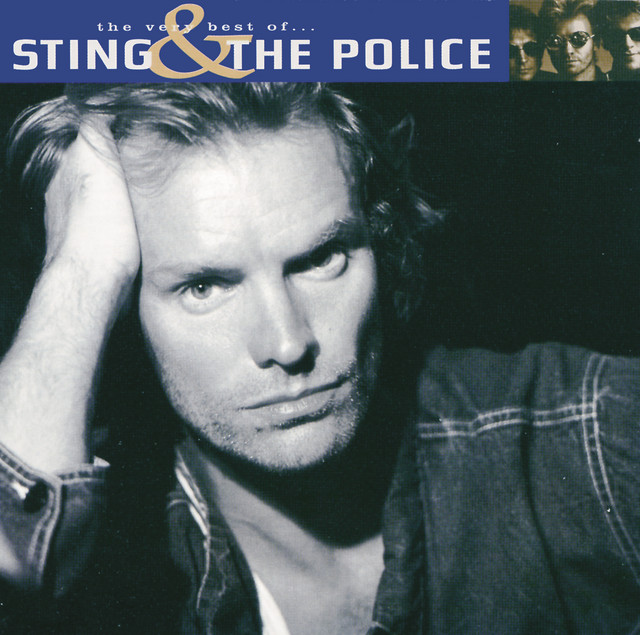
Why 'Roxanne' Still Stings
The meaning of Roxanne The Police starts with a direct plea. The singer is talking to a woman named Roxanne, urging her to stop sex work and leave behind the life symbolized by the song’s famous red light. But the track lasts because it is not a simple rescue fantasy. It mixes love, shame, desire, and control in a way that still feels tense decades later.
"Roxanne" - The Police
You don't have to put on the red light
Those days are over
Loading lyrics...
Unable to load lyrics
We're unable to display the lyrics at this time. Please try again later.
Written by Sting and released in 1978 ahead of Outlandos d'Amour, Roxanne
became The Police’s breakthrough song, later reaching No. 32 in the U.S. and No. 12 in the UK on reissue. It also entered the Grammy Hall of Fame in 2008. Those facts help explain why people still return to it, but the real hook is emotional: the song sounds compassionate and possessive at the same time.
A Love Plea Wrapped in Conflict
On the surface, the story is clear. The narrator sees Roxanne working nights and tells her she does not need to keep doing it. When he says put on the red light
, he is referring to prostitution and the public signal of that world. He repeats the phrase like an obsession, which makes the request sound less calm and more desperate.
Interpretation: The song is not only about saving someone. It is also about a man trying to rewrite someone else’s life because he cannot bear what it means for his own feelings. His appeal sounds caring, but it also carries judgment.
That tension becomes clearer when he says I loved you since I knew ya
and then follows it with I won't share you
. In plain terms, he presents his love as noble, but he also frames Roxanne as someone whose choices must change to match his needs. That is what gives the song its edge.
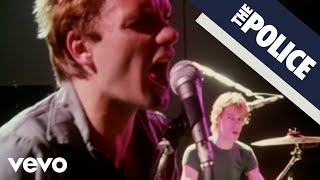
Watch the official Roxanne
music video
Who Roxanne Is — and Who She Is Not
The character was inspired by prostitutes Sting saw in Paris in 1977 while the band stayed near Montmartre. According to interviews summarized by major references, the title came from a Cyrano de Bergerac poster in the hotel foyer, where the name Roxanne suggested romance and elegance against a rough setting. That contrast matters.
Roxanne is less a detailed person than a figure caught between two worlds:
- the glamorous fantasy suggested by her name
- the harsh street reality of night work
- the private woman the narrator imagines he loves
- the public role he cannot accept
Interpretation: Because the song gives Roxanne almost no voice of her own, listeners are pushed to focus on the narrator’s emotions. That makes the track more revealing about him than about her.
The Chorus Turns Desire Into Pressure
The chorus is simple, but simplicity is the point. By repeating you don't have to
, the song sounds supportive. He seems to be offering freedom. Yet repetition also creates pressure, as if saying something enough times could make it true.
You don't have to
put on the red light
That short hook carries the whole moral struggle of the song. He wants Roxanne to hear care in his voice. Listeners may also hear impatience, jealousy, and even a need to control the outcome.
This is why the meaning of Roxanne The Police is more complex than a basic anti-prostitution message. The chorus is a plea, but it is also a demand.
Sound That Mirrors the Drama
Part of the song’s power comes from how it sounds. Sting has said he first imagined it in a bossa nova style, while Stewart Copeland helped steer it toward the final groove, often described as a reggae-rock blend with tango flavor. That hybrid rhythm gives the song a nervous sway rather than a smooth flow.
The arrangement is lean but unforgettable:
- Andy Summers’ opening guitar line feels sharp and lonely
- Sting’s high vocal sounds strained, almost pleading
- the rhythm section creates a push-pull motion that never settles
There is also the famous studio accident at the start: Sting accidentally sat on a piano, producing the odd chord and brief laughter left on the recording. It sounds human, messy, and slightly off-balance, which fits a song built on unstable feelings.
Why the Song Endures
At first, “Roxanne” did not explode in the UK, but it grew through radio play and later became the band’s signature track. Its legacy includes rankings from Rolling Stone, VH1, and the Rock and Roll Hall of Fame’s influential-song lists. It also inspired later reinterpretations, especially the tango-centered version in Moulin Rouge!, which highlighted the song’s built-in drama.
The reason it lasts is not just the hook. It is the unease. Many love songs promise certainty. “Roxanne” offers none. The singer believes he knows what is best, but the song never proves that he does. That ambiguity makes it feel modern.
A Final Reading of the Song’s Meaning
So what is the meaning of Roxanne The Police? Factually, it is a song about a man in love with a prostitute, asking her to stop. Interpretation: emotionally, it is about how love can blur into possession, and how compassion can carry judgment inside it.
The song does not resolve that contradiction. Instead, it sings right through it. That is why “Roxanne” still feels alive: it is catchy enough to sing along with, but uncomfortable enough to keep readers and listeners thinking.
Disclaimer: Song meaning is always part fact, part interpretation. This reading is based on documented background, the released recording, and the lyrics’ most widely discussed themes.








