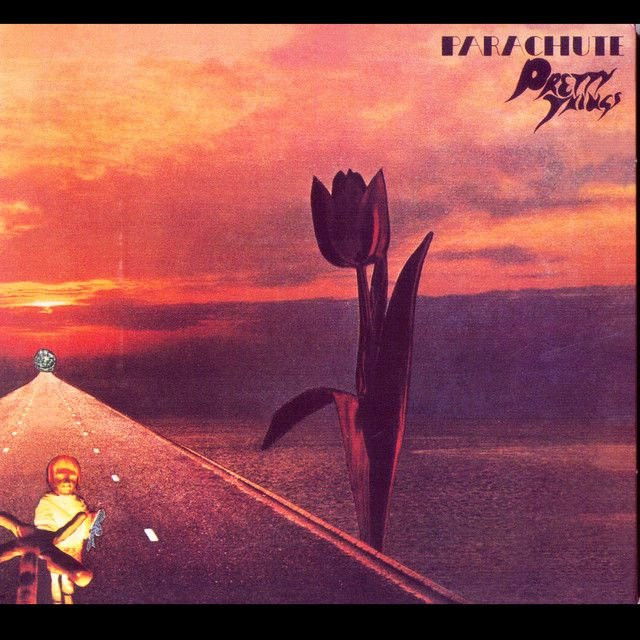
She’s a Lover by The Pretty Things
Why the meaning of She's a Lover The Pretty Things still intrigues
The meaning of She's a Lover The Pretty Things lies in how the song turns a woman into something bigger than a person. They describe her through sky, weather, fields, forest, and changing color. That makes the track feel less like a plain romance and more like a vision of nature, desire, and danger moving in one body.
"She's a Lover" - The Pretty Things
To wear as her disguise.
Then catching cosmic rays
Loading lyrics...
Unable to load lyrics
We're unable to display the lyrics at this time. Please try again later.
At its core, the song presents a feminine presence who brings comfort, beauty, and mystery, but also anger and threat. The repeated idea that she is always arriving gives her a forceful, almost inevitable quality. Interpretation: they may be singing about a lover, but they may also be singing about the earth itself, or about a wild emotional energy that cannot be controlled.
Watch the official She's a Lover
music video
A lover made from sky and land
The opening images are immediately unreal. She takes celestial objects as clothing and sees through light, with phrases like moon and stars
and cosmic rays
. Rather than grounding the woman in everyday life, the song makes her feel mythic.
That matters because the lyrics then shift from outer space to the natural world. She moves on warm breezes
, offers rest to a tired traveller
, and leaves signs in fields. The effect is to blend romance with landscape. She is not simply in nature; she seems to be made of it.
Interpretation: this is one reason many listeners hear the song as a nature allegory. The “lover” is nurturing at first, almost like spring or summer. She wipes away sorrow and gives shelter. Yet because she is tied to the environment, her moods also seem seasonal and elemental.
How the chorus changes the verses
The refrain centers everything around one claim: she's a lover
. On the surface, that sounds warm and welcoming. But each return of the line gains new meaning from the verse around it.
Early on, the phrase feels tender. Later, after images of hidden waiting, coded messages, and a dress being shed, it becomes stranger and more charged. By the final verse, when the landscape turns harsher, the same line feels almost unsettling. Calling her a lover does not make her safe; it makes her powerful.
That is one of the song’s smartest moves. A simple chorus keeps repeating while the verses darken, so the listener begins to question what kind of love is being described.
The story moves from welcome to warning
Even without a literal plot, the lyrics do follow a loose emotional path:
- She appears as a radiant, almost cosmic figure.
- She comforts and shelters the weary.
- She waits behind walls and sends signs from the land.
- She changes form, becoming more exposed and mysterious.
- She ends in anger, with violence seeping into the scene.
That last turn is crucial. The final verse replaces softness with flight and fracture. Wild geese are gone, stones are broken, and her rage comes through the earth. Interpretation: the song may suggest that what nurtures can also wound. Love, nature, and desire all carry that double edge.
Symbols that do the heavy lifting
Cosmic disguise, earthly body
The celestial opening gives her a godlike aura. She is not ordinary, and they do not present her as fully knowable. A “disguise” also hints that beauty may hide something deeper.
Clothing and seasons
Her skirt, dress, and changing appearance suggest transformation. Clothing in the song feels linked to the seasons, as if her body changes with the land. When she sheds her summer dress, the song seems to move from warmth toward decline.
Messages in fields
The image of signs left in corn suggests communication without plain speech. She does not explain herself directly. Instead, the land speaks for her. That keeps the meaning open and dreamlike.
Red anger beneath stone
The closing image is the darkest in the song. Rage moving under broken stone suggests pressure that can no longer stay buried. If the song is about nature, this sounds like the violent side of the earth. If it is about love, it hints at passion turning destructive.
How the sound likely supports the meaning
The Pretty Things are widely associated with British rock that moved from raw rhythm and blues into psychedelic experimentation, especially in the late 1960s. That broader context fits this song’s surreal writing and shifting emotional tone.
Even without diving into disputed session details, the lyrical design suggests music that would need contrast: something flowing and dreamy in the early passages, then heavier or more ominous as the final verse arrives. Psychedelic rock often uses texture, echo, and layered arrangement to make images feel unstable or hallucinatory, and this lyric clearly invites that kind of treatment.
For that reason, the song’s meaning likely depends not just on words but on atmosphere. If the arrangement feels airy at first and darker later, it would mirror the movement from comfort to menace.
The strongest readings side by side
There are at least two persuasive ways to hear the song:
- Interpretation 1: a mystical love song. She is a desired woman described in exaggerated, poetic images. The song shows fascination, surrender, and fear.
- Interpretation 2: a nature figure. She represents the land itself—beautiful, fertile, coded, seasonal, and finally destructive.
The second reading may be stronger because so much of the imagery comes from weather, fields, birds, forests, and stone. Still, the song works because it never forces a single answer.
What the song finally leaves behind
The meaning of She's a Lover The Pretty Things comes from tension. They describe love as something lovely but not tame, intimate but not fully human. The song’s woman can heal, shelter, seduce, and break open the ground.
That blend of beauty and threat is why the lyric lasts in the mind. It gives listeners a figure who feels like a lover, a season, and a force of nature all at once.
Disclaimer: This article offers interpretation based on the lyrics and known artistic context. Like many psychedelic-era songs, the track remains open to more than one valid reading.








