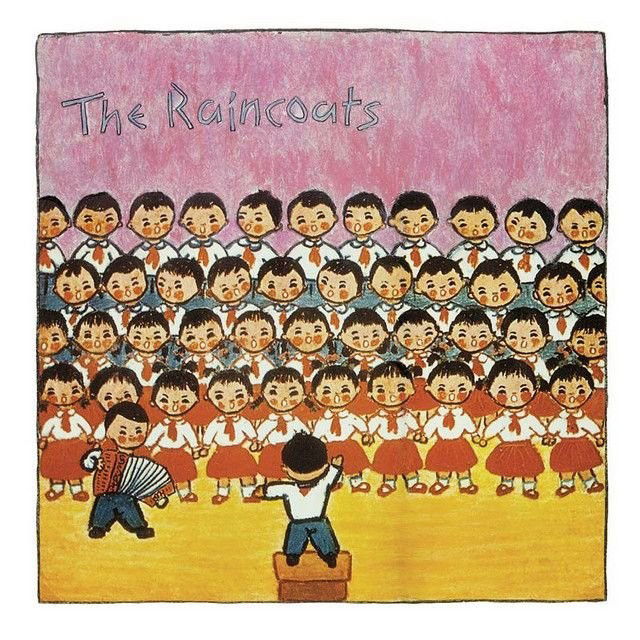
Why “Fairytale in the Supermarket” Still Feels Radical
The meaning of Fairytale in the Supermarket The Raincoats starts with a strange image: fantasy dropped into ordinary life. This is not a dreamy escape song. Instead, The Raincoats place confusion, desire, and self-definition in the most everyday setting possible. That contrast is what gives the track its lasting power.
"Fairytale in the Supermarket" - The Raincoats
Night or day
No one teaches you how to live
Loading lyrics...
Unable to load lyrics
We're unable to display the lyrics at this time. Please try again later.
Released as an early Rough Trade single by The Raincoats, the song has since been praised as a key debut statement. Rolling Stone Australia called it a wildly experimental track from "London punk women" pushing past clichés and linked it to themes of identity and resisting misogynistic traps. That description fits the song well, because it sounds playful on the surface but unsettled underneath.
A Fairy Tale With the Fluorescent Lights On
At the broadest level, the song is about how people try to build a self in a world that gives them weak instructions. The sharp line No one teaches you how to live
states that problem plainly. The song does not offer a tidy solution. It stays with the awkwardness.
That is why the title matters so much. A fairytale usually promises order: heroes, lessons, happy endings. A supermarket suggests routine, choice, packaging, and consumption. Put together, the image feels ironic. Interpretation: they seem to suggest that modern life sells ready-made stories about love, identity, and gender, but those stories do not really fit lived experience.
The repeated reassurance don’t worry
also sounds double-edged. It comforts, but it may also brush off something serious. The song keeps asking whether everyday life itself is built on half-believed myths.
Watch the official Fairytale in the Supermarket
music video
The Speaker Refuses Easy Roles
The lyrics feel like a conversation, but not a stable one. The speaker addresses another person who seems to project meaning onto them. One of the clearest examples comes when they warn, Don’t say it’s your mirror
. In plain terms, the speaker resists being turned into someone else’s reflection.
That idea runs through the whole song. The other person reads books, looks for heroes, and seems to want reassurance from familiar narratives. The speaker, by contrast, sounds skeptical about borrowed scripts. They do not want to become a symbol, a secret, or a fantasy object.
When the song says love does not fully "externalize," it hints that emotion cannot be made simple or visible on command. Interpretation: this may be a refusal of romantic performance, especially the kind that asks women to play a fixed part in somebody else’s story.
Ordinary Objects, Unstable Meanings
One reason the song is so memorable is its odd imagery. The phrase Cups of tea are a clock
turns domestic routine into a way of measuring life. Time here is not grand or cinematic. It is counted through habits, pauses, and repeated actions.
That matters in a Raincoats song because domestic images have often been used to confine women in art and culture. Here, though, the image is not passive. It is funny, rhythmic, and slightly absurd. The band takes a familiar symbol of home life and makes it strange.
The song also brings in books, photographs, mirrors, colors, and paranoia. These are all images of perception. They suggest that identity is filtered through stories, pictures, and other people’s expectations. Even memory feels unstable, as in the idea of forgetting something but never fully losing it.
Three key symbols in the lyrics
- The supermarket: everyday social space where identities are packaged and performed.
- Tea as a clock: routine as a hidden measure of emotional life.
- Mirror and picture: the danger of being misread or projected onto.
How the Sound Carries the Meaning
The Raincoats do not deliver these ideas in a polished, controlled way. That roughness is the point. According to Rolling Stone Australia, Ana da Silva’s guitar "clatters" over Vicky Aspinall’s violin, with Gina Birch on bass and Palmolive on drums. That description captures the song’s thrilling imbalance.
The arrangement sounds ragged, fast, and a little off-center. The violin adds tension instead of sweetness. The group vocals feel communal, but not soft; they chant and prod rather than serenade. This gives the song humor without taking away its bite.
In other words, the production resists the neatness of a real fairytale. The music refuses polished fantasy in the same way the lyrics refuse easy identity. Their sound makes room for doubt, wit, and friction all at once.
A Feminist Reading That Fits the Evidence
The band emerged from the late-1970s U.K. punk and post-punk scene, and their work is often discussed in feminist terms. This song supports that reading without becoming a slogan. The line I’m no secret agent
pushes back against mystery, performance, and coded expectations.
Interpretation: the speaker may be rejecting the pressure to be alluring, legible, or useful in the ways romance often demands. They have no "colors to give," meaning they will not decorate another person’s fantasy world. They remain stubbornly themselves, even if that self is still forming.
That is part of what makes the song feel radical. It does not present identity as complete. It presents it as argued over, misread, and defended.
Why the Song Still Connects
The meaning of Fairytale in the Supermarket The Raincoats lasts because the song captures a modern feeling: people are surrounded by scripts for how to live, yet still feel unprepared. Love, gender, and selfhood are presented as products with labels, but real experience stays messier than that.
The Raincoats turn that mess into art that is funny, nervous, and brave. They place the crisis of identity not in a palace or a dream, but under supermarket lights. That choice makes the song both grounded and surreal.
In the end, the track suggests that ordinary life is where myths do their quiet work—and where they can be challenged too.
Disclaimer: This interpretation is based on the lyrics, recorded performance, and available historical context. As with most art, listeners may hear different meanings in the song.







