Off The Ground by The Record Company
A comeback song with dirt on its boots
The meaning of Off the Ground The Record Company centers on recovery through honesty. The song is not about a perfect victory lap. Instead, it sounds like a person catching their breath, facing hard facts, and deciding to move anyway.
"Off The Ground" - The Record Company
Off the side of the road
I gotta get myself up off the side of the road
Loading lyrics...
Unable to load lyrics
We're unable to display the lyrics at this time. Please try again later.
That choice matters. The speaker is stalled, worn out, and emotionally drained, but they refuse to stay there. The repeated push to get moving turns the song into an anthem of self-rescue rather than self-pity.
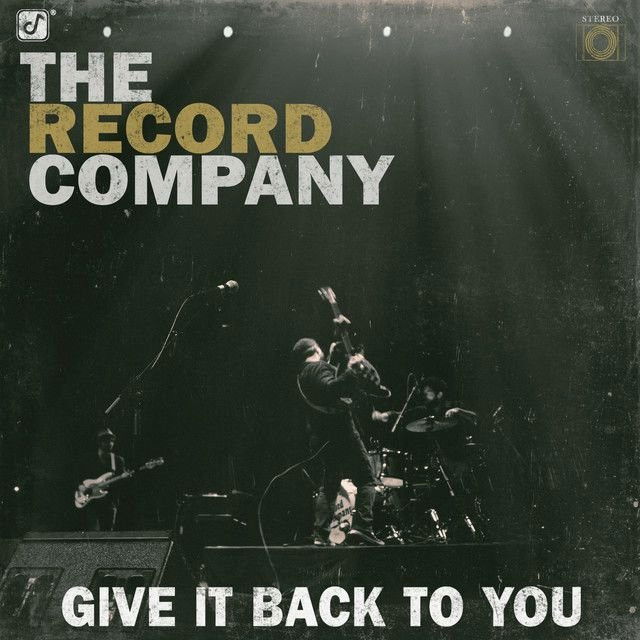
The band’s background helps explain why this feels so direct. The Record Company are a Los Angeles blues-rock trio, and their breakthrough album Give It Back to You was recorded in the same living-room setting where the group first built its sound. That rough-edged, live feel fits a song about getting back on their feet.

Watch the official Off The Ground
music video
The central idea: stop hiding, start moving
At the heart of the song is a plain admission: the speaker has been stuck and has also been fooling themselves. When they say off the side of the road
, the image suggests more than a physical place. It feels like a life paused in defeat, far from the main path.
Then the lyric shifts from location to truth. The line quit lying to myself
is the song’s turning point. Before progress can happen, the speaker has to name the problem honestly.
That is why let the truth be told
lands so hard. It is not just a catchy refrain. It is the rule the song sets for survival. Interpretation: the track suggests that healing begins with self-honesty, even before any outside help appears.
How the verses build a story of renewal
The song unfolds like a simple but strong arc:
- They recognize they are stuck.
- They admit self-deception.
- They decide to move.
- They go searching for a new life.
That storytelling is one reason the song connects so easily. Early on, the speaker says they know where to begin even if they do not know the ending. That gives the song its grounded wisdom. They are not promised success; they are promised a first step.
Later, the image of waking up burned out by the sun adds physical weight. Exhaustion is not abstract here. The body feels it. Yet the answer is still motion.
my head is heavy
my heart is empty
but their spirit stays strong
and their legs are ready
This is the one place where the song says everything plainly: pain, emptiness, and endurance exist at the same time. The body is tired, the emotions are low, but some deeper will remains active.
The chorus turns struggle into action
When the hook says pick myself up
, it gives the whole song its emotional release. This is not fancy writing, and that is exactly why it works. The phrase sounds like a promise shouted in real time.
The many “woo-hoo” chants matter too. On paper, they may look loose or playful. In context, they act like a burst of energy after heavy self-examination. They are the sound of someone forcing air back into their lungs.
Interpretation: the chorus does not erase the sadness in the verses. It transforms that sadness into momentum. The song keeps returning to the same command because recovery is rarely one clean moment. It usually takes repetition.
Home, tears, and direction
One of the strongest images comes when the speaker says they need a brand-new home. That can mean a literal place, but it also points to a new inner life. They have learned, as the lyric suggests, that losing their old position helped them find direction.
This is classic blues-rock writing: simple words carrying emotional depth. “Home” becomes stability, belonging, and self-respect all at once.
The section about hidden tears adds another layer. The speaker is hurting, but they refuse to collapse in public. That does not mean they feel nothing. It means they are trying to control pain before pain controls them.
There is a tension here. On one hand, bottling up emotion can be risky. On the other, the song frames restraint as part of survival. Interpretation: they are not denying grief forever; they are trying to keep moving long enough to rebuild.
Why the sound makes the meaning hit harder
The Record Company built their reputation on lean, riff-driven blues rock, and that style is essential to this song’s message. According to band history, “Off the Ground” reached No. 1 on Billboard’s Adult Alternative chart, a sign that its stripped-down approach connected well beyond blues fans.
Musically, the track pushes forward with stomping drums, a gritty guitar groove, and vocals that sound urgent rather than polished. Nothing feels overly decorated. That matters because the lyric is about cutting through excuses. The production mirrors that honesty.
The band’s trio format also helps. With fewer layers, each instrument feels physical and immediate. The drums sound like footsteps. The guitar riff feels like effort. The vocal sounds half-confession, half-command. Together, they make the song feel lived in.
A few strong ways to read the song
The most convincing reading is personal recovery. The speaker seems to be climbing out of burnout, shame, or emotional paralysis.
A second reading is broader. The song can also work as a working-person anthem about getting unstuck after failure. Because the language is open, listeners can map their own struggles onto it: addiction, heartbreak, career collapse, or plain exhaustion.
That openness likely explains the song’s wide appeal. It is specific enough to feel real, but broad enough to travel.
Why it still resonates
“Off the Ground” endures because it understands that change often starts small. Not with triumph, but with admission. Not with certainty, but with movement.
The meaning of Off the Ground The Record Company is ultimately about choosing truth over denial and motion over stagnation. It turns a hard private moment into a loud, communal release.
Disclaimer: This interpretation is based on the lyrics, recorded performance, and available band context. As with any song, listeners may hear meanings that differ from this reading.









