Why the Stones Revived a Hard-Luck Blues
The meaning of Ride 'Em On Down The Rolling Stones starts with a simple fact: this is not a Jagger-Richards original. It is a version of an Eddie Taylor blues song, and that matters because the band has always been tied to American blues. Their whole story began with covers and Chicago-style rhythm and blues, a foundation noted in their early history on Wikipedia.
"Ride 'Em On Down" - The Rolling Stones
I'm a dealin' man, still dealing, yeah
I'll go keep on dealing till I find myself a bed
Loading lyrics...
Unable to load lyrics
We're unable to display the lyrics at this time. Please try again later.
When they revisit this song, they are not trying to modernize its message into something fancy. They keep its rough spirit. The result is a performance about exhaustion, distrust, and the moment a person decides to leave a bad cycle behind.
A Blues Exit, Not a Big Speech
At its core, the song is about a narrator who feels worn down by hustling, surviving, and dealing with people who cannot be trusted. The hook, ride 'em on down
, sounds like a decision to move on. In plain terms, they frame escape as the only honest answer left.
That escape is not heroic in a movie sense. It feels tired, practical, and a little bitter. The singer is not announcing a new life plan. He is saying he has had enough.
Interpretation: In blues language, “dealing” can suggest gambling, hustling, bargaining, or just grinding through unstable life. So when the narrator says he has to stop, the song points to burnout more than triumph.

Watch the official Ride 'Em On Down
music video
The Voice Inside the Song
The lyric uses a first-person voice, and that makes the song feel close and immediate. The narrator sounds like someone taking stock of his own mess in real time. He is not telling a polished story. He is speaking in fragments.
Short lines like I'm a dealin' man
and find myself a bed
paint a life with no real rest. He keeps moving, keeps working angles, and keeps searching for basic shelter. That small detail about a bed is important because it brings the song down to earth. This is not about abstract freedom; it is about survival.
There is also a sharp line of suspicion in the verse about someone trying to take what is his. The lyric hints at a world where trust is weak and every arrangement can turn bad fast.
How the Verses Build a Restless Character
The song does not unfold like a neat plot. Instead, it stacks details that make the narrator feel unstable, cornered, and wary.
A life split between places
When the song mentions being raised in the country
and then in town, it suggests divided identity. He belongs everywhere and nowhere. That is a classic blues setup: a person shaped by movement, not comfort.
Family without comfort
The reference to children should sound grounding, but it does not bring peace. Instead, it adds pressure and irony. Even family life in this song feels uncertain rather than secure.
The turning point
The repeated return to quitting “dealing” is the emotional center. Each verse circles the same choice until it feels final.
I got to stop dealing
I believe I'll ride 'em on down
Those lines act like a private vow. The phrasing is plain, but the repetition gives it weight.
What “Ride 'Em On Down” Likely Means
The title phrase is open enough to hold more than one reading, which is part of the song's appeal.
Interpretation 1: It can mean leaving town or moving on physically. In that sense, the narrator is done with the table, the room, or the people around him.
Interpretation 2: It can also mean pushing trouble away by force of will, as if he will ride out the chaos until it loses control over him.
Both readings fit the blues tradition. Either way, motion becomes the answer. Stillness is not available to this character.
Why the Stones Were a Good Fit for It
The Rolling Stones have spent decades drawing from blues forms, and that history makes their version feel natural rather than borrowed. Their early identity was built on covers of Black American artists, especially Chicago blues performers, before they became known mainly for original hits. That background helps explain why a song like this still fits them late in their career.
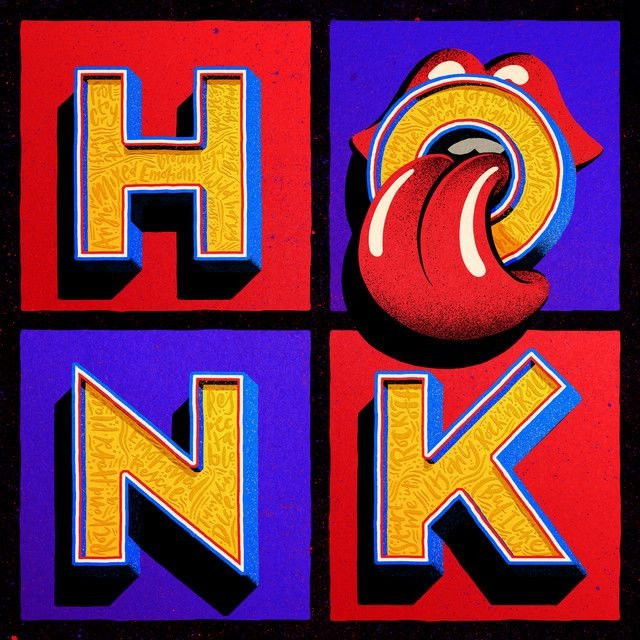
Their cover also appeared on Blue & Lonesome in 2016, an album of blues covers produced by Don Was and The Glimmer Twins, documented on the album's official page. That project was less about reinvention than return. They were going back to the music that shaped them.
Sound as Meaning: Grit, Groove, and Pressure
Musically, the track carries meaning through restraint. The band does not overload the arrangement. Instead, they lean on a hard blues groove, sharp guitar attack, and a feeling of constant forward push.
The guitars sound clipped and tense, which suits a lyric about a person who cannot settle. The rhythm section gives the song traction, almost like wheels on rough ground. That helps the central phrase feel physical, not poetic.
Jagger's vocal delivery matters too. He does not sing this like a reflective ballad. He pushes the words with urgency and edge, making the narrator sound irritated, alert, and nearly out of patience.
The Deeper Theme Beneath the Story
The deeper emotional pull in the meaning of Ride 'Em On Down The Rolling Stones is about limits. The narrator has reached his. He has played the game, stayed on the move, dealt with threats, and now wants out.
That is why the song feels bigger than its few lines. It speaks to a common blues idea: life can trap people in habits they no longer believe in. The act of leaving may not solve everything, but saying “enough” is still powerful.
Final Take
This song works because it does not overexplain itself. It gives a few rough images, a stubborn refrain, and a mood of hard-earned departure. The Stones honor that bluntness.
In the end, the song is less about where the narrator is going than why he must go at all. Interpretation: that unresolved ending is the point. Blues songs often live in the moment of decision, not the comfort that comes after.
Disclaimer: This interpretation is based on the lyrics, the blues tradition behind the song, and documented artist context. Meaning can remain open to listeners.








