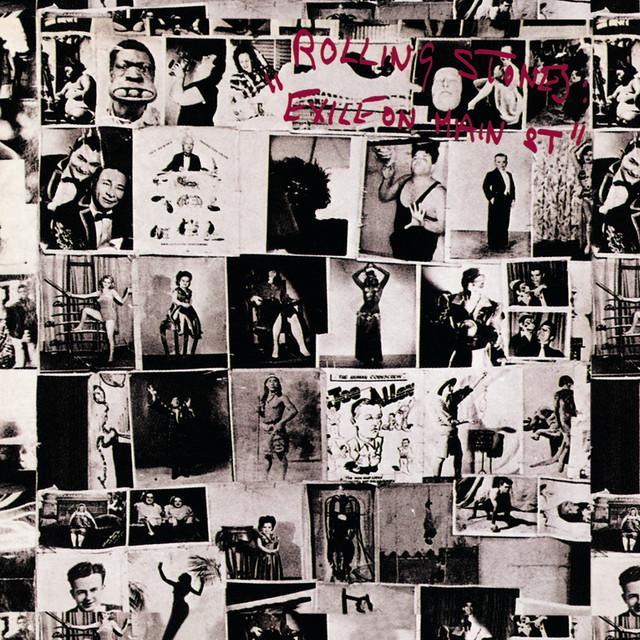
Tumbling Dice by The Rolling Stones
Why This Song Still Rolls
The meaning of Tumbling Dice The Rolling Stones starts with motion. The song is about a man who cannot settle down, cannot commit, and almost seems proud of it. He compares himself to dice in motion: unpredictable, hard to hold, and always one throw away from a new outcome.
"Tumbling Dice" - The Rolling Stones
Women think I'm tasty, but they're always tryin' to waste me
Make me burn the candle right down
Loading lyrics...
Unable to load lyrics
We're unable to display the lyrics at this time. Please try again later.
That idea gives the song its charm and its warning. On the surface, it sounds loose, funny, and full of swagger. Underneath, it paints a person trapped in his own habits. He keeps moving because stopping would mean facing who he is.

Watch the official Tumbling Dice
music video
A Narrator Who Lives by Chance
The speaker presents himself as someone who treats love like gambling. He talks about women, luck, money, and risk as if they belong to the same world. When he says tumbling dice
, he is not just using a cool image. He is defining himself as a person ruled by momentum rather than loyalty or stability.
That self-portrait grows clearer in lines about being in a rush and living with no real balance. The phrase sixes and sevens and nines
suggests disorder and bad odds. Instead of sounding ashamed, he turns that chaos into style. Interpretation: this is part confession and part performance. They hear a man admitting weakness while also hiding inside bravado.
The Core Meaning Behind the Chorus
The chorus turns the whole song into one big metaphor. When he asks to be rolled and named after the dice, he is telling the listener that he expects to be used by fate, by romance, and by his own impulses. He does not promise change. He almost asks others to accept his instability.
That is why the hook feels so memorable. It is catchy, but it also reveals the emotional center of the song: he is unreliable because unreliability has become his identity. The words suggest freedom, but they also suggest surrender.
Baby, I can't stay
You got to roll me
In plain terms, he is saying he will not remain in one place or one relationship. The song makes that message sound thrilling, yet a little sad.
Gambling, Romance, and Self-Myth
A lot of the song's imagery comes from betting language. He calls himself a lone crap shooter
and a partner in crime
. Those phrases make romance sound like a risky game where no one is fully honest and everyone is chasing a short-term win.
This matters because the song does not describe deep love. It describes appetite, movement, and temptation. The women in the lyric are framed as gamblers too, which creates a world where attraction is competitive and unstable. Rather than one villain and one victim, the song imagines a messy circle of mutual risk.
Interpretation: some listeners hear this as a portrait of rock-star excess, where touring, sex, and nightlife blur together. Others hear a broader human truth: some people turn every relationship into a test of luck because commitment feels more dangerous than chance.
How the Sound Strengthens the Meaning
The track's groove is a huge reason the meaning lands so well. Recorded during the era of Exile on Main St., the song carries the band's famous mix of looseness and control. According to the album history, the sessions for that record were famously messy, and that atmosphere fits this song's restless spirit.
Musically, “Tumbling Dice” feels lived-in rather than polished. The drums and piano give it a rolling push, while the guitars sound relaxed but locked together. Mick Jagger sings with a half-grin in his voice, which keeps the narrator from sounding tragic. He sounds experienced, slippery, and hard to pin down.
One especially important touch is the backing vocals. They add warmth and lift, almost like a crowd joining the game. That sweetness softens the cynicism of the lyric. Instead of a dark confession, the song becomes a communal groove about bad habits everyone recognizes.
Artist Context Matters Here
The Rolling Stones built much of their classic image around danger, pleasure, and anti-hero charm. “Tumbling Dice,” written by Mick Jagger and Keith Richards, fits that image perfectly. It was released in 1972 on Exile on Main St., one of their most praised albums, and Rolling Stone's review archive reflects how central that album became to their legend.
That context shapes how people hear the song. If another band recorded it, it might sound like a simple character sketch. From the Stones, it feels tied to their public mythology: men always in motion, half in control and half surrendered to the ride.
Still, it helps not to confuse image with fact. The song works best as a crafted persona. The narrator may resemble the band's reputation, but he is also a dramatic figure designed for the song's world.
Why the Song Endures
The meaning of Tumbling Dice The Rolling Stones lasts because it captures a common contradiction. People often admire freedom until they see the loneliness inside it. This song lives in that tension. It celebrates movement, but it also shows the cost of never standing still.
The best Stones songs often do this: they make trouble sound fun without hiding the damage. “Tumbling Dice” swings, smiles, and seduces, yet it quietly admits that constant escape can become a prison.
Final Take
At its heart, “Tumbling Dice” is about a man who turns instability into identity. Through gambling images, flirtation, and a rolling groove, the song presents chance as both lifestyle and trap.
That mix of pleasure and unease is why it still connects. Interpretation disclaimer: this reading is based on the lyrics, musical choices, and public context, but song meaning can remain open to different listeners.








