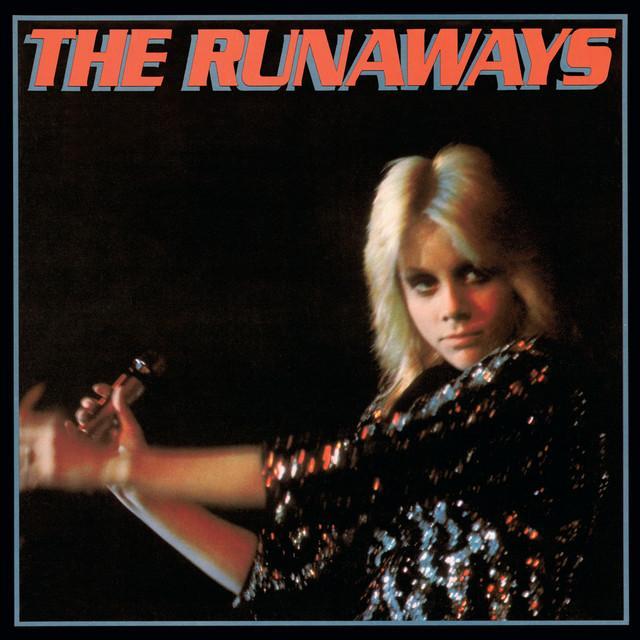
Cherry Bomb by The Runaways
The meaning of Cherry Bomb The Runaways comes down to a simple but powerful idea: they turned teenage frustration into a swaggering anthem. The song is not subtle, and that is the point. It introduces a young woman who refuses to stay quiet, act polite, or fit the role adults expect.
"Cherry Bomb" - The Runaways
Old folks say, "You poor little fool"
Down the streets I'm the girl next door
Loading lyrics...
Unable to load lyrics
We're unable to display the lyrics at this time. Please try again later.
Released in 1976 as The Runaways’ debut single, the track was written by Joan Jett and Kim Fowley, and it helped define the band’s image as loud, confrontational young rock stars. Factually, The Runaways were a teenage all-girl rock band formed in Los Angeles, with Fowley involved in their creation and early direction. That background matters because the song sounds like a challenge to both the music industry and social rules around girlhood.
The Heart of the Song: Rebellion as Identity
At its core, the song is about turning outsider status into power. The opening paints a girl who cannot settle into home life or school. When the lyric says can't stay at home
, it signals more than boredom. It suggests a deeper mismatch between the narrator and the world built for her.
The next lines sharpen that tension. Adults dismiss her as a problem, but she answers by remaking herself as a spectacle. When they sing girl next door
, they are playing with a familiar image of innocence, then flipping it. She is not the safe, predictable version of that stereotype. She is the one who shocks the neighborhood.
Interpretation: the song frames rebellion not as confusion, but as performance. The narrator builds a new identity out of attitude, noise, and danger.

Watch the official Cherry Bomb
music video
Why the Chorus Hits So Hard
The chorus is the song’s mission statement. The phrase hello, daddy, hello, mom
sounds almost playful at first, like a child addressing parents. But in context, it is a taunt. She is not asking for permission. She is announcing that she has already become someone bigger, louder, and less controllable than they wanted.
That is why the title phrase matters so much. Calling herself ch-ch-ch-cherry bomb
turns her into a symbol of explosive energy. A cherry bomb is small, but it makes a lot of noise. That image fits the band itself: young, dismissed by many, yet impossible to ignore.
Interpretation: the chorus works because it transforms teenage chaos into pride. Instead of apologizing for being too much, the singer markets being too much as her whole identity.
A Story of Desire, Street Energy, and Risk
The verses move through nightlife, attraction, and restless urban motion. The song talks directly to boys, girls, parents, and the whole world. That wide address makes the narrator feel like a performer stepping onto a stage and claiming every eye in the room.
When the lyric says you've got nothin' to lose
, the song widens from one character to a whole generation. It speaks to teenage listeners who feel boxed in, disappointed, or unseen. The message is not carefully reasoned. It is emotional and immediate: if the rules do not help them, why obey them?
There is also a sexual charge in the song, and that should be named clearly. The lyrics use flirtation and provocation to grab attention. Still, the deeper effect is not romance. It is control. She becomes the one who chooses, calls out, and sets the terms.
Sound First, Meaning Second—But Both Matter
The production is crucial to the meaning. The track runs on hard guitar riffs, a pounding beat, and a chant-like chorus that feels built for shouting back. That simplicity helps the song hit fast. It does not invite careful reflection before the hook lands; it barrels forward.
Joan Jett’s rhythm guitar style and Cherie Currie’s vocal delivery are especially important. Currie sounds half-sneer, half-cheerleader, which gives the song its mix of glamour and threat. The band’s rough-edged attack keeps the song from sounding polished or safe. That rawness supports the theme: this is music that refuses to sit still.
How the arrangement reinforces the message
- The distorted guitars make rebellion feel physical.
- The stomping rhythm turns the song into a group chant.
- The repetitive hook makes identity sound like a slogan.
- The shouted energy gives the track a gang-like confidence.
Artist Context Changes the Reading
The Runaways were young women entering a rock scene dominated by men. That fact alone gives the song extra force. Plenty of male rock songs had boasted about freedom, sex, and attitude before 1976. What made this one stand out was hearing teenage girls claim that same space so directly.
That does not mean every part of the song should be read as pure empowerment. Kim Fowley’s role in shaping the band means there is also tension between self-expression and image-making. Interpretation: one reading sees the song as a genuine feminist burst of confidence. Another sees it as rebellion packaged for shock. Both ideas can be true at once, and that tension is part of why the song still sparks conversation.
Why “Cherry Bomb” Still Lasts
The meaning of Cherry Bomb The Runaways endures because the song captures a feeling many listeners recognize: being underestimated, then turning that underestimation into fuel. It is messy, theatrical, and intentionally provocative. But it is also memorable because it understands that youth culture often begins with noise.
In the end, the song is less about a detailed story than a public transformation. A girl judged by adults steps forward and brands herself as dangerous, stylish, and free. That is the real explosion at the center of the track.
Disclaimer: This interpretation separates documented facts from critical reading. Meanings can vary by listener, and songs often carry more than one valid interpretation.








