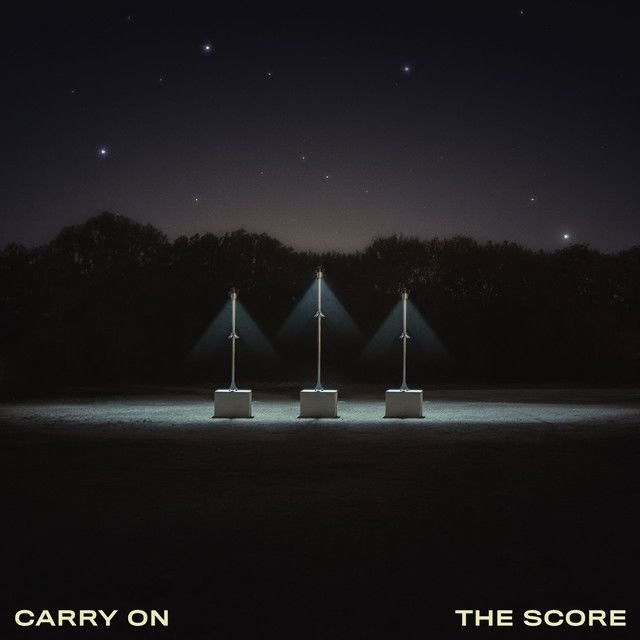
Carry On by The Score, AWOLNATION
The meaning of Carry On The Score, AWOLNATION comes through fast: this is a song about surviving pressure without pretending the pressure is small. Rather than offering soft comfort, they frame resilience as something messy, loud, and stubborn. The speaker feels bruised by the world, judged by other people, and pushed toward silence, yet they still choose motion over defeat.
"Carry On" - The Score, AWOLNATION
Leave your sticks and stones
Broken bones, I'm left for dead
Loading lyrics...
Unable to load lyrics
We're unable to display the lyrics at this time. Please try again later.
A survival anthem, not a victory lap
At the song’s center is a simple message: keep going when life gets hostile. Early lines paint inner pain and outside attack in the same breath. The speaker invites listeners into a troubled mind, then describes damage in blunt physical terms. That matters because the song does not talk about struggle as an abstract idea. It feels close, bodily, and immediate.
When the hook lands on I carry on
, it is not bragging. It sounds more like a promise repeated under stress. In that way, the chorus works as self-talk. They are not saying everything is fixed. They are saying they refuse to stop.

Watch the official Carry On
music video
The verses turn pressure into a lived experience
One of the song’s strongest moves is how it mixes personal and social conflict. The world is described as harsh and competitive, a place where people seem ready to bury someone’s confidence. The phrase wild wild world
makes that environment feel chaotic, even predatory.
The song also focuses on not belonging. When the lyric mentions not fitting the mold, it points to social pressure, image standards, and the feeling of being judged from all sides. This makes the track bigger than one bad day. It becomes a song for anyone who has been told they are too different, too damaged, or not enough.
Who is speaking here?
Factually, the lyrics use first-person language, but the emotional effect is communal. Even though the speaker says my head
and my chest
, the song is built so listeners can step into that voice. That is why it feels anthemic instead of private.
Interpretation: they present a single speaker, but the song is really aimed at a group of listeners who know what pressure feels like.
The chorus answers every threat the same way
The song sets up a pattern: a threat appears, then the refrain answers it. Coldness, rejection, social noise, and emotional exhaustion all lead back to the same statement of persistence. This repetition is the whole point. It shows resilience as routine.
A short multi-line section captures that structure:
When it's cold
in this wild wild world
I carry on
Paraphrased, the song says that hostile conditions do not disappear, but endurance can still become a habit. That is why the chorus feels motivating. It reduces a complicated emotional crisis to one necessary action: continue.
Images of silence, sirens, and the road
The meaning of Carry On The Score, AWOLNATION also depends on its imagery. Several recurring ideas deepen the song without overcomplicating it:
sound of silence
suggests isolation, numbness, or inner emptiness.- Sirens and flashes of red suggest panic, danger, or overload.
- The image of a
long, dark, winding road
turns struggle into a journey with no quick shortcut. - The grave image suggests critics who want the speaker finished before they are done fighting.
These are familiar symbols, but they work because the song uses them clearly. Nothing is hidden behind dense poetry. Listeners understand the emotional stakes almost immediately.
How the sound supports the message
The Score are known for high-energy, motivational pop-rock, while AWOLNATION often leans into tense, explosive alt-rock textures through Aaron Bruno’s writing and vocal style. Based on the songwriting credit provided, Bruno’s presence helps explain why this track feels grittier and more unstable than a standard pep anthem.
The production style implied by the lyric structure is built for lift. The repeated hook, short punchy phrases, and chant-like ending all suggest a track that grows through rhythm and force. Instead of sounding calm and healed, the song likely aims for momentum. That matters because resilience here is not peaceful. It is active.
Interpretation: the sound probably mirrors the lyric tension by balancing drive and strain, making the act of carrying on feel earned rather than easy.
Why the song connects so easily
The song leaves space for many listeners to see themselves in it. Some may hear it as a mental health song. Others may hear a response to bullying, failure, burnout, or public criticism. Because the writing stays broad, each listener can map their own fight onto it.
That broadness is a strength, not a weakness. In discussions of meaning, context matters because songs often work through shared emotional signs rather than fixed definitions, a point that matches basic ideas about meaning and interpretation in language and culture (Wikipedia). Here, the repeated action matters more than a detailed plot.
Final takeaway: resilience with bruises still counts
In the end, the meaning of Carry On The Score, AWOLNATION is about persistence under attack. The song does not pretend the speaker is fearless. It shows fear, noise, exclusion, and exhaustion, then answers all of it with motion.
That is why the track lands as an anthem. It says carrying on is not glamorous. It is simply what they do next.
Disclaimer: This interpretation is based on the lyrics provided and general artistic context. Song meaning can remain open, and different listeners may hear something different in the same lines.








