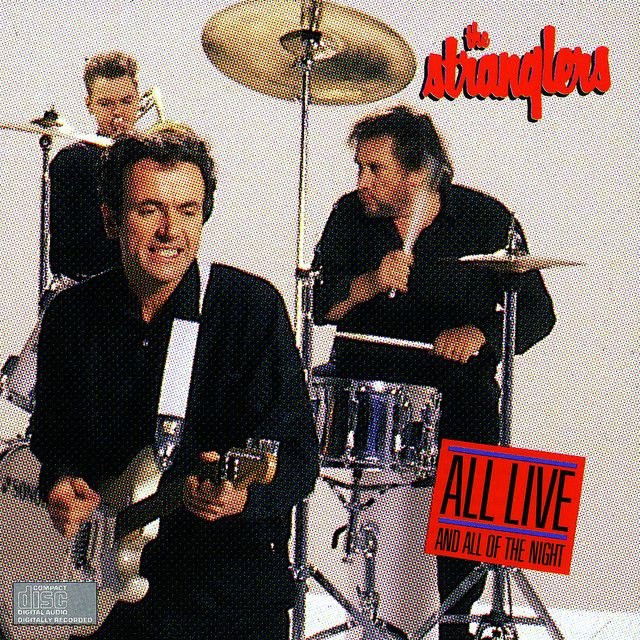
Always the Sun by The Stranglers
Why This Bright Song Feels So Uneasy
The meaning of Always the Sun The Stranglers starts with a smart contradiction. On the surface, the chorus sounds warm and comforting. Underneath, the verses are full of unfairness, weak leadership, and everyday frustration. That tension is the point.
"Always the Sun" - The Stranglers
How many times have you seen the papers apportion the blame?
Who gets to say?
Loading lyrics...
Unable to load lyrics
We're unable to display the lyrics at this time. Please try again later.
Released in 1986, the song came from a band known for mixing sharp writing with catchy hooks. The Stranglers had already moved beyond their early punk label by the mid-1980s, blending rock, pop, and new wave textures into a smoother sound while keeping their bite. In this song, they built a melody that feels open and easy, then filled it with questions about power and inequality.

Watch the official Always the Sun
music video
The Core Meaning Hides in the Questions
At its heart, the song is about social imbalance and the way people are taught to accept it. The verses keep asking who gets blamed, who gets rewarded, and who gets control. Those questions matter more than any single answer.
When the singer asks who gets to work and who gets to play, the song points to a world where fairness is promised but rarely delivered. A line about being taught that everybody should get the same suggests that childhood ideals crash into adult reality.
Interpretation: They are not just complaining about bad luck. They are exposing systems that seem random on the surface but often benefit the same kinds of people.
A Chorus About Hope, Escape, or Irony?
Then comes the refrain: there's always the sun
. That line can sound positive at first, like a reminder that something good remains. But because the verses are so skeptical, the chorus may also be ironic.
Interpretation: The hook can be heard in two ways:
- as a small source of hope when politics and money fail people
- as a bitter joke, where sunshine is the only comfort left
That double meaning gives the song its staying power. It never fully settles into optimism or despair. Instead, it shows how people often survive by holding onto simple pleasures, even when larger systems feel broken.
How the Verses Build a World of Frustration
The first verse uses weather, newspapers, and school lessons to show how public life shapes private belief. The image of praying for rain suggests a need for relief, while the reference to papers that apportion the blame
hints at media narratives that simplify complex problems.
The second verse gets more pointed. It talks about money, betting, and authority, then drops one of the song's clearest images of force: a man with a gun
. That phrase shrinks power down to its bluntest form. In this world, fun and freedom do not seem to belong to everyone equally.
Later, the song mocks half-measures from leaders. The idea that politicians do things by half
suggests weak action dressed up as responsibility. The song's voice is not shocked by this. It sounds tired, observant, and a little sarcastic.
One Small Lyric Moment That Says a Lot
The song's worldview is summed up well in this short passage:
Who gets to say?
Who gets to work and who gets to play?
Those lines turn the song away from personal heartbreak and toward public life. They ask who makes the rules, who benefits from them, and who has to live with the consequences.
Sound Matters: Why It Feels Lighter Than It Reads
One reason the song works so well is that the music does not hammer the message too hard. The arrangement is sleek, melodic, and accessible. The keyboards add brightness, the rhythm feels steady, and the chorus opens up instead of collapsing into anger.
That contrast matters. If the band had played the song in a harsher style, the meaning would be obvious but less interesting. By wrapping criticism in a polished pop-rock sound, they made the song more unsettling. Listeners can sing along before they fully notice how cynical the verses are.
This was a strength of The Stranglers in their later period: they could make sophisticated, uneasy songs sound radio-friendly. The result is a track that feels inviting even as it questions the world around it.
Artist Context Helps Explain the Tone
The Stranglers were never a simple protest band. Their writing often mixed sarcasm, intelligence, and emotional distance. That helps explain why this song avoids direct slogans. Instead of telling listeners what to think, it keeps pressing on contradictions.
Factual details about the song's credits are straightforward: it is credited to David Greenfield, Hugh Cornwell, Jean-Jacques Burnel, and Jet Black, reflecting the band's collaborative identity at the time. In that sense, the song also fits their broader catalog, where dark humor often sat next to memorable melodies.
The Best Way to Read the Ending
Because the chorus repeats so often, it starts to feel less like an answer and more like a coping mechanism. After all the questions about blame, labor, money, and leadership, the song does not offer justice. It offers sunlight.
Interpretation: That is either beautiful or depressing, and probably both. The song suggests that when people cannot control institutions, they turn toward whatever remains simple, natural, and beyond politics.
Final Take on the Song's Message
So what is the meaning of Always the Sun The Stranglers? It is a song about unfair systems, false promises, and the thin comforts people use to get through them. Its genius lies in pairing social criticism with a chorus that feels bright enough to believe, at least for a moment.
That tension is why the song still connects. It understands that hope is sometimes sincere, sometimes ironic, and often both at once.
Disclaimer: This interpretation is based on the song's lyrics, sound, and public context. As with many great songs, listeners may hear different meanings in it.







