Why “Fit but You Know It” Still Bites
The meaning of Fit but You Know It The Streets starts with a joke, but it does not end there. On the surface, the song is a boozy, funny story about a man spotting an attractive woman on vacation and talking himself into and out of making a move. Under that surface, though, Mike Skinner turns the scene into a study of ego, insecurity, class-conscious detail, and the way desire can quickly become self-protection.
"Fit but You Know It" - The Streets
I know it's a bit embarrassing
But I just noticed some tan lines on your shirt
Loading lyrics...
Unable to load lyrics
We're unable to display the lyrics at this time. Please try again later.
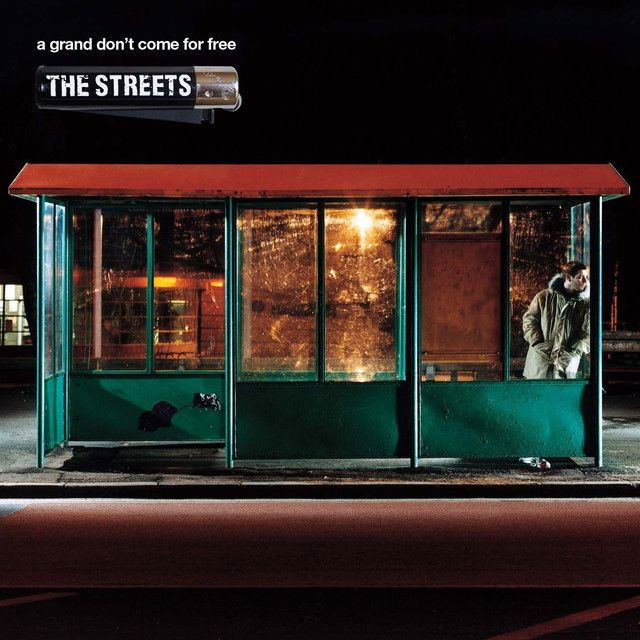
Released in 2004 on A Grand Don’t Come for Free, the track fits The Streets’ style: spoken-sung delivery, sharp observation, and humor that reveals weakness as much as confidence. That matters because the song is not simply mocking a woman for being attractive and aware of it. It is also exposing the narrator’s own fragile pride.
The Real Joke Is on the Narrator
At first, the setup seems simple. He sees someone he finds attractive and starts rating, judging, and narrating everything about her. He calls her really fit
, but he is instantly bothered by what he thinks is her confidence. His complaint, summed up in the hook you know it
, sounds like criticism. Yet the song keeps showing that his annoyance says more about him than about her.
That is the key to the meaning of Fit but You Know It The Streets. The narrator wants control in a moment where he feels powerless. He notices clothes, fake tan, body language, even the food line around him. Those details are funny, but they also show him scrambling to manage his own nerves.

Watch the official Fit but You Know It
music video
A Night Out Told in Small, Awkward Beats
Skinner writes the scene almost like a short film. The action moves in little turns:
- He spots her while waiting for food.
- He imagines flirting successfully.
- He acts as if he is above trying too hard.
- He misreads the moment.
- She walks past him and chooses someone else.
- He pretends not to care.
That last step is crucial. After building the whole song around wanting her attention, he suddenly falls back on excuses, including the claim I've got a girlfriend anyway
. In plain terms, he tries to save face after rejection. The comedy lands because the listener can hear the defense mechanism working in real time.
What the Chorus Means
The repeated idea I'm not trying to pull you
is obviously not true. He is trying, or at least thinking hard about trying. The chorus works because it captures a common kind of social performance: acting casual when they desperately want to be noticed.
I'm not trying to pull you
Even though I would like to
This is the only moment where the song drops the act for a second. He admits the contradiction. He wants connection, but he also wants to avoid the risk of looking foolish. The whole track lives inside that tension.
Attraction, Pride, and Class Detail
One reason the song feels vivid is its ordinary setting. There is no glamorous nightclub fantasy here. There is a queue, cheap food, drinks, a crowded holiday atmosphere, and money worries hinted at through everyday details. Skinner was known for writing about regular British life, and The Streets stood out because of that plainspoken realism.
Those details sharpen the song’s meaning. The narrator is not just dealing with attraction. He is managing status. He is wondering how he looks, how much money he has, whether he can sound smooth, and whether others are watching. Even his comments about another man in a white shirt show that he sees flirting as a competition.
Interpretation: the woman becomes, in his mind, part person and part symbol. She stands for the kind of easy confidence he wishes he had. That is why her seeming self-assurance bothers him so much.
How the Sound Carries the Meaning
The production helps sell both the humor and the discomfort. The beat is light, bouncy, and repetitive, with a casual groove that feels like walking through town half-drunk and overthinking everything. Skinner’s delivery is closer to speech than traditional singing, which makes the track sound like a live inner monologue.
That matters because the song’s power comes from timing. He interrupts himself, rambles, gets distracted, and sounds slightly messy. The flow mirrors intoxication and embarrassment. Instead of a polished romantic anthem, listeners get a head full of excuses.
The hook is also deceptively simple. Repeating fit but you know it
turns one petty thought into a full obsession. The phrase sticks because it is catchy, but also because it exposes the narrator’s loop: attraction turns into resentment, then back into attraction.
Is the Song Misogynistic, Satirical, or Both?
This is where context matters. Factually, the song uses the narrator’s crude language and drunken perspective. It does not present him as noble. He is vain, jealous, defensive, and often ridiculous. That makes satire a strong reading.
Interpretation: the song is less a celebration of his attitude than an exposure of it. Skinner lets him speak freely so listeners can hear the insecurity underneath the swagger.
At the same time, some listeners hear the track as laddish and abrasive, and that reaction is fair too. Part of its discomfort comes from how accurately it captures a certain kind of male bravado. The song can be funny and unpleasant at once. That tension is part of why people still talk about it.
Why It Still Connects
The meaning of Fit but You Know It The Streets lasts because almost everyone recognizes the emotional pattern. Someone feels attracted, gets intimidated, builds a story about the other person, then protects their pride when reality does not match the fantasy.
Skinner turns that familiar spiral into something comic, quotable, and a little sad. The narrator is not a cool winner. He is a person trying to hide embarrassment with commentary. That is why the ending feels less triumphant than messy. He talks big, but the night has clearly gotten away from him.
Final Take on the Song’s Message
At its core, the song is about attraction mixed with wounded ego. It shows how quickly desire can become judgment when someone fears rejection. Its sharpest trick is making the listener laugh at the narrator while also recognizing something human in him.
That blend of wit, realism, and self-exposure is what gives the track its staying power.
Disclaimer: This interpretation is based on the lyrics, performance, and available artist context. As with most songs, listeners may reasonably hear different meanings in it.









