Why 'Call It Fate, Call It Karma' Feels So Distant
The meaning of Call It Fate, Call It Karma The Strokes comes through less like a clean story and more like a mood. On the surface, the song sounds soft, fragile, and even pretty. Under that surface, though, it captures a person who wants connection but cannot quite step into it.
"Call It Fate, Call It Karma" - The Strokes
Not all the way
We don't understand
Loading lyrics...
Unable to load lyrics
We're unable to display the lyrics at this time. Please try again later.
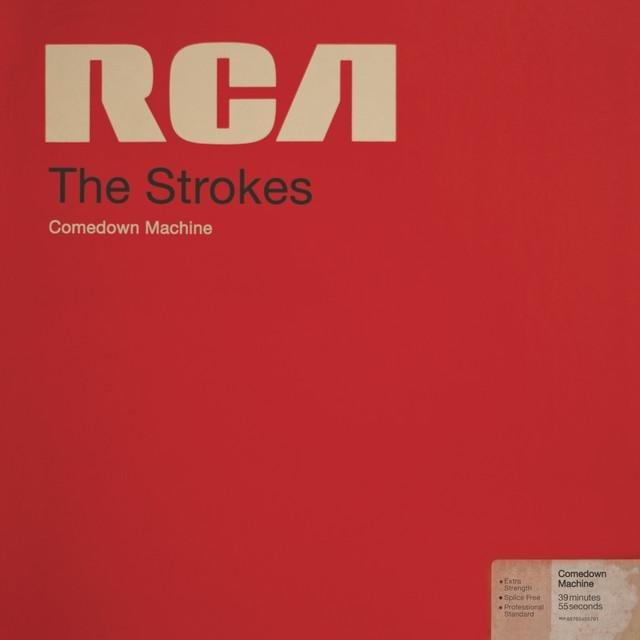
Released on Comedown Machine in 2013, the track closes the album and stands apart from much of The Strokes' sharper, more guitar-driven catalog. It is credited to Fabrizio Moretti, Julian Casablancas, Nick Valensi, Nikolai Fraiture, and Albert Hammond Jr. That full-band writing credit matters because the song feels carefully built as an atmosphere, not just a lyric sheet set to music.
The Heart of the Song Is Uncertainty
At its core, the song seems to follow someone standing near another person, emotionally and maybe physically, but feeling unable to bridge the gap. The opening image, built around Close the door
and Not all the way
, suggests hesitation right away. They do not want full distance, but they also do not get full closeness.
That in-between space shapes the whole song. The narrator admits confusion with I don't know a thing
, which makes the relationship feel uneven. One person seems composed and hard to read, while the other feels stuck trying to decode what is happening.
Interpretation: This is likely why the song feels so haunting. It is not about dramatic breakup scenes. It is about the smaller pain of being near someone and still not reaching them.
Watch the official Call It Fate, Call It Karma
music video
A Sidewalk, a Door, and a Beam of Light
The song uses simple images, but they carry a lot of emotional weight. The sidewalk line places the narrator outside, waiting, exposed, and not fully invited in. When they ask if they can stand in your light
, it sounds like a request for warmth, attention, or even borrowed identity.
These images matter because they show the power balance in the song:
- the other person is inside or ahead
- the narrator is outside or behind
- closeness is possible, but never secure
The phrase some of us remember
adds another layer. It hints that people carry relationships differently. One person holds onto the past, while another moves on or drifts out of place. That contrast makes the song feel like a memory in progress.
What the Chorus Really Reveals
The repeated questions in the chorus are central to the meaning of Call It Fate, Call It Karma The Strokes. The narrator does not demand love or clarity. They ask for a little time, a little space, and a little light.
That is what makes the song so sad. They are not asking for everything. They are asking for almost nothing, which suggests they already expect rejection or distance.
Can I waste all your timehere on the sidewalk?
Even in that brief moment, the language lowers their own value. Calling their presence a waste of time shows insecurity. They want to be seen, but they fear they are only an inconvenience.
How the Sound Carries the Meaning
A big reason this song connects with listeners is its production. Instead of the crisp attack often linked to The Strokes, this track leans into a faded, almost old-radio softness. Casablancas' vocal is filtered and distant, making it sound as if it is coming from another room or another era.
That choice supports the lyric meaning. If the song is about being emotionally close but still unreachable, the vocal mix enacts that feeling. The voice is present, yet blurred. The melody drifts instead of pushes.
The instrumental backing also matters. The arrangement moves gently, with a floating rhythm and warm tones that make the song feel suspended in time. Rather than building to a big release, it circles its emotion. That keeps the listener inside the narrator's uncertainty.
Interpretation: The production makes the track feel like a half-remembered conversation. It sounds like longing filtered through memory.
The Final Line Changes Everything
Near the end, the song becomes more direct with I needed someone
. After so much indirect language, that confession lands hard. It strips away the mystery and shows the simple human feeling beneath the song: loneliness.
This is why the title matters too. “Fate” and “karma” both suggest forces beyond control. The title may imply that the narrator is trying to make sense of what happened by giving it a larger name. If a connection failed, was it destiny, consequence, bad timing, or just emotional mismatch?
Interpretation: The title does not answer that question. It leaves the listener in the same uncertain space as the narrator.
Why the Song Still Stays With People
Part of the song’s appeal is how open it is. Some listeners hear a shy love song. Others hear someone watching a relationship fade. Others hear the sadness of admiring a person who remains unknowable.
That openness fits The Strokes well. Their best songs often balance cool surfaces with vulnerable feelings, and this track pushes that tension further than usual. Instead of swagger, they give listeners fragility.
For many fans, that is why the song lingers. It captures a familiar emotional state: wanting to be let in, sensing the distance, and not knowing whether to call it bad luck, bad timing, or something written in advance.
The Last Word on Its Meaning
The meaning of Call It Fate, Call It Karma The Strokes is best understood as a portrait of longing without resolution. It is about standing close to someone’s world while feeling unsure of their feelings and unsure of their own place in it.
Its beauty comes from restraint. The lyrics stay simple, the vocals stay ghostly, and the emotion never turns into a speech. They just let the ache hang in the air.
Disclaimer: This interpretation is based on the song’s lyrics, sound, and public credits. As with many songs by The Strokes, its meaning remains open to listener interpretation.








