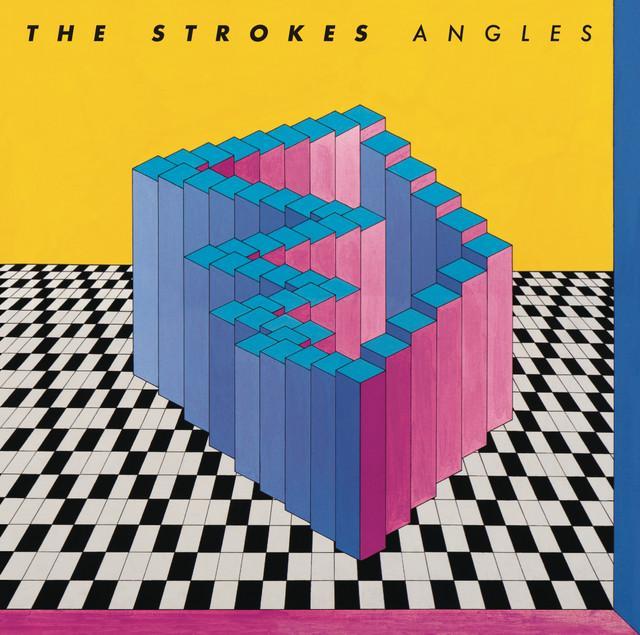
Machu Picchu by The Strokes
A Bright Groove Hiding a Dark Message
The meaning of Machu Picchu The Strokes comes from a sharp contrast: the song sounds breezy and catchy, but the lyrics are full of pressure, alienation, and disgust with modern life. On the surface, it moves with a light reggae-pop bounce. Underneath, it describes a world where people lose control of their choices and struggle to hold onto something real.
"Machu Picchu" - The Strokes
I'm putting your body on the line for less
Didn't you know there was a choice?
Loading lyrics...
Unable to load lyrics
We're unable to display the lyrics at this time. Please try again later.
As the opening track on Angles, it also signals a band trying new textures without giving up their bite. That matters, because the song is not just a mood piece. It is a critique.
Watch the official Machu Picchu
music video
What the Song Seems to Say
A simple reading is that the speaker sees someone being used by outside forces. Early lines describe patience being tested and a body put on the line
. The song frames that pressure as something bigger than one bad relationship. It suggests a life shaped by commerce, status, and borrowed opinions.
The key phrase is someone else’s voice
. That idea connects many of the song’s images. People are not fully choosing for themselves. They are repeating what culture, money, or desire tells them to do.
Interpretation: The song appears to be about spiritual exhaustion in a noisy society. It is less interested in one event than in a whole environment of manipulation.
From Personal Address to Social Critique
One of the song’s smartest moves is how it keeps shifting scale. It starts like a direct address to another person, maybe a partner, maybe a friend. Then it widens into a portrait of the United States as a place where values feel upside down.
When the lyrics mention that’s the USA
, the song stops sounding private. It becomes social commentary. Other quick images point to decay, exploitation, and fake glamour. Beauty fades, public life gets dirtier, and scandal becomes normal.
That is why lines about gossip, pornography, and lies matter. They are not random shock details. They show a culture where attention is cheap and truth is unstable.
The Mountain at the Center
Julian Casablancas gave the clearest factual clue in an NME interview, saying the lyrics are partly about keeping busy. He singled out the search for a mountain I can climb
, adding that Machu Picchu started as a joke title before seeming to fit.
That comment helps unlock the song. The mountain is not just a travel reference. It stands for purpose. In a world of corruption and distraction, the speaker wants a real challenge, something solid and earned.
I'm just tryin' to find
a nice place for you and I
Those lines shift the song from complaint to longing. The speaker is not only attacking the world around them. They are searching for shelter, meaning, and maybe a healthier relationship.
Decoding the Strange Images
The lyrics are packed with surreal details: meat, grey waves, rust, saints in disguise. The song does not explain these images in a neat story, but they cluster around a few themes.
Fading beauty and moral decay
Words like grey, dust, and rust suggest erosion. Things that once looked alive now seem worn down. The repeated movement from brightness to dullness mirrors emotional burnout.
Performance and disguise
Several lines hint that people are acting, selling, posing, or hiding. That supports the idea that public identity is fake. The world of the song feels crowded with masks.
Escape and refuge
Against all that decay, the speaker keeps reaching upward or outward. The mountain and the search for a place to live become symbols of rescue.
Interpretation: The title location, Machu Picchu, works as an imagined opposite to the broken world in the lyrics. It suggests height, distance, and sacred space.
Why the Music Sounds So Upbeat
Part of the song’s meaning comes from its sound. “Machu Picchu” has one of the most playful grooves on Angles, with clipped guitars, a bouncing rhythm, and a danceable pulse. That creates tension with the darker lyrics.
Instead of matching misery with a gloomy arrangement, The Strokes do the opposite. The music almost smiles while the words stare at social rot. That irony makes the criticism hit harder.
There is also important band context here. According to Songfacts, Angles began with producer Joe Chiccarelli, but the group later moved forward with Gus Oberg after disagreements about sound. That history matters because “Machu Picchu” feels experimental yet controlled, like a band testing fresh colors while protecting its identity.
A Song About Noise, Silence, and Being Heard
Late in the song, the speaker wonders if anyone can even hear them. That emotional turn is easy to miss because the track stays so energetic. But it may be the most vulnerable moment in the whole piece.
After all the satire and cultural criticism, they reveal a simple fear: speaking into a world that does not listen. That makes the song feel less smug and more human. Beneath the cool exterior is frustration, loneliness, and a need for connection.
Final Take on the Meaning of Machu Picchu The Strokes
The meaning of Machu Picchu The Strokes is best understood as a search for purpose in a corrupted environment. It criticizes a culture of exploitation, fake voices, and public decay, while still reaching for love, shelter, and a challenge worth climbing.
That is why the song lasts. It is stylish and elusive, but its emotional core is simple: when everything feels compromised, people still want something true.
Disclaimer: This interpretation is based on the lyrics, released recording, and limited public comments from the band. As with many Strokes songs, some ambiguity is intentional.








