Why 'You're The Best Thing' Feels So Secure
The meaning of You're The Best Thing The Style Council comes down to a simple but powerful choice: love matters more than ambition, wealth, or social power. On the surface, it is a bright 1984 love song. Under that surface, it is also a statement about values.
"You're The Best Thing" - The Style Council
I might win much more but lose all that is mine
I could be a lot but I know I'm not
Loading lyrics...
Unable to load lyrics
We're unable to display the lyrics at this time. Please try again later.
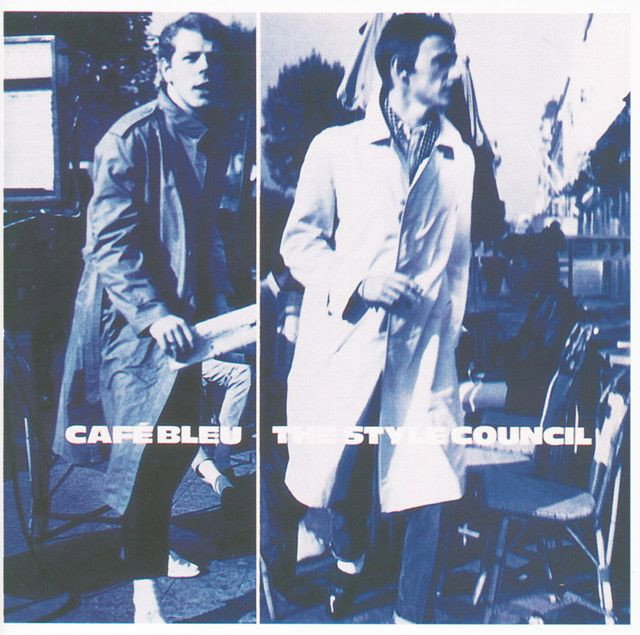
Written by Paul Weller and released by the Style Council on May 18, 1984, the song became a major hit, reaching No. 5 in the UK and later charting in the U.S. as well. It was the second single from Café Bleu, which was retitled My Ever Changing Moods in the United States. It was produced by Paul Weller and Peter Wilson and recorded at Solid Bond Studios in London. Those factual details matter because the song sits right in the middle of the band’s early mix of soul, pop, and polished sophistication.Wikipedia: "You're the Best Thing"
More Than Romance, Less Than Fantasy
At the heart of the lyric, the singer lists different paths they could take. They could chase success, take more than they need, or go looking for some larger reward. But each idea is rejected. The song keeps returning to the belief that the relationship already provides enough.
That is why phrases like chase the rainbow's end
matter. It suggests chasing something shiny but distant, maybe even impossible. The lyric does not attack dreams themselves. Instead, it questions the kind of ambition that makes people ignore what they already have.
Another key phrase is riches that you bring
. The song does not mean money. It reframes “riches” as emotional wealth: warmth, peace, and a sense of purpose. In other words, the singer has measured love against status and found love more valuable.

Watch the official You're The Best Thing
music video
The Verses Build a Moral Argument
Each verse follows a pattern. First, the singer imagines a tempting alternative. Then they pull back and choose the relationship.
In one verse, they could want more than they already possess. In another, they reject a power crazy way
. That line is important because it broadens the song beyond private romance. It is not just about being faithful to one person. It is also about refusing a worldview built on domination, greed, and ego.
There is even a political edge here, which fits Weller’s larger writing style in the 1980s. The Style Council often mixed personal feeling with social attitudes, drawing from soul music, style culture, and class-conscious pop. Interpretation: in this song, that habit appears in miniature. The romance becomes a small moral model: live honestly, value what is real, and do not confuse power with meaning.
Why the Chorus Hits So Hard
The chorus works because it is absolute. After all the imagined detours, the singer lands on a clear truth: the best thing
is not fame, control, or endless striving. It is the person they love.
That refrain has emotional force because the verses keep testing it. The song does not begin with certainty and stay there. It moves through temptation, doubt, and possibility, then returns to gratitude. That pattern makes the declaration feel earned.
There is also a pleasing humility in the lyric. The singer admits they may get things wrong. They may wander. But they know where real value lies. The line about coming back “in style” adds a little charm and wit, keeping the tone light instead of preachy.
How the Sound Carries the Message
Musically, the song helps explain its own meaning. The arrangement is smooth, airy, and welcoming, shaped by blue-eyed soul and pop rock rather than hard-edged rock. Weller’s vocal is tender without sounding fragile, and the groove never rushes. That calm pace supports the lyric’s idea of emotional steadiness.
The credited players included Weller on vocals and guitar, Mick Talbot on synth bass, and Steve White on drums and percussion, with strings arranged by Peter Wilson. The 7-inch single version also added a saxophone solo from Billy Chapman, a feature not heard on the original album version.Wikipedia: "You're the Best Thing"
That sax matters. It adds warmth and glow, making the single feel even more romantic and lived-in. The strings do something similar. They soften the edges and make the song sound rich without sounding excessive. It is a polished production, but not a cold one.
A Love Song About Enough
One of the most appealing things about the track is that it treats love as a form of contentment. The singer does not say life becomes perfect. They do say that love gives life its center. The image of the warmth of your smile
captures that idea in a very human way: not a fantasy, just everyday comfort.
Interpretation: this is why the song still lasts. Many love songs are about desire or heartbreak. This one is about gratitude. It celebrates the rare feeling of knowing that the search can stop, because what matters most is already present.
That also explains its lasting appeal in the U.S. and beyond. Even with its stylish 1984 production, the emotional message is timeless. People still respond to songs that say fulfillment is not somewhere else. It is here, in loyalty, in affection, and in choosing not to trade those things away.
Final Take on Its Meaning
The meaning of You're The Best Thing The Style Council is not just that someone is lovable. It is that love can rescue a person from false ambitions and empty hunger. The song turns devotion into a kind of wisdom.
It sounds elegant, but its message is plain: they could chase more, rule more, want more, or wander more. Instead, they choose what is real.
Disclaimer: This interpretation is based on the lyrics, musical context, and known release information. As with any song, listeners may hear personal meanings that go beyond the artist’s documented intent.








