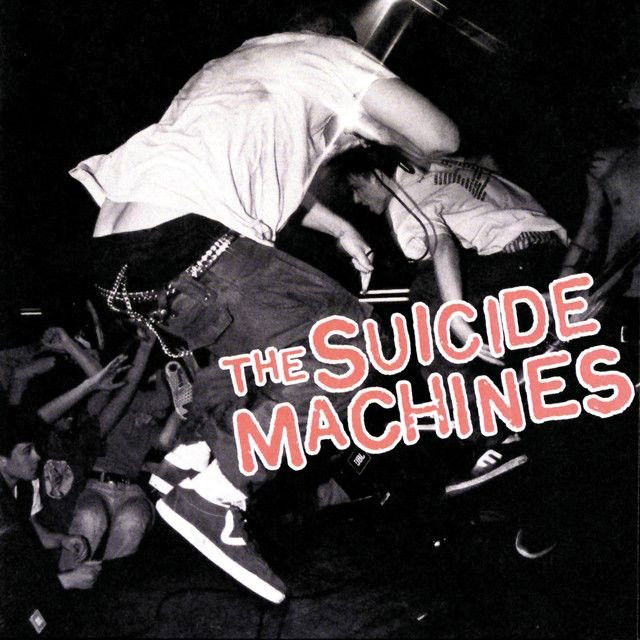
No Face by The Suicide Machines
A fast song with a worried heart
The meaning of No Face The Suicide Machines comes into focus once the song moves past its clipped jokes, slang, and punk attitude. On the surface, it sounds like a pileup of short commands and sarcastic snapshots. Under that surface, though, the track is about young people feeling numb, anonymous, and trapped inside a culture that treats danger like background noise.
"No Face" - The Suicide Machines
Don't drink, drive slow
Insane, no brain
Loading lyrics...
Unable to load lyrics
We're unable to display the lyrics at this time. Please try again later.
The band came out of Detroit’s punk scene and mixed ska, hardcore, and pop-punk energy. Their 1996 album Destruction by Definition brought them national attention, and “No Face” became a minor modern rock hit. That context matters because the song sounds like mid-1990s youth culture in motion: fast, overloaded, ironic, and suddenly serious.

Watch the official No Face
music video
What the lyrics are really saying
For much of the song, the writing feels like a chain of quick labels. Phrases such as dress down, look plain
and punk's dead
sketch a world of trends, poses, and tired scenes. The speaker seems surrounded by rules about how to act, what to wear, and what kind of rebellion is still supposed to count.
That is where the title idea starts to matter. Interpretation: “No Face” suggests loss of identity. The people in the song blur together. They are not seen as full individuals. They become types, habits, and social signals.
The lyric no race, no face
pushes that feeling even further. It does not read like a celebration of unity. It sounds colder than that. In context, it suggests erasure: a person stripped down until nothing distinct is left. The result is not freedom, but emptiness.
The chorus turns confusion into a plea
The repeated question Is there anybody out there?
changes the whole song. Before that refrain, the verses move like detached observations. Once the chorus hits, the emotional center is clear: this is not just sarcasm. It is loneliness.
The follow-up question, Does anybody know?
, adds another layer. The speaker is not only asking whether anyone is present. They are asking whether anyone understands what is happening. That turns social frustration into a wider crisis of connection.
In other words, the chorus sounds like a search for witnesses. The song’s world is crowded with people, trends, and noise, yet it still feels empty. That contrast is a big part of the meaning of No Face The Suicide Machines.
The final verse reveals the song's deepest concern
The last section is what gives the song its moral weight. The speaker admits, in plain language, that they do not know where things went wrong. Then the song pivots from scene commentary to grief over youth violence.
another kid died
senseless act of violence
Those lines are brief, but they change everything around them. The earlier fragments now sound less random. They begin to resemble warning signs from a culture where alienation, boredom, and aggression have become normal.
This is the clearest factual takeaway from the lyric itself: the song condemns violence, especially violence affecting young people. It treats that violence not as entertainment or macho posturing, but as tragedy. The closing confession that it makes the speaker want to cry cuts through punk cool and leaves raw sadness.
How the scattered lines support the theme
A collage of youth culture
Many of the short lines sound like overheard slogans or half-serious advice: drive carefully, act cool, stay sharp, fit in, move on. They pile up so fast that they start to feel meaningless. That appears intentional.
Interpretation: the song mimics mental overload. The speaker is flooded by commands, clichés, and identities, but none of them offer real direction. That is why the verses can sound funny for a second and bleak the next.
From pose to pain
The sequence matters. The song begins with social shorthand and ends with human cost. By moving from style language to the death of “another kid,” it argues that empty posturing can hide real damage. What starts as scene satire ends as a cry against numbness.
Why the music fits the message
The Suicide Machines were known for blending punk speed with ska bounce, especially in their early period. “No Face” uses that mix well. The guitars are sharp and urgent, the rhythm section keeps everything in a rush, and the vocal delivery sounds like thoughts arriving faster than they can be sorted.
That musical attack helps express the song’s anxiety. The ska-punk lift gives the track momentum, but the punk edge keeps it tense rather than playful. Instead of making the message lighter, the upbeat feel creates friction. The listener is pulled forward even as the lyrics describe disconnection and violence.
That tension may help explain why the song connected beyond the underground. According to band history, “No Face” peaked at No. 31 on the U.S. Modern Rock chart and had a music video in 1996. Its hook is catchy, but its core feeling is unsettled.
A balanced interpretation of the song
There is no widely documented artist statement in the provided research that definitively explains the lyric. So the strongest reading should stay close to the text.
A careful interpretation is this:
- The song portrays a youth culture full of masks, trends, and stale slogans.
- The repeated questions show emotional isolation and a need to be understood.
- The ending frames violence against young people as the real horror beneath all the noise.
Taken together, the meaning of No Face The Suicide Machines is less about one story than one condition: feeling faceless in a loud world, then realizing that this numbness can have deadly consequences.
Why the song still lands
Even decades later, “No Face” holds up because its target is bigger than one scene. It speaks to social emptiness, identity loss, and the way people can become desensitized to cruelty. Its power comes from contrast: fast music, blunt phrases, and a sudden burst of grief.
That makes the song memorable not just as a 1990s ska-punk single, but as a compact protest against apathy. Interpretation disclaimer: this article offers a text-based reading shaped by available historical context, and listeners may reasonably hear different shades of meaning in the song.








