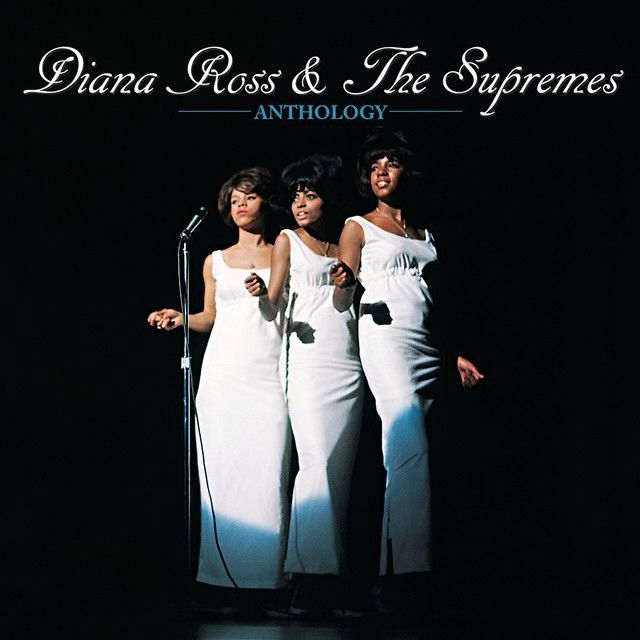
Why 'Come See About Me' Still Hurts and Shines
The heart of the song in one glance
The meaning of Come See About Me The Supremes centers on a simple but powerful idea: they sing about wanting someone back so badly that love starts to feel like ache, routine, and hope all at once. The speaker is lonely, emotionally off balance, and waiting for a lover to return. Yet the song never sounds defeated.
"Come See About Me" - The Supremes
'Cause I'm lonely (for you)
Smiles have all turned (to tears)
Loading lyrics...
Unable to load lyrics
We're unable to display the lyrics at this time. Please try again later.
That contrast is the key to why it lasts. The words describe crying, fear, and uncertainty, but the performance stays polished, catchy, and even sweet. As critic Kele Okereke once noted, the words carry sadness while the music stays buoyant. That tension is what gives the track its emotional pull.
Factually, the song was recorded by The Supremes for Motown in 1964, written by Holland–Dozier–Holland, and released as a single on October 27, 1964. It became the group’s third straight No. 1 on the Billboard Hot 100 and appeared on Where Did Our Love Go.

Watch the official Come See About Me
music video
A plea wrapped in pop gloss
On the surface, the story is direct. The singer misses a partner and asks him to return. Early lines describe tears, fear, and a burning emotional restlessness. When they sing come see about me
, they are not making a casual request. They are asking for reassurance, attention, and proof that the relationship still matters.
The verses deepen that feeling. The narrator says she has sacrificed other parts of her life for this person, including friends, only to end up alone. The phrase given up my friends
matters because it shows imbalance. This is no small crush. It is devotion that has become isolating.
No peace shall I find
Until you come back
Those lines show the song’s emotional stakes in the clearest way. Peace depends on reunion. Love is not just desired; it has become the condition for feeling normal again.
What the chorus really means
More than a request for a visit
The chorus sounds warm and melodic, but its meaning is stronger than it first appears. To “see about” someone means to check in, care for them, and take responsibility for their pain. So when they repeat come see about me
, they are asking for emotional action, not just physical presence.
This is where the song gets interesting. Interpretation: the hook can be heard in two ways at once:
- As a wounded plea from someone abandoned.
- As a confident, almost flirtatious attempt to draw a lover back.
That second reading fits Diana Ross’s delivery. Even when the lyrics suggest heartbreak, she sings with control and charm. Some critics have argued that the title line feels less like collapse and more like strategy—a way of turning need into invitation.
How the lyrics build the theme of dependence
The song’s emotional world keeps returning to instability. The singer says life feels up and down, uncertain, and hard to settle. Short phrases like my life's so uncertain
and with you not around
show that absence affects everything, not just romance.
There is also a strong theme of emotional persistence. The narrator promises to keep loving the other person no matter what happens. That is romantic, but it is also a little painful. Interpretation: the song may be describing a kind of devotion that crosses into self-erasure, where loyalty remains even after disappointment.
That helps explain why the song feels bigger than a standard breakup single. It is about loneliness, yes, but also about how love can narrow a person’s world until one return call seems like the answer to every problem.
Why the sound feels happy when the words are sad
The Motown engine behind the emotion
A huge part of the song’s meaning comes from its production. According to widely cited session details, the backing was played by the Funk Brothers, including James Jamerson on bass and Earl Van Dyke on piano. The record also opens with a fade-in, an unusual touch at the time and one of the early notable uses of that effect on a studio pop recording.
The arrangement turns sadness into motion. The beat is crisp, the groove steady, and the background vocals answer the lead in a way that makes the loneliness sound communal rather than private. Billboard praised its “Detroit beat,” and that description fits: the rhythm keeps pushing forward, even when the lyric feels stuck.
This matters because the production changes the meaning. If the song were slow and bare, it might sound desperate. Instead, the bright tempo and elegant vocal blend make pain feel survivable. They do not deny hurt; they dress it in style.
Where it sits in The Supremes’ rise
“Come See About Me” arrived during one of the great hit streaks in American pop. It was the third of five straight Supremes singles to top the Hot 100, helping define the group as Motown’s breakthrough mainstream act. There was even competition: singer Nella Dodds released her version first, but Motown quickly pushed The Supremes’ recording, which became the dominant hit.
That context sharpens the song’s meaning too. The Supremes often recorded songs about love, longing, and romantic imbalance, but they presented those feelings with refinement and crossover appeal. This track is a strong example of that formula: emotional vulnerability delivered with absolute poise.
Final takeaway: hurt, hope, and polish
The meaning of Come See About Me The Supremes is not just that someone misses a lover. It is that they are caught between sadness and faith, abandonment and attraction. They ache, but they still believe the person will come back. That mix of pain and confidence is the song’s real subject.
Its brilliance lies in the gap between lyric and sound. The words lean toward heartbreak, while the music glows. That is why the song still feels alive: it understands that people often present longing with a smile.
Disclaimer: This interpretation is based on the recorded lyrics, performance, and documented release context. As with any song, listeners may hear different meanings in it.








