Why 'The Bird' Turns Chaos Into Freedom
The meaning of The Bird The Time starts with a joke, but it does not end there. On the surface, this is a party record built around a made-up dance, loud ad-libs, and a crowd-hyping frontman. Under that surface, though, the song becomes a playful argument that movement can break tension, loosen social rules, and turn a room full of watchers into participants.
"The Bird" - The Time
Hold up, do y'all wanna learn a new dance?
Are you qualified to learn one? That's what I thought
Loading lyrics...
Unable to load lyrics
We're unable to display the lyrics at this time. Please try again later.
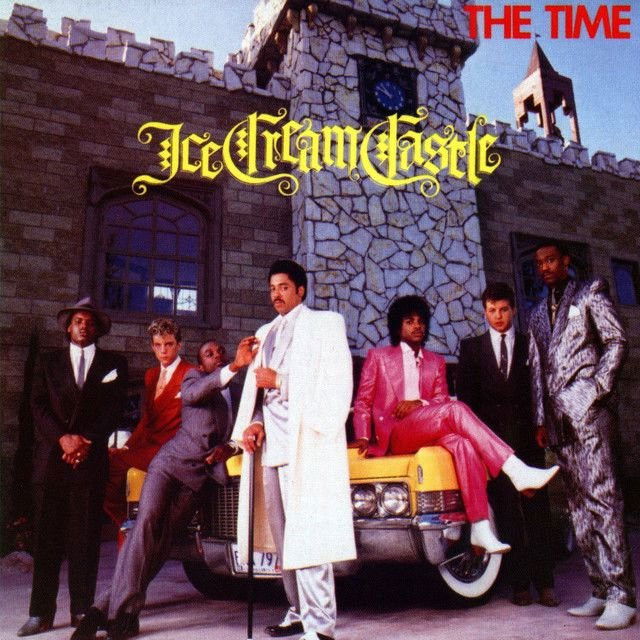
The Time released "The Bird" from Ice Cream Castle, and the single arrived in 1985 after being recorded live at First Avenue on October 4, 1983. It was written by Morris Day, Prince, and Jesse Johnson, and produced by Prince, according to the song’s documented release history and credits. That live setting matters because the whole track feels built for command, response, and instant reaction.
A Dance Craze With a Bigger Purpose
At the most basic level, the song invites everybody to try a new dance. The narrator acts like a host, a coach, and a comedian all at once. They bark instructions, tease the crowd, and keep the energy moving forward.
But the point is not technical skill. Early on, the lyric says people do not need no finesse
or even much polish. They just need two arms and an attitude
. That idea is central to the song’s meaning: self-expression beats perfection.
Interpretation: The dance is a symbol for letting go of self-consciousness. The song treats embarrassment as the real enemy, not lack of talent.
Watch the official The Bird
music video
The Voice on the Mic Is Part Ringmaster, Part Trickster
Morris Day delivers the song like a man controlling a room by sheer personality. They do not sound reflective or vulnerable. They sound amused, demanding, and fully aware that performance itself is the product.
That is why commands like act a fool
are important. The song suggests that being a little ridiculous is freeing. Instead of protecting dignity, the crowd is asked to risk it.
There is also flirtation all over the lyric. Dancing is tied to desire, confidence, and being seen. The repeated setup about what to do when you wanna get some
makes the joke obvious: the dance becomes a shortcut to attraction, or at least to feeling bold enough to pursue it.
How the Story Moves Across the Song
Even without a traditional plot, the track has a clear sequence:
- The frontman introduces the dance and challenges the crowd.
- The chorus turns the move into a chant everyone can share.
- The verses widen the invitation to men, women, and then “America.”
- The middle of the song shifts deeper into live-show theater.
- The ending turns wild, loose, and almost last-call desperate.
That progression matters. "The Bird" starts as instruction, then becomes social pressure, and finally lands as full communal release. By the end, the dance is not just a dance anymore. It is the room’s temporary identity.
The Hook Sells Liberation Through Absurdity
The famous cry Whawk! Hallelujah!
sounds half birdcall, half church shout. That contrast is one reason the hook sticks. It is goofy, but it also sounds triumphant.
Interpretation: The hook turns nonsense into release. A word that means almost nothing on paper becomes meaningful through repetition, rhythm, and group energy. In other words, the song shows how parties create their own language.
There is a second key line later: I pledge allegiance to the time
. That phrase sounds comic, but it also reveals the group’s worldview. They are loyal to the moment, the groove, and the scene in front of them.
I pledge allegiance to the time
Whawk! Hallelujah! Whoa
In miniature, that couplet explains the whole record: devotion to the party, answered by ecstatic noise.
Sound First, Meaning Second—and That Is the Meaning
Musically, the song blends funk, rock, and R&B energy. Sources on the recording note that it uses both a drum machine and live drumming, which helps explain why it feels mechanical and human at once. That push-pull gives the record its spring: tight enough to lock in, loose enough to feel dangerous.
The guitar stabs, horn bursts, and shouted backing vocals all support the lyrical message. Nothing about the arrangement encourages passive listening. It is a track that keeps telling the body to move.
That is also why the live recording is so important. According to available session history, this release is notable as the first Time song issued with the band truly featured as a band rather than mostly as a Prince-built studio construction. That fuller ensemble energy strengthens the song’s theme of collective action.
The Social Edge Beneath the Comedy
Some lines tease different groups for being uptight or too cool. Today, listeners may hear those moments as part of the song’s provocative stage humor rather than careful social commentary.
Interpretation: Even so, the pattern is clear. The lyric attacks stiffness. Whether it is macho cool, body shame, racial awkwardness, or simple fear of looking silly, the song keeps pushing against whatever stops people from joining in.
That makes "The Bird" more than a novelty hit. Its chart success—reaching No. 36 on the Billboard Hot 100 and No. 6 on the Hot Dance/Disco chart—fits a song designed to erase distance between performer and crowd.
Why the Song Still Works
The meaning of The Bird The Time lasts because the song understands something basic: people often need permission to be unguarded. The Time gives that permission through humor, swagger, and relentless groove.
They do not promise wisdom. They promise release. And in this song, that is enough.
Interpretation disclaimer: This reading separates documented facts about the song’s credits, release, and recording from critical interpretation of its lyrics and themes. Meaning can vary from listener to listener.








