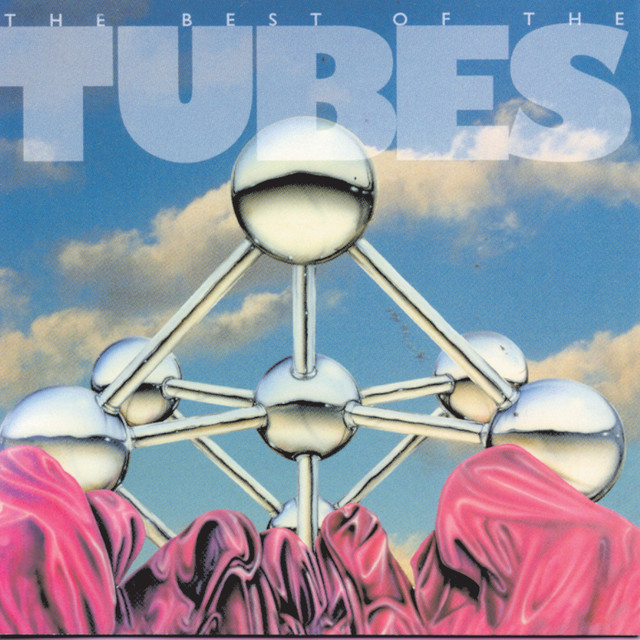
She's A Beauty by The Tubes
The hook sells a dream, then breaks it
The meaning of She's A Beauty The Tubes starts with a sales pitch. The song sounds bright, catchy, and playful, but its story is much sharper than the chorus first suggests. They present a speaker who sounds like a midway hustler, drawing people toward a beautiful attraction while quietly admitting the whole thing is a setup.
"She's A Beauty" - The Tubes
Because you will not believe your eyes
She's right here behind the glass
Loading lyrics...
Unable to load lyrics
We're unable to display the lyrics at this time. Please try again later.
Released in 1983 as a single from Outside Inside, the song became the Tubes' biggest hit, reaching No. 10 on the Billboard Hot 100 and No. 1 on Billboard's Mainstream Rock chart, according to widely cited chart summaries and reference sources. It was co-written by Fee Waybill, David Foster, and Steve Lukather, and produced by Foster.
What makes it memorable is the tension between invitation and warning. The singer says, in effect: come closer, pay up, enjoy the fantasy—but remember it is only a fantasy.
Watch the official She's A Beauty
music video
A carnival-barker voice with a cold truth underneath
The verses use direct commands to pull the listener in. Phrases like Step right up
and don't be shy
sound like a fairground pitch. That matters because the song is not told from the point of view of a lover. They hear a salesman, someone who knows how desire works and knows how to turn it into money.
That voice keeps promising access to something dazzling. The woman is framed as rare, glamorous, and almost unreal. But just when the song seems ready to become a simple celebration of beauty, it changes course. The key warning is don't fall in love
. That line turns the whole song from flirtation into commentary.
Interpretation: They can hear the narrator exposing the trap while also participating in it. He sells the fantasy and critiques it at the same time.
The real-life inspiration explains the song's edge
Fee Waybill later explained that the lyric came from a real experience in San Francisco's Tenderloin district. In interviews and retrospective accounts, he described seeing a booth outside a massage parlor where a passerby could pay to talk to a woman behind glass. That story is the clearest factual key to the song's setup.
Instead of writing a straightforward love song, Waybill turned that scene into a broader idea about commercialized desire. The woman in the song is visible, available for conversation, and carefully packaged. But she is also unreachable. The lyric makes that plain with behind the glass
and can't touch the merchandise
.
Those phrases are important because they reduce intimacy to a transaction. The barrier is not just physical. It is emotional too. The customer is allowed to look and imagine, but not to connect in any real way.
What the chorus really means
The chorus sounds huge and flattering. Calling her one in a million
makes her seem special, maybe even magical. But the phrase also sounds like ad copy. It is exactly the kind of exaggeration a pitchman would use.
Then comes the sly line Why would I lie?
On the surface, it sounds reassuring. Underneath, it feels slippery. Honest people usually do not need to insist they are telling the truth.
Interpretation: They may hear that refrain as part of the song's satire. The narrator knows he is packaging desire with marketing language. The line invites listeners to notice how easy it is to believe a promise when it is delivered with confidence.
Money, fantasy, and emotional misreading
One of the song's strongest ideas is that fantasy can feel personal even when it is clearly commercial. The customer gets a moment that seems intimate: a beautiful face, direct speech, a private exchange. But the song keeps reminding them that this intimacy has a price and a limit.
That is why the warning about love matters so much. The danger is not only spending money. It is confusing performance for affection. The attraction is designed to make the buyer feel chosen, even though the experience is the same product being sold again and again.
In that sense, the song is not just about one booth or one woman. It is about the human habit of projecting deep feelings onto surfaces built to trigger desire.
Why the music feels so glossy and sharp
David Foster's production is a big reason the message lands so well. The track blends pop-rock drive with shiny early-'80s synth textures, making it feel sleek, modern, and commercially polished. Steve Lukather's riff gives the song a crisp, muscular opening, while the chorus blooms into something almost celebratory.
That sound is not accidental. The production mirrors the lyric's salesmanship. Everything glitters. Everything feels immediate. The song itself becomes a kind of sonic attraction, which is exactly why its cautionary message hits harder.
Interpretation: They can hear the arrangement acting like the booth in the lyric—bright, inviting, expertly designed, and slightly deceptive.
The video pushed the meaning even further
The MTV-era video helped define the song's legacy. It places Fee Waybill in a carnival-barker role and follows a boy through a surreal attraction. By the end, the ride suggests that chasing illusion can cost time, innocence, and maybe even a whole life.
That visual framing fits the lyric perfectly. The song is not simply about lust. It is about spectacle: how desire becomes entertainment, and how entertainment can reshape what people think they want.
Final reading: a hit song with a warning label
At its core, the meaning of She's A Beauty The Tubes is about the line between attraction and illusion. They use the language of a sideshow to show how beauty can be advertised, priced, and consumed without ever becoming real intimacy.
That is why the song still works. It is catchy enough to feel fun, but smart enough to reveal the emptiness inside the pitch. The listener is invited in, then told to watch their heart.
Disclaimer: This interpretation mixes documented background with critical reading of the lyrics, sound, and video. As with most songs, some meanings remain open to listener interpretation.








