Why "Mr. Deadman" Feels Like a Sellout Satire
The meaning of Turn Me On "Mr. Deadman" The Union Underground starts with a sneer. On the surface, the song sounds like a loud, dirty nu-metal anthem built for clubs and mosh pits. Under that surface, it reads like a mocking look at fame, image, and the music business turning rebellion into a product.
"Turn Me On "Mr. Deadman"" - The Union Underground
All the simple minds
They adore, what a bore how they stand in line
Loading lyrics...
Unable to load lyrics
We're unable to display the lyrics at this time. Please try again later.
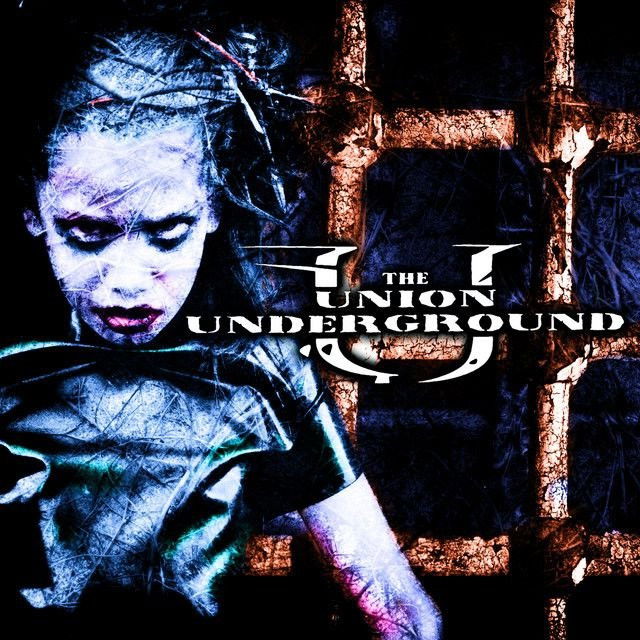
Released on August 28, 2000, as the lead single from ...An Education in Rebellion, the track became the band’s biggest hit, reaching No. 11 on Billboard’s Mainstream Rock chart. That success matters to the song’s meaning: it is a track about wanting stardom while also distrusting what stardom does to people.
The Core Idea Hiding Inside the Swagger
At its heart, the song presents a speaker who sounds both hungry and disgusted. They brag, demand, and taunt, but they also expose how fake the whole machine feels. The repeated attacks on simple minds
suggest contempt for crowds that consume celebrity without asking questions.
Then the song shifts toward performance itself. When the narrator asks about a drug of choice
, it does not have to mean a literal substance. Interpretation: the “drug” can be applause, money, attention, or the rush of becoming a marketable persona. The line about being paid for having the voice
pushes that idea further. Talent is real, but it is also being bought.

Watch the official Turn Me On "Mr. Deadman"
music video
Fame as Costume, Not Identity
One of the song’s sharpest ideas is that success creates a role someone has to wear. The lyric about a mask that you wear
is brief, but it unlocks the whole track. The singer is not just attacking fans or rivals; they may also be attacking the false self created by the entertainment industry.
That is why the song feels so tense. It celebrates rock-star power while revealing the emptiness inside it. The narrator says they want it and need it, but those words do not sound healthy. They sound trapped.
Turn me on turn me on Mr. Deadman Yeah I want it I need it
In context, that hook sounds less like freedom than surrender. Interpretation: “Mr. Deadman” can be heard as a symbol for the machine that animates a performer while draining their real self. It “turns them on,” but it may also turn them hollow.
Who or What Is "Mr. Deadman"?
The title figure is never explained directly, and that ambiguity gives the song its bite. There are at least two strong readings.
Reading One: The Industry Puppet Master
The most common interpretation is that Mr. Deadman stands for the music business itself. He is the one who can switch fame on, reward shock value, and turn anger into sales. In that reading, the song is about selling rebellion back to an audience in a neat package.
Reading Two: The Dead Self Inside the Rockstar
A second reading is more psychological. Mr. Deadman may be the lifeless persona a performer creates to survive success. They become a character: louder, uglier, more extreme, and easier to sell. The person inside starts disappearing.
Both readings fit because the song never chooses between them. It treats fame as both outside pressure and inner corruption.
How the Verses Build That Theme
The song is short, but it is tightly built. The repeated commands like Penetrate
, Dilate
, and Violate
create a harsh rhythm of invasion and expansion. Those words suggest more than aggression. They hint at boundaries being crossed, senses being overloaded, and a body or mind being manipulated.
That language matches the song’s world: crowds line up, money talks, and identity becomes elastic. People are entered, stretched, and used by the system. Even the insults in the lyric help show how ugly that world is. Rather than sounding thoughtful or noble, the voice sounds corrupted by the same culture it condemns.
The Sound Makes the Message Hit Harder
Production is central to the song’s meaning. The Union Underground came out of the late-1990s and early-2000s nu-metal boom, but this track leans heavily into industrial texture. As Metal Hammer noted, it has more in common with Rob Zombie and Marilyn Manson’s mechanical stomp than with rap-rock bounce.
That matters because the groove feels machine-made: churning guitars, punchy drums, clipped phrasing, and a vocal delivery that sounds half-human, half-brand. The song is only 2:38 long, which helps it feel like a concentrated blast. It does not tell a long story. It hits like an advertisement for danger, which is exactly why its satire works.
Producer Don Gilmore, along with Bryan Scott and Patrick Kennison, keeps everything tight and hard-edged. There is almost no wasted space. The result is music that sounds seductive and hostile at the same time, mirroring the lyric’s push-pull relationship with fame.
Context Matters: A Hit About Hating the Machine
Part of the appeal is the irony. The song criticizes celebrity culture while becoming a successful single inside that same system. It later gained extra notoriety when Marilyn Manson reportedly heard it in a strip club and chose the band as tour support. That story fits the song’s world perfectly: sex, spectacle, commerce, and rock-star mythology all collapsing into one image.
So the track was not standing outside the culture it mocked. It was inside it, thriving there. That tension is a big reason the song still sticks in listeners’ minds.
Final Take on the Song’s Meaning
The meaning of Turn Me On "Mr. Deadman" The Union Underground is best understood as a sneering portrait of manufactured stardom. It shows a voice that craves attention, money, and power, while also exposing the fake mask required to get them.
Whether listeners hear Mr. Deadman as the industry, the audience, or the deadened self created by fame, the point stays sharp: the song turns rock-star lust into something ugly on purpose. That is why it still lands.
Disclaimer: This article offers interpretation based on the lyrics, recording context, and documented release history. Song meaning can remain open to different listener readings.







