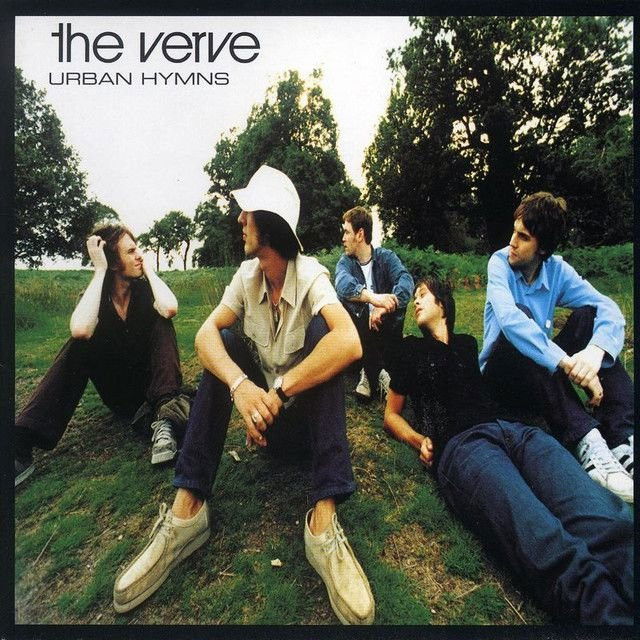
Lucky Man by The Verve
They know The Verve for their widescreen anthems, but Lucky Man is their most everyday miracle: a simple confession that maturity can feel like freedom. This piece explores the meaning of Lucky Man The Verve listeners still return to—how its words and sound capture gratitude after the noise fades.
"Lucky Man" - The Verve
(It's like, it's like)
(It's like thunder, thunder)
Loading lyrics...
Unable to load lyrics
We're unable to display the lyrics at this time. Please try again later.
Gratitude After The Rush: What The Song Admits
Lucky Man opens with a shrug and a smile: Happiness, more or less
. The narrator isn’t claiming constant bliss. Instead, they admit it’s about a change in me
—accepting who they’ve become and the steadier love they’ve found.
Factual context: Richard Ashcroft has said the song was inspired by his relationship with his wife and the freedom that arrives after the early showy phase of romance. That lines up with the lyrics’ turn from feverish infatuation to calm commitment. The result is a love song to maturity—a recognition that luck is less about chance and more about perspective.

Watch the official Lucky Man
music video
Who’s Speaking, And Why It Matters
The voice is first person, intimate but clear. The speaker makes a grounded claim—I’m a lucky man
—not because everything is perfect, but because they feel aligned with who they are. Vulnerability surfaces in images of standing unguarded and unashamed, signaling that authenticity, not bravado, is the source of strength.
Crucially, the narrator also asserts agency: they hold life with with fire in my hands
. Interpretation: that “fire” can be read as creative spark, romantic passion, or simply the will to choose gratitude. Either way, it’s a statement that luck is something they participate in, not just receive.
How The Story Unfolds: Small Turns, Big Realizations
- Recognition: Happiness fluctuates, yet the singer spots a deeper shift within.
- Doubt and learning: Questions about how many “corners” they must turn reveal self-correction and growth.
- Declaration: The refrain returns to
I’m a lucky man
, framing luck as earned clarity. - Endurance: The promise of lasting devotion—
You’ve got a love that’ll never die
—moves the song from self-focus to relational commitment. - Synthesis: The line
All the love I have is in my mind
raises a paradox. Interpretation: love is both internal (a mindset, a discipline) and external (a partner). The tension is the point; choosing love is a mental posture that keeps the relationship alive.
Sound That Carries The Feeling
Lucky Man blends Britpop brightness with soft-rock warmth. Recorded at Olympic Studios and produced by Youth with the band, it centers on acoustic strum, steady drums, and rising strings. Nick McCabe’s guitar textures shimmer in the edges, creating lift without overshadowing the vocal.
The arrangement mirrors the lyric arc. Verses feel conversational; the chorus opens wide as the strings bloom, making the declaration of luck feel communal, not private. Ashcroft’s delivery sits just above the band, conversational yet certain—less a boast than a benediction. The mix favors clarity and air, which suits a song about liberty and ease.
Where It Fits In The Verve’s Story
Released in November 1997 as the third single from Urban Hymns, Lucky Man reached No. 7 on the UK Singles Chart and became a U.S. Modern Rock hit, peaking at No. 16. While Bitter Sweet Symphony towered over the era, Lucky Man quietly defined what Ashcroft could do without grand drama: turn personal reflection into a sing-along. Bono later named it among songs he wished he’d written, a nod to its craft and feeling.
Two music videos underline its everyday-transcendent quality. The UK clip places the band in a stark London setting that opens to a rooftop vista. The U.S. version shifts from a New York apartment to a mountain top. Both angles say the same thing: the ordinary can open into the sublime.
Other Readings That Also Work
- Romantic gratitude: The speaker thanks a partner whose steady love anchors them.
- Spiritual awakening: “Fire in my hands” reads as inner light; luck equals grace.
- Creative credo: The song doubles as an artist’s statement—owning craft, claiming perspective, and recognizing that mindset shapes outcomes.
Interpretation: The line All the love I have is in my mind
could be misread as detachment. In context, it’s the opposite. The narrator is choosing a mental stance—openness, patience—that keeps real love alive when happiness wavers.
What Listeners Can Take With Them
Lucky Man doesn’t deny struggle; it reframes it. Happiness may be “more or less,” but freedom appears when they accept who they are, cherish who they love, and decide to feel fortunate anyway. That’s why the refrain still lands in arenas and living rooms: it gives people a simple sentence to stand inside.
Disclaimer: Song meanings are subjective. This article reflects one informed interpretation alongside documented context and public commentary.







