How 'One World, One Prayer' Turns Unity Into Song
A Global Chorus With a Simple Mission
The meaning of One World, One Prayer The Wailers, Skip Marley, Farruko, Shaggy, Cedella Marley centers on a direct idea: people share one planet, so they should choose love over division. The song is not subtle about that goal. Its chorus keeps returning to togetherness, prayer, and change, making the message easy to grasp but still emotionally effective.
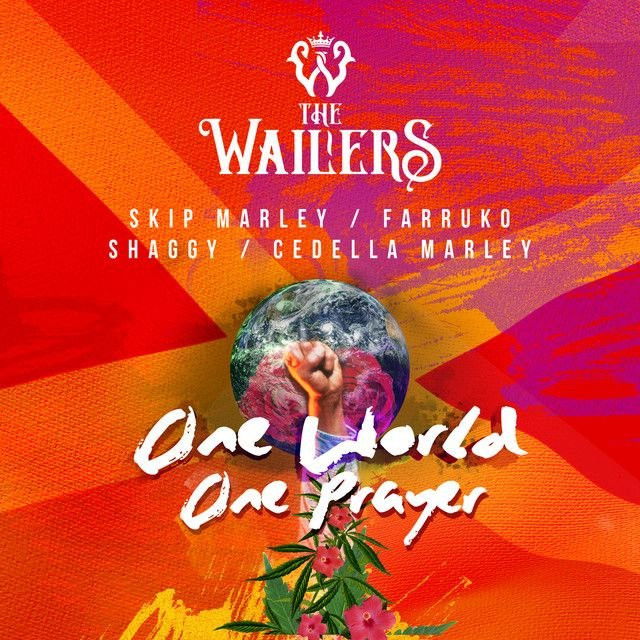
"One World, One Prayer" - The Wailers ft. Skip Marley, Farruko, Shaggy, Cedella Marley
Shaggy
Said I, said
Loading lyrics...
Unable to load lyrics
We're unable to display the lyrics at this time. Please try again later.
This is a collaboration built for reach. The Wailers bring reggae history, Shaggy brings dancehall charisma, Farruko adds Latin urban energy, and the Marley family connection gives the song a clear moral and musical lineage. That mix matters, because the song is trying to sound like a meeting place.

Watch the official One World, One Prayer
music video
What the Lyrics Are Saying Beneath the Hook
At the surface, the chorus asks listeners to remember that they live in one world
and share one prayer
. Paraphrased, the song argues that belief systems may differ, but basic human needs do not. Love, dignity, safety, and peace belong to everyone.
The key line about how some things have to change
pushes the song beyond a feel-good anthem. It suggests that unity is not just a mood. It requires behavior to shift. The writers point toward everyday choices: how people judge others, how they handle conflict, and whether they keep feeding hate.
Another important lyric idea appears in the mirror image. The song tells listeners to examine themselves first. That moment turns a giant social message into a personal one. Before fixing the world, they must face who they are and how they treat other people.
The Verses Move From Reflection to Action
The song’s structure helps its meaning land. It starts broad, then becomes practical. One verse reminds people that life changes quickly, so they should show affection while they can. Another questions why people only notice what fits their bias. That complaint about selective sight and hearing is one of the song’s sharpest lines.
Why people see what they wanna see?
Why people hear what they wanna hear?
This brief passage sums up the song’s conflict. The problem is not only politics or religion. It is human stubbornness. People often protect their own viewpoint and stop listening. In that sense, the song treats hate as a habit of perception.
The Sky, the Mirror, and the Family Image
Several repeated images tie the song together:
- The mirror suggests self-checking.
- The blue sky suggests a shared human home.
- Family language suggests emotional closeness across borders.
When the lyric says the sky covers everyone like a shared skin, it makes sameness physical. That image is simple but powerful. It says difference exists, but a larger truth exists too: everyone lives under the same cover.
Farruko’s Spanish section expands that idea with una familia
and un solo corazón
. Even without translating every word, the meaning is clear. He frames unity as family, nation, and celebration at once. That gives the song a cross-cultural warmth instead of a lecture-like tone.
Why the Sound Matters as Much as the Words
The production carries the message well. The rhythm sits in a reggae base, but it opens into pop brightness, dancehall bounce, and tropical Latin movement. That blend mirrors the song’s thesis: different voices can share one groove.
The Wailers have long stood for reggae as both protest and healing. Their historical connection to Bob Marley makes any song about unity feel part of a larger tradition. In that tradition, spiritual language and political hope often sit side by side. This track follows that path, but in a polished, crossover format suited to a wide audience.
Shaggy’s vocal presence adds lift and approachability. Farruko brings motion and street-level energy. Cedella Marley and Skip Marley connect the song to the Marley legacy of social conscience. According to the official credits, the listed writers include Carlos Efren Reyes Rosado, Emilio Estefan, Franklin Martinez, Marcos G. Perez, and Nicolas Tovar, which helps explain the song’s multilingual, multinational feel.
A Song About Unity That Avoids Preaching
One reason the track works is that it balances warning with pleasure. It asks listeners to forget about the hate
, but it also invites dancing, celebration, and release. That matters. The song does not imagine peace as silence or strict seriousness. It imagines peace as joyful participation.
This is where the production and the lyrics meet. The groove says togetherness can feel good, not just correct. The song wants moral change, but it knows people often hear hard truths better when they arrive through rhythm and melody.
Two Strong Interpretations
Interpretation: The clearest reading is that this is a universal peace anthem. It speaks against racism, tribalism, and social hostility. The repeated prayer image suggests hope, humility, and shared moral responsibility.
Interpretation: A second reading is that the song is also about media noise and public judgment. Farruko’s section warns people not to live by gossip or outside opinion. In that reading, unity begins when people stop performing for approval and start living with compassion.
Why the Collaboration Itself Is the Message
The most convincing part of the meaning of One World, One Prayer The Wailers, Skip Marley, Farruko, Shaggy, Cedella Marley may be the lineup itself. Artists from reggae, dancehall, and Latin pop are not just singing about unity. They are demonstrating it. The song becomes a small model of the world it wants.
That does not make it a deep political blueprint. It is more like a musical appeal: look at one another honestly, choose love fast, and remember how little time people get. Its simplicity is part of its design.
Final Take
"One World, One Prayer" is about shared humanity, personal responsibility, and the urgent need to replace hate with love. Its lyrics stay broad on purpose, while its blended sound makes that message feel open to many communities.
That broadness may strike some listeners as idealistic, but the song knows that idealism has a place. In reggae tradition, hope is not weakness. It is resistance.
Disclaimer: This article offers interpretation based on the lyrics, credits, and musical context. As with any song, listeners may hear meanings that differ from this reading.







