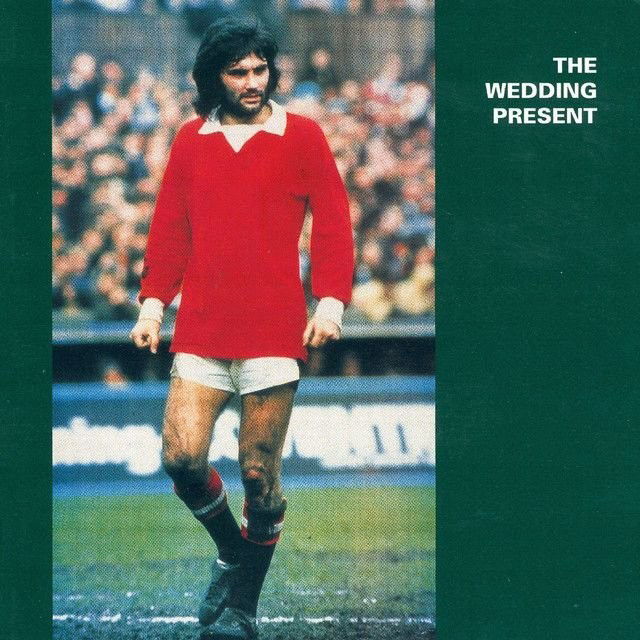
Why 'My Favourite Dress' Still Cuts Deep
The meaning of My Favourite Dress The Wedding Present comes down to one painful idea: love does not usually end in one clean moment. It falls apart through jealousy, delay, humiliation, and the small objects left behind. David Gedge writes that collapse with unusual detail, turning one night out into a larger picture of romantic damage.
"My Favourite Dress" - The Wedding Present
I know how you both feel,
The hurt can rule the head,
Loading lyrics...
Unable to load lyrics
We're unable to display the lyrics at this time. Please try again later.
The song, written by Gedge and released by The Wedding Present in the late 1980s, fits the band’s reputation for sharp, guitar-driven songs about messy relationships. Factually, Gedge is the band’s principal songwriter, a point widely noted in band histories and discographies such as AllMusic and Discogs. That context matters: they often paired bright, fast indie-pop with lyrics full of doubt and hurt.
A Breakup Song Built From Aftermath
At the center of the song is a narrator who seems to know a relationship is already damaged, even before the final insult arrives. Early on, they admit that some things do not need to be spoken aloud. The emotional truth is already visible. When the song mentions jealousy
as part of love, it does not praise possessiveness. Instead, it suggests how easily intimacy can turn sour.
That helps explain the repeated idea that there is always something left behind
. In plain terms, relationships leave residue. It can be emotional, like regret, or physical, like objects, places, and habits. The refrain is simple, but it carries the song’s whole argument: even when people try to move on, traces remain.
Watch the official My Favourite Dress
music video
The Story They Tell, Step by Step
One reason the song hits so hard is that it tells a clear mini-story. Rather than giving abstract sadness, it lists moments that feel lived in.
A night that keeps going wrong
The narrator sketches a night of waiting, drinking, and disappointment. There are practical details—missed meetings, empty time, bad weather, and a ride with someone else—that make the heartache feel ordinary and therefore believable. The line about the pouring rain
adds a classic image of misery, but it works because it is tied to the failed evening, not just mood.
Humiliation arrives in one image
The emotional climax comes with the sight of a stranger's hand
on my favorite dress
. That image matters because it is intimate, jealous, and oddly specific. The dress is not just clothing. It is memory, attachment, and private history. Seeing another person touch it means seeing the relationship replaced in real time.
That was my favorite dress you know
That was my favorite dress
This is the song’s one direct outburst. After so much scene-setting, the repeated statement sounds almost childish in its simplicity, which is exactly why it hurts. The speaker cannot make sense of the whole betrayal, so they cling to one object and one fact.
Why the Dress Matters So Much
Interpretation: the dress works as a symbol of shared intimacy. It is “favorite” not because of fashion alone, but because it belongs to a private world the narrator thought they knew. Once that world is breached, the object becomes proof that nothing is safe from change.
There is also a classically British indie strength in using concrete details instead of grand speeches. Uneaten food, long walks, rides home, and one item of clothing say more than a dramatic declaration could. The song understands that heartbreak often becomes attached to random details. People do not just remember the breakup; they remember the chair, the street, the coat, the dress.
How the Music Sharpens the Meaning
The Wedding Present were known for rapid, jangling guitars and nervous momentum, and this song uses that style well. Even without quoting reviews, their broader sound is documented across sources like BBC Music and AllMusic. The key effect is contrast: the music often feels brisk and bright while the lyrics describe emotional erosion.
That contrast is central to the song’s meaning. The guitars do not sit still long enough for calm reflection. They push forward, almost like anxious thoughts spiraling after a bad night. The vocal delivery, meanwhile, sounds conversational rather than theatrical. That understatement makes the pain more convincing. They do not sound like they are performing heartbreak; they sound trapped inside it.
The Chorus as Emotional Evidence
The recurring idea that something remains after love is gone turns the whole song from diary entry into theme. This is not only about one jealous scene. It is about how relationships keep marking people after they end.
Interpretation: the song suggests that memory is not noble or healing here. It is clutter. The leftovers are not treasured souvenirs. They are reminders that stop clean closure from happening.
That reading also explains the title. “My Favourite Dress” sounds sweet at first, but in the song it becomes almost bitterly possessive. The phrase reveals how grief can shrink a person’s world. Instead of arguing philosophy, they focus on the one thing they cannot unsee.
Why the Song Still Connects
For many listeners, the appeal lies in how specific and familiar it feels. The narrator is not a hero. They are wounded, jealous, self-aware, and a little pathetic. That honesty gives the song durability. It captures the embarrassing side of heartbreak, not just the poetic side.
So the meaning of My Favourite Dress The Wedding Present is not merely that someone got dumped. It is that love leaves evidence everywhere, and sometimes the smallest image carries the biggest shock. The song turns one humiliating moment into a lasting study of memory, jealousy, and emotional leftovers.
Disclaimer: This interpretation is based on the lyrics, performance, and known context around The Wedding Present. As with most songs, listeners may reasonably hear different meanings in its details.







