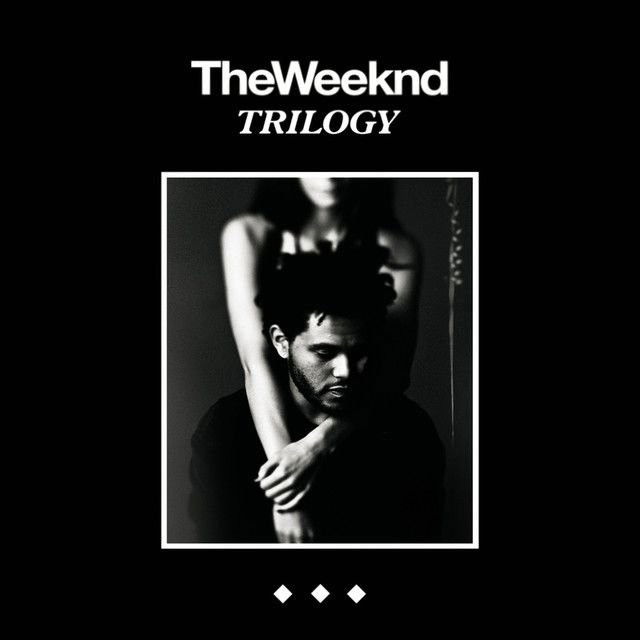
Initiation by The Weeknd
A Dark Welcome Into the House of Echoes
The meaning of Initiation The Weeknd centers on a brutal idea: affection is treated like a test, and entry into the singer’s world comes at a cost. On the surface, the song describes a night of drugs, sex, and peer pressure. Under that surface, it sounds like a warning about a scene so damaged that intimacy has been replaced by endurance.
"Initiation" - The Weeknd
Got you drinking out them white cups, sodas
All this shit sounds foreign to you, thick smoke, chokin'
Loading lyrics...
Unable to load lyrics
We're unable to display the lyrics at this time. Please try again later.
Released on the 2011 mixtape Echoes of Silence, the track fits the early Weeknd persona perfectly. Those early songs often lived in a space of after-hours excess, emotional vacancy, and moral blur. “Initiation” may be one of the clearest examples because it does not romanticize the party. It makes the room feel claustrophobic, ugly, and spiritually empty.

Watch the official Initiation
music video
What the Song Is Really About
At its core, the song presents a narrator who tells someone that if they want closeness, they must survive his environment first. The key line of thought arrives in the repeated challenge, I got a test for you
. That phrase turns romance into a trial. Love is not offered freely; it is framed as a gatekeeping ritual.
The next condition is even more revealing: meet my boys
. In plain terms, the narrator suggests that joining him means facing not just him, but his whole circle and lifestyle. This is why the song feels colder than a standard seduction track. It is less about connection than submission to a code.
Interpretation: The title “Initiation” suggests entry into a private club, but the club is toxic. The person being addressed is not being welcomed with care. They are being measured to see whether they can tolerate chaos, degradation, and emotional numbness.
The Story Unfolds Like a Pressure Test
The verses move like stages of one long night:
- The narrator introduces the setting: drinks, smoke, and disorientation.
- He tells the woman to get used to the rules of the room.
- He raises the emotional stakes by tying access to his heart to this “test.”
- The night grows more disturbing as the body begins to feel the cost.
- By the end, the party sounds less exciting than trapped.
One of the song’s most telling details is how ordinary boundaries break down. Time disappears, judgment weakens, and the room becomes its own system. When the song mentions ideas like not needing clocks or the sky, it paints a sealed world cut off from reality. That matters because the whole experience feels designed to erase perspective.
You say you want my heart
Well, baby you can have it all
There's just something that I need from you
Those lines summarize the trap. The promise sounds total, but it comes with a hidden condition. The offer of love is really leverage.
The Chorus Turns Desire Into Control
The hook is catchy, but its message is harsh. The narrator says that if this person wants him, they must adapt to his world rather than ask him to change. That is why the chorus feels manipulative. It presents emotional access as a prize while quietly demanding surrender.
Another short phrase, we can make you right
, deepens that tension. On its face, it sounds helpful. In context, it is chilling. It implies that the woman is not “right” until she accepts the group’s behavior, substances, and values.
Interpretation: This may be one of the song’s darkest ideas. The narrator acts like he is offering belonging, but he is really asking someone to lose part of themselves.
Images of Numbness, Not Pleasure
The song uses party imagery, but the details point to physical and emotional damage. Red eyes, grinding teeth, trouble sleeping, and slowed heart rate all suggest a body pushed too far. Even when the narrator sounds confident, the imagery points to decline.
That is important for understanding the meaning of Initiation The Weeknd. The song is not simply saying nightlife is wild. It shows a scene where pleasure has become mechanical and where people keep going because they do not know how to stop.
The phrase ride it out
captures this mood well. It is not about joy. It is about surviving the aftermath until the body settles. That makes the song feel less glamorous and more desperate.
How the Sound Carries the Meaning
Production is a huge part of the song’s impact. The track, credited to The Weeknd’s early creative circle and built on warped, eerie R&B textures, sounds unstable by design. Their vocals are heavily pitched and layered, making the main voice feel less human and more predatory. The beat lurches instead of flowing, which adds to the sense that the room is spinning.
According to credits listed on The Weeknd’s official release pages, “Initiation” was written by Abel Tesfaye, Carlo Montagnese, Georgia Anne Muldrow, and Martin Wong. That mix of writers helps explain the song’s strange shape: part narcotic slow jam, part horror scene.
The production also mirrors the lyrics’ power dynamics. Sounds fade in and out like blurred memory. Background voices feel like a crowd closing in. Instead of opening up emotionally, the music corners the listener.
Artist Context Makes It Harsher
In the early Weeknd mixtape era, many songs explored excess from inside the party rather than from a safe distance. “Initiation” stands out because it strips away almost any fantasy. If other songs in that era can sound seductive, this one sounds like the cost of seduction after the thrill has rotted.
That context matters. The song helped build The Weeknd’s early reputation for turning alternative R&B into something colder, more nocturnal, and more psychologically messy. It is not just a song about a bad night. It is part of a larger portrait of fame, appetite, and emptiness before mainstream polish softened the edges.
Final Reading: A Ritual With No Reward
The strongest reading of “Initiation” is that it dramatizes toxic access. The narrator treats love like a prize, but everything around that promise points to emotional ruin. He is not inviting someone into safety. He is asking whether they can endure damage and still call it devotion.
That is why the song lingers. It is less about rebellion than corrosion. Beneath the party talk is a bleak question: what happens when a person confuses being wanted with being used?
Disclaimer: This interpretation is based on the lyrics, production, and known career context. Like most art, the song can support more than one reading.








