Why 'Rolling Stone' Feels Like a Warning
The heart of the song
The meaning of Rolling Stone The Weeknd comes down to a hard promise: they can offer attention and honesty right now, but not safety. The song sounds romantic on the surface, yet it keeps undercutting that feeling. The speaker reaches for closeness while also admitting they are unstable, numb, and already in motion.
"Rolling Stone" - The Weeknd
Yeah, yeah, yeah, oh
Now you're thinkin' 'bout it
Loading lyrics...
Unable to load lyrics
We're unable to display the lyrics at this time. Please try again later.
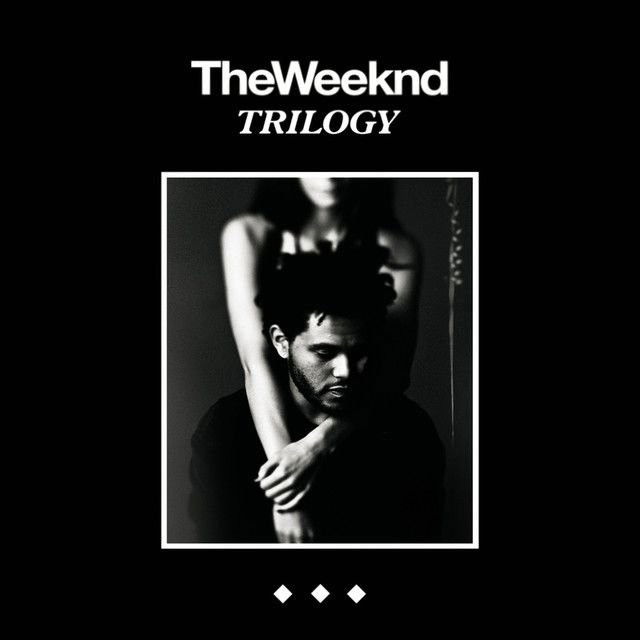
Released in 2011 as a promotional single from Thursday and later remastered for Trilogy, the track sits early in The Weeknd’s rise, when mystery, addiction imagery, and emotional distance were central to the project’s identity. It was written by Abel Tesfaye, Doc McKinney, and Illangelo, who also produced it. Those credits and release details are widely documented in reference sources and Trilogy notes.

Watch the official Rolling Stone
music video
A love song that refuses to pretend
What makes the song hit so hard is that it does not sell a fantasy. The speaker tells a partner that fame is coming, and that fame may change the relationship. That confession gives the song its tension.
They want affection before outside attention takes over. In that sense, the plea love me
is less sweet than desperate. The idea is not “we will last forever.” It is more like: stay close while this version of me still exists.
That explains why the title matters. A rolling stone does not settle. The phrase suggests someone who keeps moving, cannot build a home, and may leave damage behind without meaning to.
Who the speaker seems to address
One person, but maybe also the audience
On the literal level, the song addresses a romantic partner. The speaker says I got you
and keeps returning to that assurance, as if trying to calm fear before it fully forms.
But there is a second layer. Several critics have read the track as a message to fans during a turning point in The Weeknd’s career. Highsnobiety described it as an open letter about artistic growth and the hope that listeners would follow him. That reading fits the lyrics about recognition arriving without solving inner emptiness.
This double meaning became even clearer around the song’s video. In a brief written note discussed by NME, The Weeknd said the dim studio represented two worlds: mainstream and underground, and that the woman holding him represented the viewer. That comment does not erase the romantic reading. It widens it.
The key tension: recognition without belonging
One of the sharpest ideas in the song is that public attention does not heal private alienation. The speaker says recognition is happening, but it is not enough
. That line is the emotional center of the track.
They present success as something strangely hollow. Even while being seen, they still feel homeless in a deeper sense, like they do not belong anywhere stable. This is classic early Weeknd territory: nightlife, access, and desire are everywhere, but peace is missing.
Interpretation: the song suggests that fame does not create identity. It only makes an already fragile self more exposed.
Drugs, drift, and the rolling image
The song also ties emotional instability to intoxication. The phrase getting faded too long
turns drifting into a lifestyle. The title phrase then links that haze to motion: if they stay numb long enough, they become impossible to hold onto.
Billboard once noted that the song plays with the “rolling” metaphor in more than one way, including drug slang. That matters because the lyrics do not describe substances just for shock. They use them to show a mind wearing itself down.
Until you're used to my faceAnd my mystery fadesI got you
This brief chorus passage captures the fear underneath the cool surface. The speaker knows mystery is temporary. Once the thrill fades, the relationship may, too.
How the chorus changes the meaning
At first, the chorus sounds comforting. The repeated promise seems loyal. But repetition changes its effect. Each return to I got you
feels a little less certain, because the verses have already explained why they may not be dependable.
That is why the song feels like a warning disguised as reassurance. The speaker is trying to be fair. They are not lying about their flaws. Yet honesty alone does not make them safe.
Interpretation: the chorus is not a vow of permanence. It is a temporary contract: they can be present now, but change is already on the way.
Why the production matters so much
The production by Doc McKinney and Illangelo helps sell that uneasy balance. The track is spare, slow, and hazy, with lots of open space around the vocal. Instead of a huge beat drop or dramatic climax, it leans on atmosphere.
That choice mirrors the lyric. The emptiness in the arrangement feels like the emptiness the speaker describes. Their voice floats rather than lands, which makes the promises sound fragile. Even the melody feels tired, as if it is carrying the weight of too many nights without rest.
This is one reason the song remains important in The Weeknd’s catalog. It captures the early mixtape era when intimacy and menace lived in the same room.
Why listeners still return to it
Part of the song’s staying power is that it predicts a career arc. The speaker wonders what happens when more people start watching, listening, and wanting something from them. Looking back, that anxiety feels almost prophetic.
Listeners also connect with its emotional honesty. Many songs about fame make success sound glamorous. “Rolling Stone” treats it as a force that can blur love, identity, and self-control. That makes the track feel human, not just stylish.
Final takeaway
The meaning of Rolling Stone The Weeknd is about being loved at the exact moment someone fears they are becoming unreachable. It is a song about attachment during transition: before fame fully hits, before mystery disappears, and before a damaged person drifts too far to stay.
It offers tenderness, but it never promises comfort. That honesty is what gives the song its lasting sting.
Disclaimer: This interpretation mixes documented context with informed reading of the lyrics and sound. Song meaning can vary from listener to listener.








