Why 'Behind Blue Eyes' Still Hurts
The meaning of Behind Blue Eyes The Who starts with a contradiction: the singer wants sympathy, but they also admit they are not innocent. That tension is why the song still feels human more than 50 years later. It is a confession, a plea, and a warning at the same time.
"Behind Blue Eyes" - The Who
To be the bad man
To be the sad man
Loading lyrics...
Unable to load lyrics
We're unable to display the lyrics at this time. Please try again later.
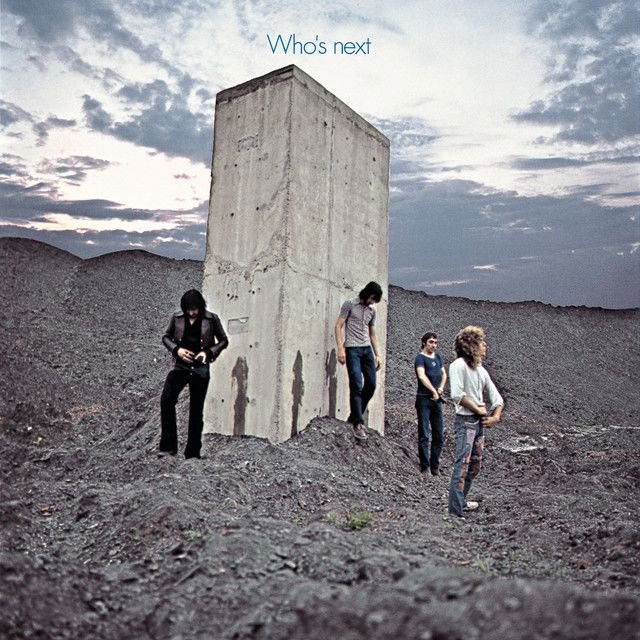
The track appeared on Who's Next in 1971 and was written by Pete Townshend for the abandoned Lifehouse project, where it belonged to a villain named Jumbo, according to available background on the song's history. That detail matters because it frames the lyrics as the voice of someone who feels misread by the world while also carrying real darkness inside.
A Lonely Voice With Something to Hide
The song opens with extreme emotional isolation. When the narrator says no one knows
, they are not simply asking for comfort. They are building a wall between themselves and everyone else.
That wall is reinforced by phrases like the bad man
and the sad man
. The song does not present the speaker as a pure victim. Instead, they seem to know they are feared, disliked, or morally compromised. The famous image of behind blue eyes
turns that conflict inward: people can see the face, but not the pain, shame, or rage behind it.
Interpretation: This is part of what makes the song so strong. It is about hidden suffering, but it is also about the stories people tell themselves to survive their own behavior.

Watch the official Behind Blue Eyes
music video
The Chorus Turns Pity Into Unease
The chorus deepens that mixed feeling. The singer says their dreams are not empty, even if their conscience seems hollow. In plain terms, they still have desires and inner life, but they also know something in them has gone wrong.
Then comes one of the song's sharpest ideas: My love is vengeance
. That line changes everything. It suggests that what the speaker calls love may actually be resentment, payback, or wounded pride.
So the song is not just about sadness. It is about what sadness can become when it hardens. The narrator wants understanding, but they may also want someone to blame.
From Private Pain to Dangerous Anger
One reason listeners keep returning to this song is the way it moves from quiet confession into open threat. The gentler verses make the narrator sound vulnerable. Then the bridge introduces self-control as a daily struggle.
When my fist clenches, crack it open
Before I use it and lose my cool
Those lines are not casual. They show someone asking for help before anger becomes action. The speaker knows violence is possible. They are asking another person to intervene, almost like a prayer.
That origin fits what has been reported about Townshend writing the song after resisting temptation on tour and beginning with words shaped like a private prayer. Even without that backstory, the lyric feels like a moment of alarm: the singer understands their own danger and does not fully trust themselves.
Why the Sound Matters So Much
The arrangement helps explain the song's meaning as much as the words do. It begins with voice and acoustic guitar, soft and exposed. That stripped-down opening makes the singer sound isolated, almost trapped in their own head.
Then the full band expands the song into a heavier rock section. The drums and electric guitars do not just add power; they release pressure. It sounds like emotion that can no longer stay buried.
This contrast is central to the meaning of Behind Blue Eyes The Who. The calm sections suggest reflection and loneliness. The louder section suggests anger, impulse, and the risk of losing control. Roger Daltrey's vocal performance also matters here. They deliver the early lines with restraint, then push harder as the emotional mask slips.
Artist Context Gives the Song Another Layer
Townshend later explained that the song came from the point of view of the Lifehouse villain, a man forced into that role even though he felt he was good. That does not excuse the character, but it makes the song more interesting. It is about the gap between self-image and public image.
Song history sources also connect the lyric to Townshend's own pressure, frustration, and alienation during The Who's peak years. That means the song works on two levels:
- As a character study of a troubled outsider.
- As a personal expression filtered through fiction.
That blend helps explain why the song feels so specific and so open to listeners. It is theatrical, but it never sounds fake.
The Most Useful Way to Read It
A simple reading is often the best one: this is a song about a person who feels unseen, but who also knows they carry bitterness and aggression. They want compassion, yet they are not easy to trust.
Interpretation: The brilliance of the song is that it refuses to clean that up. It does not turn the narrator into a hero or a monster. It leaves them in the uneasy middle, where loneliness and menace can exist together.
That is why the song still lands today. Many songs describe heartbreak. Fewer admit that pain can twist into blame, self-pity, or revenge.
Final Thought Behind the Eyes
In the end, "Behind Blue Eyes" is less about eye color than emotional concealment. It asks listeners to look past the surface, but it also warns that what they find may not be gentle.
That tension is the heart of the song, and the reason it remains one of The Who's most haunting recordings.
Disclaimer: This interpretation combines documented song history with critical reading of the lyrics. As with most great songs, listeners may hear meanings beyond the artist's stated intent.









