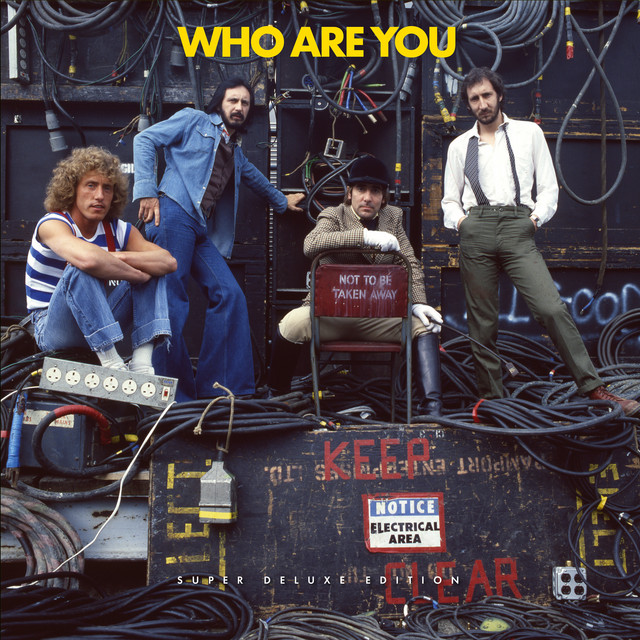
Who Are You by The Who
The meaning of Who Are You The Who starts with a messy morning and opens into a bigger identity crisis. On the surface, the song follows a dazed narrator after a long night in London. Under that story, it asks a deeper question: when fame, routine, and exhaustion strip away the performance, who is left?
"Who Are You" - The Who
Who, who, who, who?
Who are you?
Loading lyrics...
Unable to load lyrics
We're unable to display the lyrics at this time. Please try again later.
Written by Pete Townshend and released in 1978 as the title track of Who Are You, the song arrived late in a turbulent decade for the band. It was also the last Who album released before drummer Keith Moon’s death, which gives the track even more weight in hindsight. The song is widely documented as one of the band’s signature late-period statements, pairing self-doubt with arena-sized force.
A Hangover Song With Bigger Stakes
The verses set the scene with street-level detail. The narrator wakes in a city doorway, is recognized by a policeman, and drifts back through public spaces feeling embarrassed, worn down, and detached. When they describe waking in a Soho doorway
, the image is not glamorous. It cuts against rock-star myth and shows someone reduced to confusion and exposure.
That matters because the song never treats the scene as just a wild anecdote. The physical aftermath of the night becomes a symbol of emotional burnout. The narrator is not only hungover; they seem spiritually drained, stuck between public recognition and private emptiness.

Watch the official Who Are You
music video
The Chorus Turns the Story Inward
The famous hook sounds simple, but it does several things at once. When the song asks Who are you?
and then adds I really wanna know
, it can sound like a stranger challenging the narrator. It can also sound like the narrator speaking to themselves.
Interpretation: That double meaning is the core of the song. The question is external and internal at the same time. The narrator is known enough that a policeman recognizes them, yet they still seem unsure of their own identity. Public fame has not solved the private problem.
The harshest moment in the chorus pushes that idea further. The anger in the phrasing suggests that this is not a calm search for wisdom. It is a frustrated demand, as if the narrator has run out of patience with their own image, routine, or decline.
A Story About Fame, Work, and Exhaustion
One of the sharpest lines in the song points to labor rather than pleasure. After the night out, the narrator looks back on the day and feels trapped by the grind. The mention of Eleven hours in the tin pan
points to songwriting and music-business work, not escape.
That detail gives the song its bite. This is not only about partying too hard. It is about the cycle around celebrity: perform, create, socialize, collapse, repeat. The narrator feels like a public figure and a worn-out worker at once.
Interpretation: In that sense, the song may be Townshend questioning the role he had to keep playing. The title asks about identity, but the verses ask whether success has turned life into a script.
The Clown Image Says a Lot
Another revealing phrase is a dying clown
. The image is bleak and theatrical at the same time. A clown exists to entertain, but here the entertainer feels depleted, almost tragic.
That metaphor fits The Who’s history. By the late 1970s, they were one of rock’s biggest bands, but also a group carrying strain, expectation, and internal wear. The clown image suggests a performer whose public role no longer protects them from pain.
How the Sound Carries the Meaning
Musically, the track makes the identity crisis sound enormous. The opening synthesizer pattern feels mechanical and restless, like a mind stuck in loops. Then the full band enters with force, giving the song both momentum and tension.
Roger Daltrey sings the chorus like a challenge, not a meditation. His delivery is big enough for a stadium, yet the emotion feels cornered rather than triumphant. Keith Moon’s drumming adds urgency and instability, while John Entwistle’s bass grounds the song so it never flies apart.
That contrast is key to the meaning of Who Are You The Who. The arrangement is powerful, but the person inside it sounds shaken. The music sells confidence; the lyrics question whether that confidence is real.
Why the Song Still Connects
Part of the song’s lasting power is that listeners do not need to be rock stars to understand it. Many people know the feeling of waking up after a bad decision, replaying the day before, and wondering how they became this version of themselves.
The song also captures a common modern tension: being recognized, labeled, or defined by others while feeling unknown to oneself. Even without the celebrity angle, that emotional split is easy to relate to.
Final Answer to the Question
So, what is "Who Are You" really saying? At its heart, it is a song about a person whose outer identity has stopped making sense to their inner life. The city, the hangover, the job, and the chorus all point to the same conflict: the self has become hard to recognize.
That is why the hook lasts. It is catchy, but it is also unsettling. The question never gets fully answered.
Disclaimer: This interpretation is based on the lyrics, performance, and known band context. As with most classic songs, listeners may hear meanings beyond any single reading.









