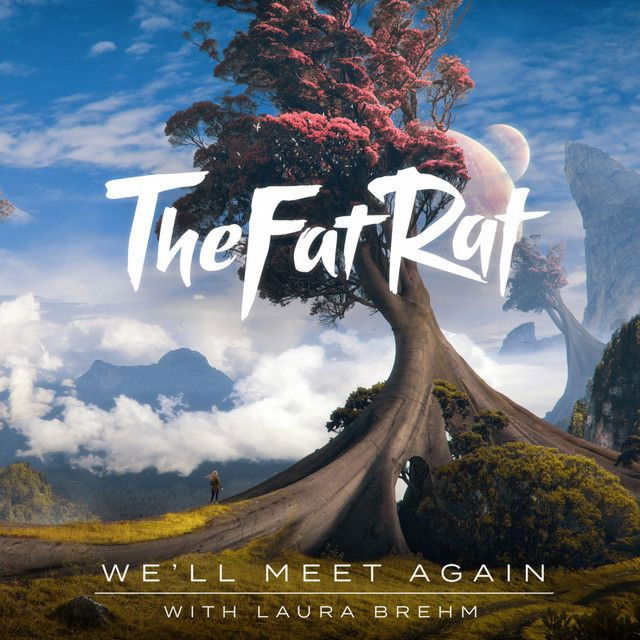
Why "We'll Meet Again" Feels So Hopeful
The meaning of We'll Meet Again TheFatRat, Laura Brehm comes down to a simple but powerful idea: love can survive separation. The song opens in shock, with the narrator realizing someone is gone and the world no longer feels stable. From there, it becomes a promise to keep going until reunion is possible.
"We'll Meet Again" - TheFatRat, Laura Brehm
I turn around and everything has changed
Looking for a way to work it out
Loading lyrics...
Unable to load lyrics
We're unable to display the lyrics at this time. Please try again later.
That is why the track feels bigger than a standard breakup song. It can fit grief, distance, or any painful absence where memory becomes a lifeline. The words stay broad enough for listeners to place their own story inside them.
The Heart of the Song: Loss Without Surrender
At its core, the song describes a person trying to live after a deep separation. Early lines present that rupture plainly through the idea that someone is suddenly missing and "everything has changed." The speaker is not calm or fully healed. They are searching for direction and trying to find peace.
Still, the song refuses despair. Its emotional center is the repeated vow we'll meet again
. That phrase gives the whole track its shape. Instead of treating absence as the end, it treats absence as a hard middle.
Interpretation: Many listeners hear this as a song about grief after death. The reference to silence, memory, and carrying on alone supports that reading. But it can also describe long-distance separation, the end of a relationship, or even a friendship interrupted by time.

Watch the official We'll Meet Again
music video
The Story the Lyrics Tell
Memory Anchors the Narrator
One of the song's smartest moves is its use of physical details. The remembered places, like the oak tree
and the writing on the statue
, make the bond feel real and lived-in. These are not vague feelings. They are memories tied to a world the two people once shared.
That matters because memory becomes proof. The speaker cannot reach the other person now, but they can still hold onto words, places, and promises.
Fighting Without Being a Soldier
The line I'm not a soldier
reframes struggle in emotional terms. The narrator is not in a literal war. They are in an inner battle: surviving grief, loneliness, and confusion.
Later, the image of the sword you left behind
extends that idea. The absent person seems to have passed on strength, purpose, or responsibility. The narrator now carries what the other person can no longer carry.
Why the Chorus Hits So Hard
The chorus works because it is both fragile and firm. The speaker does not know when the reunion will happen, and they do not pretend the pain is easy. But they still make a commitment.
That mix of weakness and resolve is the song's emotional hook. When they ask if the other person can be heard through the silence
, the song captures the loneliness of speaking into emptiness. Then the title answers that emptiness with hope.
Interpretation: The chorus is less about certainty than faith. The narrator chooses belief because belief is what lets them keep living.
Symbols That Carry the Meaning
The song uses simple symbols, but they do a lot of work:
- The oak tree: a meeting place, stability, roots, and shared history.
- The statue writing: memory made permanent.
- The sword: a duty or strength inherited from the missing person.
- Sunrise and blue sky: healing after darkness.
- The traveling star: guidance from afar.
These images make the song feel almost mythic. Even though the emotions are personal, the symbols suggest a larger journey from darkness into light.
How The Sound Supports the Lyrics
TheFatRat is known for melodic electronic production, while Laura Brehm often brings a soft, emotionally clear vocal style to collaborations. In this song, that pairing matters. The production gives the track lift and motion, while the vocal keeps it intimate.
The result is a balance between sadness and momentum. The beat and synth layers stop the song from collapsing into pure sorrow. At the same time, the vocal phrasing keeps the grief believable and human.
That contrast is a big reason the song resonates. It sounds like someone crying and moving forward at the same time. In emotional terms, that is exactly what the lyrics describe.
Artist Context and Collaboration
"We'll Meet Again" is credited to Christian Büttner, John Dang, Moa Pettersson Hammar, Sebastian Atas, Victor Broberg, and Victor Sjöström. Büttner is TheFatRat's real name, and the song fits his broader style of accessible, uplifting electronic music paired with emotional storytelling.
Laura Brehm's presence is important too. Her voice helps sell the song's tenderness without overdramatizing it. They deliver the words in a way that feels open rather than theatrical, which makes the message easier for listeners to enter.
A Second Reading: Not Just About Death
There is another valid way to hear the track. Instead of literal loss, the song can be heard as a story about two people whose shared dream has been interrupted. In that reading, gold, future, and the passed-down sword suggest unfinished plans rather than mourning.
That ambiguity gives the song staying power. It never locks itself into one event. It speaks to anyone who has had to keep going while carrying someone else's absence.
Why Listeners Keep Returning to It
The meaning of We'll Meet Again TheFatRat, Laura Brehm lasts because it turns pain into motion. It says grief does not erase connection. It changes its form.
For many listeners, that is comforting. The song does not deny darkness, but it insists that love, memory, and purpose can outlive it.
Disclaimer: This interpretation is based on the released lyrics, performance, and musical context. Like many emotionally open songs, it can support more than one meaning depending on the listener's experience.








