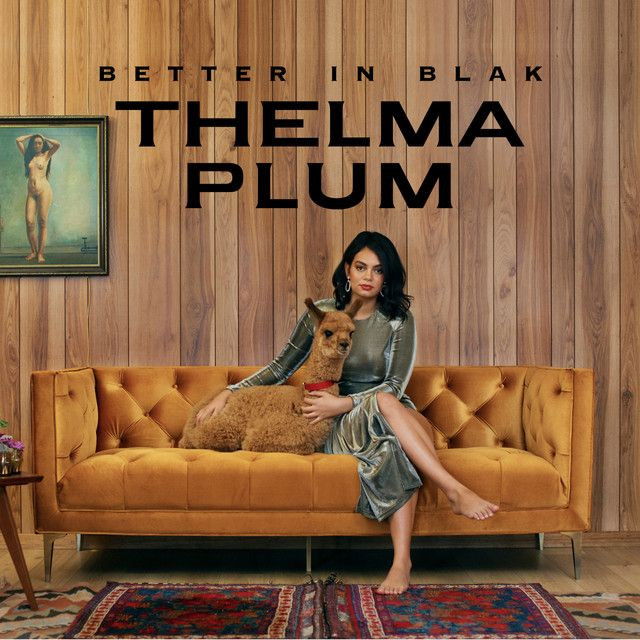
How “Better in Blak” Turns Pain Into Power
The meaning of Better in Blak Thelma Plum starts with hurt, but it does not stay there. The song begins in the middle of emotional damage: late-night calls, fights, drinking, and words meant to break someone down. From there, it grows into a statement of survival and identity.
"Better in Blak" - Thelma Plum
To get calls in the middle of the night?
Saying you're not worth it, you deserve it
Loading lyrics...
Unable to load lyrics
We're unable to display the lyrics at this time. Please try again later.
Thelma Plum, a Gamilaraay singer-songwriter, released the track on her 2019 Better in Blak album. That context matters. The song is not only about one bad relationship or one cruel argument. It also speaks to racism, colorism, and the pressure to stay quiet when someone is being harmed.
The Wound at the Center of the Song
At the most direct level, the song describes someone being verbally attacked and pushed toward self-doubt. The opening images are harsh and specific. Phrases like middle of the night
and have another drink
suggest a cycle of manipulation, chaos, and emotional exhaustion.
The speaker is being told they are worthless, and the song shows how abuse can sound almost casual. That is part of what makes the verses so unsettling. The insults are repeated so often that they start to feel like background noise.
But the song refuses to normalize that treatment. When Plum asks whether the listener knows what that feels like, they are not searching for pity. They are forcing recognition.

Watch the official Better in Blak
music video
When Personal Pain Meets Racial Harm
The song becomes even sharper when it moves from private pain to race. The key line about lighter skin
changes the frame. Suddenly, the listener can hear that the damage is not just romantic or domestic. It is also social.
This part points to colorism and racism: the cruel idea that a person would be treated better, believed more, or valued more if their skin were lighter. That line gives the song its political force. It connects a personal voice to a larger system.
Interpretation: This is why the title matters so much. “Blak” is not a misspelling. In Australia, “Blak” is often used as a powerful term of Aboriginal identity and pride. So when Plum sings that they look better in black, they are reclaiming what others tried to turn into a target.
The Chorus Rewrites the Story
The chorus is the song’s turning point. The image took the colour from me
suggests that abuse and racism drained joy, confidence, and a sense of self. “Colour” here feels emotional as much as visual. It means life, brightness, and freedom.
Then comes the answer: I’ll get it back
. That promise is simple, but it changes everything. The song stops sounding trapped and starts sounding determined.
You took the colour from me
darling, I'll get it back
You took the colour from me
but I look better in black
In that short passage, loss becomes defiance. Someone tried to strip away identity, but the chorus turns blackness into strength, style, and self-definition. The line is memorable because it does two things at once: it admits injury and rejects shame.
Silence, Truth, and Refusal
One of the most important ideas in the song is the danger of silence. The speaker says that staying quiet would make them part of the lie. That is a powerful moral shift.
They are no longer only describing what happened. They are deciding to name it.
This matters because shame often works by isolating people. If a person keeps hiding and crying, the abuse stays hidden too. Plum’s lyric argues that speaking up is painful, but silence is worse.
Interpretation: That is why the profanity in the chorus matters. The blunt dismissal before the final refrain is not there for shock. It sounds like a break from politeness. The speaker is done negotiating with anyone who wants them smaller.
How the Sound Carries the Meaning
Musically, “Better in Blak” supports that emotional arc. The song sits in the space between pop and indie rock, with a clean but driving arrangement. The beat feels firm rather than delicate, which helps the words land with force.
Plum’s vocal delivery is central. They do not oversing the verses. Instead, the controlled tone makes the anger feel contained, as if the speaker has had to hold this pain in for a long time. When the chorus opens up, the melody feels wider and more public, like private hurt becoming a public declaration.
The repeated chant of look better in black
works almost like a protest slogan. Repetition turns the phrase into self-belief. The production helps that idea by making the hook feel bigger each time it returns.
According to album credits and release information tied to the 2019 ARIA coverage, the song arrived during a breakthrough period for Plum. That wider reception matters because listeners heard it not just as a personal song, but as an anthem.
Why the Song Resonated So Strongly
Part of the song’s impact comes from how clearly it balances two truths:
- someone has been wounded
- that person is still standing
- identity can be attacked and still reclaimed
That balance gives the song broad reach. Some listeners hear a song about surviving emotional abuse. Others hear a statement about Indigenous pride and resistance. Both readings can exist together because the lyric joins the personal and the political so tightly.
The Lasting Meaning of “Better in Blak”
In the end, the meaning of Better in Blak Thelma Plum is about taking back the self after it has been diminished. It is a song about racism, cruelty, and internal damage, but it is also about refusing the story others tell about who deserves worth.
Its final power comes from reversal: what was meant as an insult becomes a badge of pride. What was meant to erase color becomes a way of reclaiming it.
That is why the song still hits so hard. It does not pretend healing is neat. It simply insists that survival can speak in a stronger voice than shame.
Disclaimer: This interpretation is based on the released lyrics, public artist context, and the song’s cultural framing. As with any art, listeners may hear meanings that differ from this reading.








