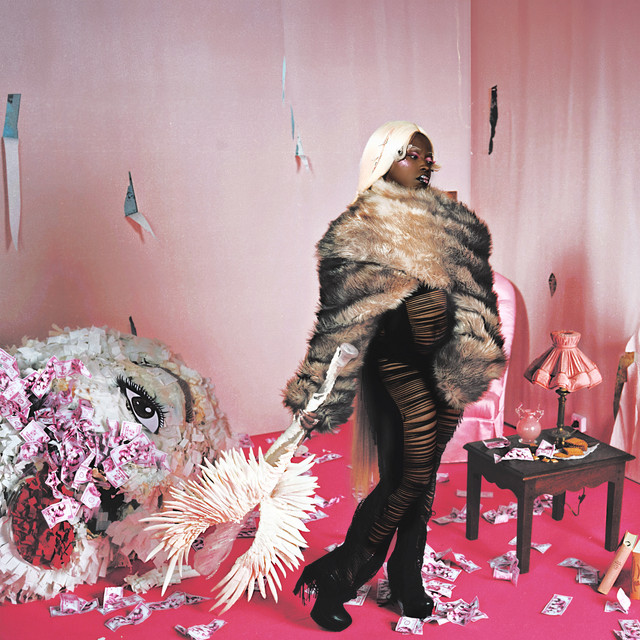
Why “Les Oiseaux Rares” Hurts So Quietly
The meaning of LES OISEAUX RARES Theodora, Juliette Armanet comes down to a painful kind of waiting: they describe someone preparing for love, truth, or closeness, only to discover that the other person may never fully arrive.
"LES OISEAUX RARES" - Theodora, Juliette Armanet
Et dis-moi c'que tu-
Dis-moi c'que tu fais quand tombe la nuit
Loading lyrics...
Unable to load lyrics
We're unable to display the lyrics at this time. Please try again later.
At its core, the song is about desire meeting absence. The speaker asks direct questions, wants a clear answer, and refuses more emotional half-truths. Even without a full narrative, the lyrics build a strong emotional scene: someone has made room for another person, hoped for them, and then watched that hope go stale.
A love song built on absence
The opening is all demand and uncertainty. The narrator keeps asking what the other person does in private moments, when bored, when night falls. That matters because they are not really asking about routine. They are asking for intimacy, honesty, and proof of feeling.
They also draw a hard line between truth and deception. When the song says there is only one truth and too many lies already, it frames the relationship as emotionally uneven. The speaker sounds tired, not dramatic. They are done making endless compromises.
That is why phrases like une seule vérité
and plus de sacrifice
matter. They point to a person who has spent too long adjusting themselves for someone else.
The nest is the song’s clearest symbol
The emotional center arrives with the image of building a home for someone who never comes. The narrator says j’ai même fait un nid
, then repeats that the birds pass by, but the expected person is jamais venu
.
This is the most important metaphor in the song. A nest is not casual. It suggests care, patience, and a future imagined in advance. They did not just wait by the phone. They prepared a place for connection.
J’ai attendu
J’ai même fait un nid
Mais tu n’es jamais venu
Paraphrased, the message is simple and devastating: they were ready, but readiness alone could not create a relationship.
Who are the “rare birds”?
The title image opens up the song’s main ambiguity. Interpretation: the “rare birds” may represent people who seem exceptional, magical, or hard to find. But the song turns that idea inside out. A rare bird can also be so distant that nobody truly knows it.
That reading becomes stronger when the lyric says the bird has never come, and that nobody has really seen it. This suggests not just absence, but near-myth. The desired person may be real, yet emotionally unreachable. They may also be an idealized version in the narrator’s mind.
The song deepens that uncertainty with images of changing skin, disguise, and predatory movement. Later lines describe crows singing and changing appearance to feed, implying that beauty and rarity can hide opportunism. In plain terms, the narrator may be realizing they were drawn to someone whose mystery was part performance.
From longing to disillusionment
One of the strongest shifts in the lyrics is from hope to collapse. Early on, the narrator is asking for answers. Later, they admit j’en ai perdu mes mots
. They have lost their words.
That is a crucial emotional detail. This is not only heartbreak; it is the failure of language after too much confusion. They can no longer explain the relationship, defend it, or even speak clearly inside it.
Another line says there is no branch left for flight. Interpretation: that image suggests they have lost both support and escape. The song is not only about waiting for someone else. It is about what that waiting does to the self.
How the sound carries the meaning
Even without overreading the production, the song’s likely power lies in repetition, softness, and vocal contrast. The repeating hook mirrors the act of waiting itself. The same thought returns, the same hope returns, and the same disappointment returns.
Theodora and Juliette Armanet are both credited as writers here, alongside Genius and Naomi, according to the information provided. That collaborative writing helps explain why the song feels both intimate and stylized: it balances personal confession with a carefully shaped central metaphor.
Interpretation: if the arrangement feels airy or suspended, that would match the bird imagery. If the vocals sound close and restrained, that would fit the emotional world too. This is not a song that needs explosive drama. Its sadness works because it stays controlled.
Two strong readings of the song
Reading one: waiting for an unavailable lover
This is the clearest reading. The narrator loves someone inconsistent, secretive, or noncommittal. They ask for honesty, create emotional space, and receive nothing solid in return.
Reading two: grieving an illusion
A deeper reading is that the song is about chasing an idea. The “rare bird” may be the fantasy of a person who never truly existed outside longing. The mention of disguise supports that possibility. What hurts is not just abandonment, but the realization that desire helped create the mirage.
Why the song lingers
The meaning of LES OISEAUX RARES Theodora, Juliette Armanet stays with listeners because it captures a very modern sadness: being emotionally invested in someone who remains unreadable. The song does not beg for love. It asks for clarity, then shows what happens when clarity never comes.
Its bird imagery makes the pain feel elegant, but the emotion is blunt. They waited. They prepared. They believed. And still, no one came.
That is what gives the track its quiet force. It understands that some of the deepest heartbreak does not come from a dramatic breakup. It comes from building a nest for a future that never lands.
Disclaimer: This interpretation is based on the lyrics provided and common symbolic readings. Song meaning can remain open, and different listeners may hear it differently.







