Why Thin Lizzy's Anthem Still Hits Hard
The meaning of The Boys Are Back In Town Thin Lizzy starts with a simple idea: a group of familiar troublemakers returns, and the whole scene wakes up. On the surface, it is a song about old friends coming back. Under that, it is about reputation, memory, and how certain people can turn an ordinary town into a stage.
"The Boys Are Back In Town" - Thin Lizzy
Them wild-eyed boys that had been away
Haven't changed, had much to say
Loading lyrics...
Unable to load lyrics
We're unable to display the lyrics at this time. Please try again later.
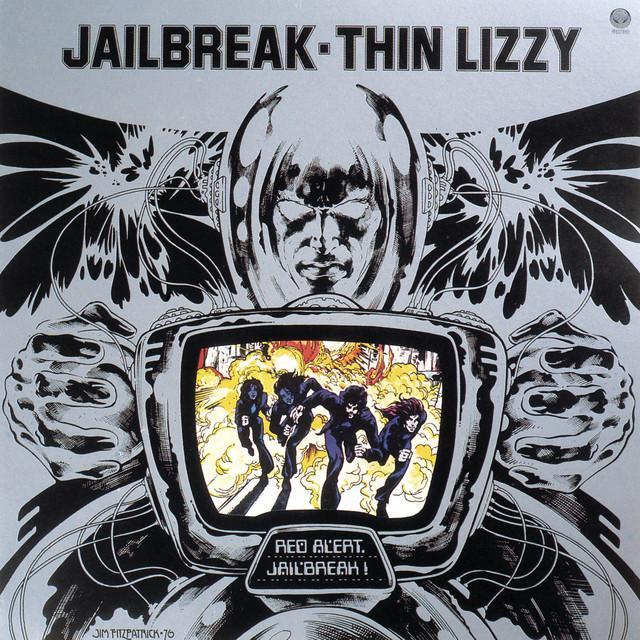
Thin Lizzy released the track in 1976 as the lead single from Jailbreak, written by Phil Lynott and produced by John Alcock. It became the band’s signature hit, reaching No. 8 in the UK and No. 12 in the U.S., helping break them to a wider American audience. It also later landed on Rolling Stone's 2021 list of the 500 greatest songs. Those facts matter because this is not just a catchy rocker—it is the song that turned Thin Lizzy into legends.
More Than a Reunion Song
The lyrics tell a story in snapshots. Someone announces that a wild bunch has returned. Then come rumors, memories, barroom scenes, and the sense that everyone already knows what kind of chaos may follow. When the chorus repeats the boys are back in town
, it sounds less like information and more like a public alert.
Interpretation: The song is really about what happens when a reputation arrives before the people do. These men are not described in deep detail, but they do not need to be. Their history fills the room for them. The town remembers the fights, the women, the clubs, and the noise.
That is why the song feels so cinematic. It sketches a whole social world with just a few details: wild-eyed boys
, downtown, a dancer everyone remembers, and nights that seem ready to spill over.
Watch the official The Boys Are Back In Town
music video
A Town Built From Rumor and Memory
One reason the song works so well is that it moves like gossip. The narrator does not give a formal speech. They pass along updates, stories, and warnings, as if talking across a bar. That storytelling voice makes the song feel alive and social.
The first verse sets up the mythology. These men have been away, but they have not changed. That matters. Their identity is fixed in local memory. The return is exciting because everyone already knows the script.
Then the song widens out. A woman from the old scene reappears in memory. A fight or public scene becomes one more story in the group’s folklore. Later, the setting sharpens around Dino's Bar 'n' Grill
and a Friday night crowd dressed to kill
. Those details make the song feel grounded, even if the exact place remains debated.
What the Chorus Really Means
The chorus is one of rock’s great hooks because it does three things at once:
- It celebrates the return.
- It warns that trouble may follow.
- It turns local characters into mythic figures.
Interpretation: The repeated title is not just about a few guys walking into town. It is about the return of a mood. Summer, noise, drinking, fighting, flirting, and old stories all come rushing back with them.
That is why even listeners who know nothing about Thin Lizzy’s background still get it. Most towns have their own version of “the boys”—the crew everyone remembers, fears, laughs at, or secretly misses.
Two Strong Readings of the Lyrics
There are at least two widely discussed readings of the song.
Road-life portrait
Many hear it as a picture of touring-band life. The bars, heat, alcohol, and threat of violence fit the rough live reputation Thin Lizzy carried in the mid-1970s. Song commentary has long connected the track to that hard-living rock world, and guitarist Scott Gorham later recalled that the song’s unexpected radio success essentially saved the band commercially in America.
Manchester memory
Another reading links the song to figures around Phil Lynott’s mother’s club scene in Manchester, often tied to stories about the so-called Quality Street Gang. Reports on that connection exist, but they remain partly unconfirmed, so it is safest to call this a plausible influence rather than a settled fact.
Both readings can be true at once. Lynott may have blended real local characters with the larger-than-life feel of band life on the road.
How the Sound Sells the Story
The music is a huge part of the song’s meaning. Thin Lizzy’s famous twin-guitar style gives the track lift, swagger, and movement. Critics have often pointed to the lead guitar work by Scott Gorham and Brian Robertson as central to the song’s power.
Phil Lynott’s vocal matters just as much. He does not oversing it. He sounds conversational, amused, and fully in control, which makes the narrator believable. They sound like someone who has seen this movie before and knows exactly what happens when these guys return.
The groove helps too. It is tight but not stiff. There is a rolling, street-level confidence in the rhythm section that makes the town feel lived-in rather than glamorous. Even the line about spread the word around
lands like a chain reaction.
Friday nightthey are coming in loud,
heading to the bar,
with drinks, heat,
and trouble close behind.
That moment captures the song’s pulse without needing every lyric. The point is not plot detail. The point is momentum.
Why It Became an Anthem
The song lasted because it turns a very specific scene into a universal feeling. People hear reunion, nostalgia, menace, confidence, and community all at once. It can soundtrack a sports arena, a party, or a movie trailer because its message is immediate: the main characters have arrived.
For U.S. listeners especially, that blend of hard rock muscle and neighborhood storytelling helped the band stand out. It felt tough, melodic, and human all at once.
The Lasting Meaning
In the end, the meaning of The Boys Are Back In Town Thin Lizzy is not just that some guys came home. It is that their return changes the emotional weather. Old stories wake up. Desire and danger come back with them. The town remembers who it used to be.
That is what Phil Lynott captured: not just people, but presence.
Disclaimer: This article mixes verified context with clearly labeled interpretation. Because Phil Lynott did not leave one definitive explanation covering every lyric, some meaning remains open to the listener.








