Why 'Cry Out To Jesus' Still Comforts
The meaning of Cry Out To Jesus Third Day is both direct and wide-reaching. Third Day built the song as a message for people in pain, but they did not limit that pain to one story. Instead, they move through grief, addiction, broken relationships, loneliness, and poverty, then bring all of it to one answer: turn toward Jesus when life feels too heavy to carry alone.
"Cry Out To Jesus" - Third Day
Long before it was their time
You feel like the days you had were not enough
Loading lyrics...
Unable to load lyrics
We're unable to display the lyrics at this time. Please try again later.
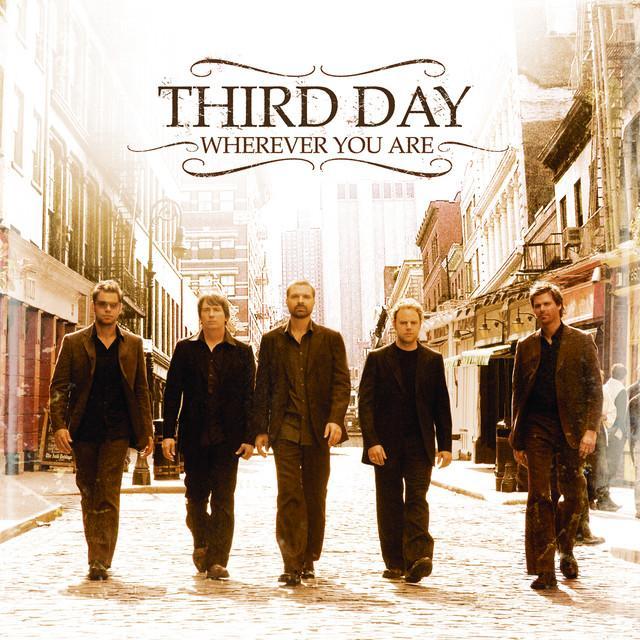
That broad reach helps explain why the song became one of the band’s best-known faith anthems. Third Day, a major act in Christian rock, released it during the Wherever You Are era, when their mix of Southern rock warmth and worship language was especially strong. The band members credited as writers are Brad Avery, David Carr, Mac Powell, Mark D. Lee, and Tai Anderson.
A Song That Speaks to Many Kinds of Hurt
What stands out first is the song’s structure. Each verse names a different kind of suffering, beginning with people who lost someone too soon. From there, it expands to burdens that make daily life feel stuck, then to marriages hanging by a thread, people trapped in addiction, widows living with silence, and children without homes.
This approach matters because the song does not treat pain as rare or unusual. It treats suffering as common and deeply human. By naming several situations, it tells listeners they do not have to qualify for compassion.
Interpretation: the song’s central idea is that spiritual help is not reserved for the “strong” or the “good.” It is offered most clearly to the exhausted, ashamed, and heartbroken.

Watch the official Cry Out To Jesus
music video
How the Chorus Turns Pain Into Promise
The chorus is the emotional center of the song. It stacks words of comfort one after another: hope for the helpless
, rest for the weary
, and love for the broken heart
. Those phrases are simple, but they are carefully chosen.
Each one answers a different fear. The helpless fear powerlessness. The weary fear they cannot keep going. The brokenhearted fear they will stay damaged forever. The chorus replies by offering hope, rest, love, grace, forgiveness, mercy, and healing.
That list is important because it makes the song feel active rather than vague. It does not just say things will somehow improve. It says help has a source and a direction.
He'll meet you wherever you are
Cry out to Jesus
Those lines carry the song’s main promise. They suggest that faith begins not with having everything fixed, but with reaching out while still in the middle of the mess.
Who They Are Singing To
Most of the lyric uses a second-person address, but the article’s key point is how Third Day position themselves. They do not sound like judges looking down on wounded people. They sound like witnesses standing nearby.
That makes the song feel pastoral. Even when it mentions shame or repeated failure, especially around addiction, it avoids scolding language. The phrase not alone in your shame
is a good example of that tone. Instead of isolating the listener, it pushes back against secrecy.
Interpretation: this is one reason the song has lasted. It offers conviction without condemnation. In Christian music, that balance is hard to achieve, and Third Day manage it with unusually plain language.
The Meaning Behind the Specific Scenes
The verses work almost like snapshots:
- sudden loss and unfinished goodbyes
- private burdens that stall a person’s life
- marriages running out of strength
- addiction cycles that keep repeating
- widowhood and global suffering
Each scene widens the song’s vision. It starts with personal grief, then stretches toward family pain, then social pain. By the end, it includes strangers across the world. That movement keeps the song from becoming narrowly autobiographical.
Interpretation: the message is not only “Jesus helps me.” It becomes “Jesus is available to every kind of human need.” That shift gives the song a communal feeling, almost like a prayer gathering many voices into one refrain.
How the Sound Carries the Message
Third Day were known for blending rock muscle with worship sincerity, and this song leans more toward comfort than grit. The tempo is steady, the arrangement is uncluttered, and Mac Powell’s voice carries a calm authority rather than dramatic flash.
That musical restraint matters. A louder or more aggressive production could have made the song feel preachy. Instead, the band lets the melody rise gradually, so the repeated call to cry out to Jesus
feels invitational, not forceful.
The repetition also mirrors prayer. In many worship songs, saying the same line again is not lazy writing; it is a way of deepening focus. Here, the repeated hook sounds like persistence, the kind of thing someone says when words run out but need remains.
Artist Context and Why It Connected
Third Day built much of their career on songs that merged everyday struggle with explicit Christian belief. This track fits that identity well. It is not abstract theology. It is practical faith language aimed at listeners dealing with real pressure.
For American audiences, especially in church and Christian radio spaces, that made the song highly usable. It could function as a worship song, a comfort song, or even a song played during moments of testimony and prayer. Its plainspoken writing helped it travel beyond one setting.
Final Take on the Song’s Message
At its core, the meaning of Cry Out To Jesus Third Day is that suffering should not drive people into silence. The song argues that grief, failure, loneliness, and need are not barriers to grace; they are often the very moments that lead people to seek it.
That is why the song still resonates. It names hard things honestly, then answers them with a steady promise of presence and mercy.
Disclaimer: This interpretation is based on the song’s lyrics, musical choices, and Third Day’s public artistic style. Like all art, listeners may hear additional meanings shaped by their own beliefs and experiences.








