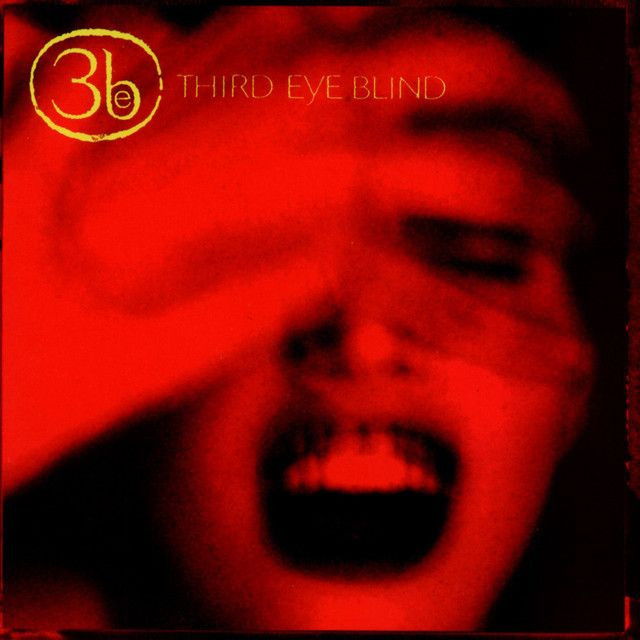
Losing a Whole Year by Third Eye Blind
Why This Breakup Song Still Cuts
The meaning of Losing a Whole Year Third Eye Blind comes down to regret. They frame the song as a bitter look back at a relationship that felt exciting, sexual, and intense at first, but later seems empty, manipulative, and wasteful. The title is the key idea: this is not just heartbreak. It is heartbreak mixed with the sick feeling of realizing time was thrown away.
"Losing a Whole Year" - Third Eye Blind
Losing a whole year
I remember you and me used to spend
Loading lyrics...
Unable to load lyrics
We're unable to display the lyrics at this time. Please try again later.
The song appeared on Third Eye Blind’s debut album in 1997 and was later released as a U.S. single in 1998. According to the song’s Wikipedia entry, Stephan Jenkins said it was about a “rich girl” and the waste left behind at the end of a relationship. That factual context matters because the lyrics do not describe a mutual split. They describe resentment, class tension, and disappointment.
Watch the official Losing a Whole Year
music video
The Story Inside the Lyrics
At the start, they remember a couple who once spent all day hiding away together. The phrase losing a whole year
sounds playful at first, almost like two people shutting out the world. But as the verses unfold, that same phrase turns into an accusation. What once looked romantic now feels like stalled life.
The speaker paints the other person as privileged and emotionally shallow. When they describe a velvet glove
, the image suggests softness on the outside and distance underneath. The song argues that money, style, and attitude have covered up a lack of real care.
Interpretation: The central conflict is not only that the relationship ended. It is that one person believes the other was performing depth rather than living it. That is why the song sounds so annoyed, not just sad.
A Narrator Who Feels Used
One of the sharpest moments comes when the speaker says they feel like being used
. That line gives shape to everything around it. They do not merely feel ignored. They feel mined for experience, truth, and authenticity by someone who wants the look of struggle without the reality of it.
This is where class enters the song. The lyrics contrast comfort and wealth with a desire to seem edgy or damaged. The other person seems fascinated by outsiders, pain, and rebellion, but the singer sees that interest as borrowed identity. In plain terms, they think this person wanted the style of hardship, not its cost.
That idea deepens the title. “Losing” the year means giving emotional labor, attention, and time to someone who never truly listened.
How the Chorus Changes Meaning
The chorus keeps circling back to memory, especially the image of spending the whole day in bed. It is one of the song’s smartest moves. The same memory can hold pleasure and disgust at once.
I remember you and me used to spend
The whole goddamned day in bed
Before and after that memory, the verses describe mistrust and decay. So the chorus works like a trap: it keeps pulling them back into the good times, even while the rest of the song insists those good times were part of the problem. The relationship was comfortable enough to hide in, but that comfort became its own kind of ruin.
Scenes of Decay and Disillusion
The middle of the song gets more physical and domestic. They mention a sink full of dishes
, a detail that turns desire into stale routine. Instead of wild connection, there is clutter, passivity, and boredom. The romance has moved from thrill to mess.
Another nasty image is the smile during a car wreck
. Whether read literally or as emotional metaphor, it suggests the speaker feels watched during collapse rather than helped through it. The other person may even seem energized by chaos.
Interpretation: That image supports a reading of the relationship as emotionally predatory. The singer believes the other person liked drama more than intimacy.
The final put-downs keep that mood. When the singer hears only medication and defensive talk, they are saying the relationship has become scripted. Every conversation feels rehearsed, guarded, and false.
The Sound: Bright, Fast, and Sour
One reason the song lands so hard is its contrast between sound and message. Musically, it is catchy and bright, with ringing guitars and strong forward motion. Critics at Spin and AllMusic praised its hook-heavy energy. That matters because the arrangement gives the pain a pop shape.
Kevin Cadogan and Stephan Jenkins wrote the song, and Cadogan later described building it from a riff that created a lush guitar sound. Produced by Jenkins and Eric Valentine, the track balances gloss and abrasion. It sits in alternative rock with a hint of shoegaze haze, which fits the theme perfectly: the surface is beautiful, but the emotional picture is blurry and unstable.
The tempo, around 108 BPM, keeps the song moving instead of sinking into self-pity. Even the unusual 11/8 measures near the solo and ending add tension. The rhythm briefly stumbles, almost like the relationship itself losing balance.
Artist Context and Reception
Third Eye Blind’s early songs often mixed sharp pop instincts with ugly emotional detail. “Semi-Charmed Life” hid darkness under a huge chorus, and this song does something similar with romantic regret. It was not as big a hit, but it still reached No. 13 on Billboard’s Alternative Airplay chart in 1998.
That reception makes sense. “Losing a Whole Year” is more sour than seductive. It gives listeners a hook, but it also asks them to sit inside contempt, embarrassment, and self-reproach.
Final Reading: What the Song Means
The meaning of Losing a Whole Year Third Eye Blind is the shock of looking back and realizing love did not just hurt; it delayed life. They present a relationship built on chemistry, fantasy, and hiding out, then strip it down until only waste remains.
Interpretation: At its deepest level, the song is about failed recognition. One person thought they were building intimacy. Later, they conclude the other person never really heard them at all.
That is why the song still resonates. Almost everyone knows the feeling of waking up after a long emotional season and asking what, exactly, all that time was for.
Disclaimer: This interpretation is based on the lyrics, documented band comments, and the song’s recorded context. Like many songs, it can support more than one reading.









