Why "Doctor! Doctor!" Feels Like Love Fever
The meaning of Doctor! Doctor! Thompson Twins comes down to one big idea: love is so strong that it feels like a physical condition. Thompson Twins turn attraction into a kind of fever dream, where desire, distance, and fantasy all blur together.
"Doctor! Doctor!" - Thompson Twins
And I thought I was only dreaming, yeah
I kissed you then, then once again
Loading lyrics...
Unable to load lyrics
We're unable to display the lyrics at this time. Please try again later.
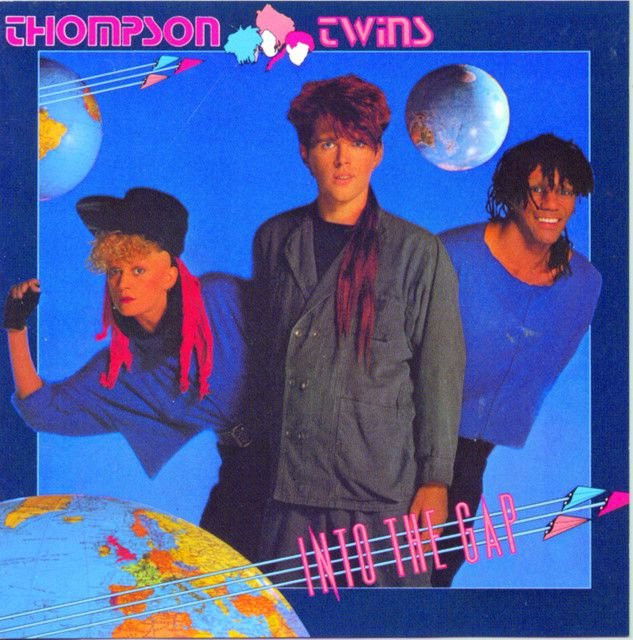
Released in 1984 as the second single from Into the Gap, the song became one of the band’s biggest hits, reaching No. 3 in the UK and No. 11 in the US, according to the research summarized from Wikipedia and Songfacts. That success makes sense. The track takes a simple pop feelingbeing overwhelmed by loveand gives it a dramatic, vivid image.
A Love Song Framed as an Emergency
At the center of the song is a speaker who is hit hard by emotion. They see someone, feel instantly changed, and do not know whether they are falling in love or losing control. The chorus makes that confusion clear with the cry Is this love Im feeling?
That question matters more than the title itself. The singer is not really asking for medical help. They are using the idea of a doctor as a metaphor, a way to describe the body-level force of attraction. Songfacts notes that Tom Bailey described the track as a semi-mystical love voyage
, which fits the song’s dreamy and theatrical mood.
Interpretation: the doctor figure is less a real person than a symbol of diagnosis. The singer wants someone to explain why desire feels so intense.

Watch the official Doctor! Doctor!
music video
From First Glance to Dream Escape
The verses tell a loose story. First comes the instant connection: one person appears, and the moment feels unreal, almost like a dream. That is why the opening leans into surprise and unreality rather than ordinary conversation.
Then the song expands into movement and escape. Phrases like dance with me
and across the sea
push the relationship out of daily life and into fantasy. Love is not just a crush here. It becomes a journey, almost a private world that two people might enter together.
Later, the mood shifts slightly. The image of ships at night
suggests brief connection and possible separation. There is beauty in that scene, but also fragility. They meet in a magical space, yet morning threatens to end it.
The emotional timeline in simple form
- A sudden sighting sparks instant desire.
- The moment feels dreamlike, not fully real.
- Romance becomes a fantasy of escape and motion.
- Separation starts to haunt that fantasy.
- The chorus turns those feelings into a feverish plea.
That structure gives the song more depth than its glossy pop surface first suggests.
Why the Chorus Hits So Hard
The most famous lines compare love to burning. When the singer says burning, burning
, the emotion sounds urgent and physical, not calm or reflective.
This is why the hook works so well. It captures the strange overlap between pleasure and panic. Falling in love can feel thrilling, but it can also feel frightening because it removes control. The chorus keeps returning to that exact tension.
Interpretation: the repeated call of Doctor! Doctor!
dramatizes vulnerability. Instead of sounding cool or confident, the speaker sounds exposed. That gives the song its human core.
Fever, Touch, and Losing the Old Self
The bridge pushes the metaphor even further. The language of fever and touch makes love sound transformative, almost like an illness that rewrites identity. When the song suggests that the person will never be the same, it turns romance into a before-and-after event.
That idea is important to the meaning of Doctor! Doctor! Thompson Twins. This is not a song about casual attraction. It is about a feeling so powerful that it changes how the speaker sees themselves.
There is also a slight surrender in these lines. Love is not presented as something they manage neatly. It happens to them. That passivity makes the song feel vulnerable, even when the production sounds bright and polished.
How the Sound Sells the Meaning
Musically, the song is built from shiny 1980s synth-pop textures. Research data identifies it as a synth-pop and new wave track with a prominent keyboard solo, produced by Tom Bailey and Alex Sadkin for Into the Gap. That matters because the sound mirrors the lyrics.
The keyboards feel airy and glowing, which supports the dream imagery. The beat keeps the song moving forward, matching the sense of emotional momentum. And the big chorus lifts the song out of private confusion and into full pop drama.
Instead of making love sound dark or painful, the production makes it feel cinematic. Even the anxiety sounds exhilarating. The result is a perfect match between theme and arrangement: emotional overload delivered as sleek, danceable pop.
Artist Context Makes the Song Clearer
Thompson Twins were in a major breakout period when this single arrived, following Hold Me Now
from the same album cycle. The band members credited as writers were Tom Bailey, Alannah Currie, and Joe Leeway, and Songfacts notes that Currie wrote the chorus idea.
That background helps explain the song’s balance. It feels personal, but it is also highly stylized. Thompson Twins were experts at turning intimate emotions into large-scale pop images. In this song, they use clouds, sea travel, fever, and eternity to make one romantic feeling seem huge.
Final Diagnosis: Desire as Beautiful Disorientation
So, what is the meaning of Doctor! Doctor! Thompson Twins? At heart, it is about the shock of falling in love so quickly and deeply that it feels like a medical crisis and a spiritual journey at the same time.
The song endures because it understands something simple and true: intense love can feel exciting, unreal, and a little frightening all at once. Thompson Twins package that idea in a bright pop anthem that still feels immediate.
Disclaimer: This interpretation is based on the lyrics, available artist commentary, and musical context. As with many pop songs, listeners may hear different meanings in the same lines.








