Why 'Hard Out Here' Hits So Uneasily
The meaning of Hard Out Here for a Pimp Three 6 Mafia, Paula Campbell starts with a contradiction. The song sounds catchy, proud, and almost funny on the surface. But underneath that hook is a grim portrait of survival, exploitation, and moral numbness.
"Hard Out Here for a Pimp" - Three 6 Mafia ft. Paula Campbell
When he tryin' to get this money for the rent (you ain't know)
For the Cadillacs and gas money spent (you ain't know)
Loading lyrics...
Unable to load lyrics
We're unable to display the lyrics at this time. Please try again later.
Written for Hustle & Flow and later recorded by Three 6 Mafia with Paula Campbell, the song became far bigger than a movie track. It won the Academy Award for Best Original Song in 2006, making Three 6 Mafia the first hip hop group to win in that category. That history matters because the song’s success forced mainstream audiences to confront a very raw Southern rap voice.
The Hook Sells Struggle, Not Innocence
The chorus is the key to the whole song. When the narrator repeats hard out here for a pimp
, they present the speaker as someone under pressure, trying to keep money flowing and status intact. The line is designed to sound like a complaint about hard work and unfair odds.
But the verses complicate that complaint. They describe women as part of a business model, not as full people. That gap is where the song gets its bite. Interpretation: the hook is not simply asking for sympathy. It also reveals how the speaker centers his own stress while ignoring the damage built into his hustle.
hard out here for a pimp
money for the rent
Cadillacs and gas money spent
Those lines reduce life to bills, image, and movement. Even basic needs and flashy wants get mixed together, which tells listeners a lot about the speaker’s warped priorities.
Watch the official Hard Out Here for a Pimp
music video
A Street Report From a Narrow Point of View
The verses paint a bleak world. The narrator says he has seen some crazy thangs
, watched violence, seen dealing, and witnessed hunger. These details matter because they widen the song beyond swagger. The track is rooted in North Memphis street reality and the kind of scarcity that shapes choices.
Still, the song never becomes a clean social critique. The speaker remains trapped inside his own logic. He describes keeping his game tight
and staying paid, as if control is the only defense against chaos. That language shows how business, masculinity, and survival blur together in the song.
Interpretation: this is one reason the track can feel both observational and disturbing. It reports poverty and danger honestly, but it does so through a narrator who has already accepted exploitation as normal.
What the Women Represent in the Lyrics
One of the hardest parts of the song is its treatment of women. The narrator talks about them as income sources, liabilities, or workers who may leave. Phrases about people jumpin' ship
frame relationships like unstable labor arrangements, not human bonds.
That choice is central to the song’s meaning. It is not just a song about money. It is a song about commodification, where every person becomes part of a hustle. The women are not granted inner lives in the lyrics, and that absence says a lot.
In Hustle & Flow, this theme is even more layered because the song belongs to a film world built around performance, ambition, and unequal power. According to the available background, the track was created as the movie’s theme and shaped around the paradoxes of pimp culture. That context helps explain why the song sounds like both an anthem and a trap.
Why the Production Makes the Message Stick
Musically, the track uses the blunt force of Memphis rap and crunk. The beat is lean, repetitive, and heavy, giving the hook a chant-like feel. Produced by DJ Paul, Juicy J, and Cassius King, it does not aim for warmth. It aims for pressure.
That matters because the production mirrors the worldview in the lyrics. The rhythm feels mechanical, almost transactional, which fits a song about turning bodies, time, and risk into money. Paula Campbell’s vocal presence softens the texture a little, but it also makes the chorus more haunting. The melody helps the line lodge in the listener’s head, even as the content stays ugly.
Why the Song Became So Important
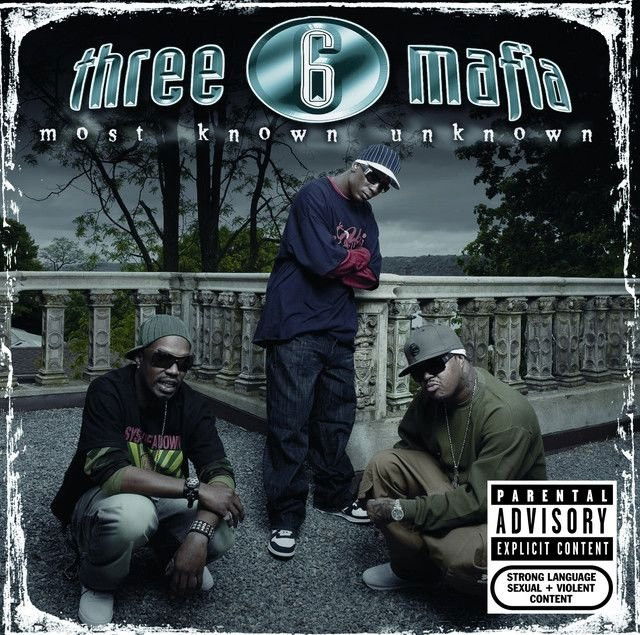
Part of the song’s legacy comes from context, not just content. It was first tied to Hustle & Flow in 2005, then appeared in Three 6 Mafia’s own version with Paula Campbell on the 2006 special-edition reissue of Most Known Unknown. Its Oscar win gave Southern rap a rare mainstream spotlight.
That win also created debate. Some critics felt the song portrayed pimping too positively, while others saw it as an authentic expression of a harsh environment. Both reactions make sense because the song refuses to clean up its perspective. It gives listeners a voice from inside the system and leaves them to deal with the discomfort.
So What Is the Song Really Saying?
The best way to read the song is to hold two ideas at once:
- It captures real pressure inside a violent, unequal economy.
- It shows a narrator who justifies exploitation by calling it survival.
That tension is the whole point. The song’s power comes from how easily its hook can sound playful while its verses reveal something colder. The meaning of Hard Out Here for a Pimp Three 6 Mafia, Paula Campbell is not that the speaker deserves pity. It is that poverty, status hunger, and street logic can make cruelty sound routine.
That uneasy mix is why the song lasted. It is catchy enough to travel, but troubling enough to keep raising questions.
Disclaimer: This article offers an interpretation of the song based on its lyrics, production, and public context. Meaning can vary from listener to listener.








