Why 'Tear da Club Up '97' Feels Like a Riot
The meaning of Tear da Club Up '97 Three 6 Mafia starts with a simple idea: they are not describing a normal night out. They are creating a myth of total crowd takeover. In this song, the club becomes a place where fear, pride, aggression, and adrenaline all hit at once.
"Tear da Club Up '97" - Three 6 Mafia
Tear the club up, nigga, tear the club up
Tear the club up, nigga, tear the club up
Loading lyrics...
Unable to load lyrics
We're unable to display the lyrics at this time. Please try again later.
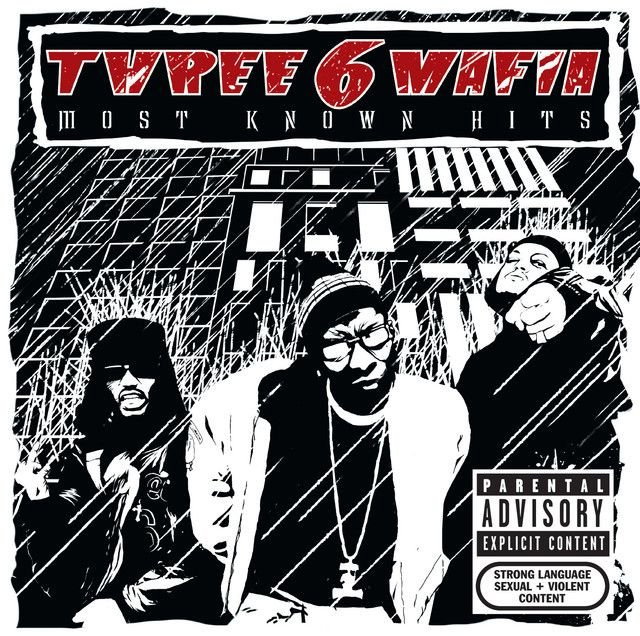
Three 6 Mafia had already built a dark Memphis style, but this remix pushed that energy into a more public, physical setting. According to widely cited release history, the original “Tear da Club Up” appeared in 1995, while “Tear da Club Up ’97” was remade for Chapter 2: World Domination and produced by DJ Paul and Juicy J. It also featured all group members and is often described as an early bridge from horrorcore into crunk-minded club rap.Wikipedia: Tear da Club Up
More Than Mayhem: What the Song Is Really Saying
On the surface, the track sounds like a threat. The repeated hook, tear the club up
, sounds destructive and blunt. But in rap terms, it also means overwhelming the room: shaking the crowd, making the venue lose control, and proving no one else can match that energy.
That is why so many lines mix physical danger with performance bragging. They describe haters, challengers, and weak opponents, then answer them with force. The point is not subtle storytelling. The point is dominance.
Interpretation: the song turns chaos into status. If the room gets wild, then the group has won. If the crowd becomes a mob, then Three 6 Mafia have proven they are the center of gravity.
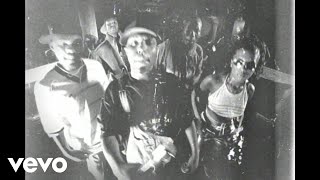
Watch the official Tear da Club Up '97
music video
The Hook as a Command
The chorus matters because it works like a chant, not a conversation. By repeating one phrase over and over, they blur the line between rapper and audience. It feels less like a lyric and more like an instruction shouted into a packed room.
That is also why short phrases like get buck
and get wild
carry so much weight. They are simple, but they ask listeners to join the performance. The song is not only about Three 6 Mafia being rowdy. It is about turning a whole crowd into their extension.
Let's tear this house right down
Let's do that stuff right now
Even here, the idea is bigger than literal demolition. They are dramatizing total release: bodies moving, rules dropping away, and the venue no longer feeling orderly.
A Group Voice Built for Confrontation
The song uses a collective voice more than an individual one. Even when one member steps forward, the mood stays communal. They present themselves as a crew, a force, a wave coming through the room.
That is important to the meaning of Tear da Club Up '97 Three 6 Mafia because the song is obsessed with numbers, bodies, and momentum. They mention soldiers, clicks, and members. Enemies are isolated; the group is unified.
Interpretation: this makes the song feel like ritual. The club is the arena, the chant is the spell, and the crew becomes larger than any single rapper.
Sound First, Message Second
The production carries much of the meaning. Reports on the song note that the 1997 version swapped the original sample for the “Theme from S.W.A.T.”, which gives the remix a sharper, more militarized feel.Wikipedia: Tear da Club Up
That choice matters. The beat sounds like an alarm, a march, and a chase scene all at once. The low-end hit is heavy, the rhythm is blunt, and the vocals are delivered with clipped urgency. Instead of smooth groove, the track favors impact.
This is where Three 6 Mafia were ahead of their time. The song does not just describe chaos; it is built to cause it. The production leaves space for shouting, stomping, and crowd response. That design helped make the track a precursor to the louder Southern club style that later became mainstream crunk.
Why the Song Became So Controversial
Part of the song’s legend comes from how people responded to it. It was reportedly banned from some Southern nightclubs because it was linked to fights and crowd disorder.Wikipedia: Tear da Club Up
That reception supports the song’s image. When listeners believed it could actually trigger unrest, the track’s message became self-fulfilling. It was no longer just pretending to be dangerous. Its reputation made it dangerous in the public imagination.
At the same time, that controversy can be overstated if taken too literally. Hip-hop often uses extreme language to build persona and intensity. Here, lines like start a riot
and blow the club up
are part of that exaggerated style. They are trying to sound uncontrollable, not deliver a practical plan.
A Turning Point in Three 6 Mafia’s Story
Historically, this song matters because it captures a shift. Early Three 6 Mafia were known for eerie, underground Memphis rap. “Tear da Club Up ’97” keeps that menace, but redirects it into crowd-moving music.
That helps explain why the song still feels influential. It connects horror imagery, street bravado, and dance-floor command in one record. Pitchfork later placed the song on its list of the 1990s’ greatest tracks, a sign of its long reach beyond its original scene.Wikipedia: Tear da Club Up
The Last Word on Its Meaning
So what does the song mean? At its core, it is about the thrill of collective release and the pride of commanding a room through fearsome energy. Three 6 Mafia portray the club as a place where social order collapses under beat, volume, and group identity.
Interpretation: the song is less about destruction itself than about what destruction symbolizes in rap performance: power, presence, and losing control on purpose.
That interpretation is one informed reading, not a definitive statement of intent. Songs like this often live in the gap between literal words, stage persona, and audience reaction.







