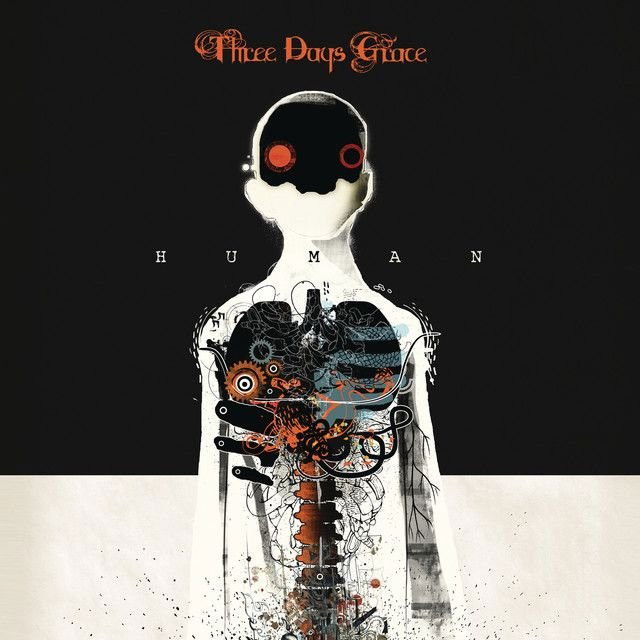
Nothing's Fair In Love And War by Three Days Grace
A breakup song dressed like a battle cry
The meaning of Nothing's Fair In Love And War Three Days Grace starts with a simple idea: this is a song about a relationship that has turned into open conflict. The speaker does not describe love as warm, trusting, or safe. They describe it as a place where people strike first, hide motives, and only understand the damage after it is done.
"Nothing's Fair In Love And War" - Three Days Grace
Never think of consequences.
I didn't feel a thing, I didn't feel a thing.
Loading lyrics...
Unable to load lyrics
We're unable to display the lyrics at this time. Please try again later.
That reading is supported by outside context. On Songfacts, bassist Brad Walst said the track is about the struggles of a relationship and the hardships that happen behind closed doors, the things nobody else sees. As a factual point, the song appears on the band’s 2015 album Human, Three Days Grace’s fifth studio release.

Watch the official Nothing's Fair In Love And War
music video
The narrator is not innocent
One of the most important parts of the song is that the voice does not pretend to be blameless. Early lines frame the narrator as impulsive and aggressive, using phrases like shoot first
and never ask questions
. Paraphrased, they act before thinking, then deal with the emotional fallout later.
That matters because it keeps the song from becoming a one-sided complaint. They are not only saying, “Someone hurt me.” They are also admitting, in effect, “I helped create this mess.” The phrase until it starts to sting
shows the turning point. At first, they feel numb or detached. Then the pain finally lands.
How the chorus turns love into combat
The chorus gives the song its central metaphor: romance as warfare. The repeated title line, nothing's fair in love and war
, is not presented as wise advice. It sounds more like a bitter excuse and a warning at the same time.
Interpretation: the song suggests that once a relationship reaches this stage, both people stop looking for truth or fairness. They start looking for survival. That is why the chorus includes blunt, violent imagery and moral collapse.
Your hand, my knife
Your heart, my life
Those two short lines compress the whole song. One person reaches out; the other answers with harm. Emotional dependence and emotional injury become tangled together. The relationship is intimate, but also dangerous.
What the key images really mean
Three Days Grace use a few simple images, and each one carries weight.
Darkness and secrecy
When the song says turn out the lights
, it likely points to secrecy, denial, or the private space where this relationship falls apart. In plain terms, the damage happens away from public view. That fits Walst’s comment about what happens behind closed doors.
Lies that come too late
Another sharp moment is too late to lie
. The idea is that the truth is already visible. The betrayal, resentment, or emotional wreckage can no longer be covered up. The relationship has crossed the point where excuses work.
Crisis as a way of life
The verse also describes someone who is always in crisis
and left to their own impulses. That makes the song feel bigger than one fight. It hints at a pattern: repeated conflict, repeated damage, repeated regret.
A quick timeline of the song’s emotional story
The narrative is easy to follow, which is one reason the song hits hard:
- The speaker admits they act recklessly.
- At first, they feel little or nothing.
- Consequences finally become real and painful.
- The relationship is revealed as a battlefield, not a partnership.
- By the end, ideas like right and wrong have broken down.
That last point is key. The line about there being no clear moral side does not celebrate cruelty. It shows how badly the relationship has decayed.
Why the sound fits the message
Musically, the track stays true to Three Days Grace’s hard-rock style: heavy guitars, a tense rhythm section, and a chorus built for impact. The arrangement supports the song’s meaning because it feels tight, forceful, and pressurized instead of loose or reflective.
The verses move with a clipped, marching energy, which matches the narrator’s cold self-description. Then the chorus opens wider, but not in a comforting way. It hits like a release of stored anger. That push-pull mirrors the lyric arc: control in the verses, explosion in the hook.
As a factual note, the credited writers are Neil Sanderson, Brad Walst, Gavin Brown, Barry Stock, and Matt Walst. Gavin Brown, a frequent rock collaborator, is also associated with the album’s production, which helps explain the polished but aggressive sound found across the Human era.
Where the song fits in the band’s broader themes
Three Days Grace often write about inner conflict, pain, anger, and damaged relationships. This song fits that pattern, but it does something slightly different. Instead of focusing only on victimhood or isolation, it shows mutual destruction.
That makes the track more complicated than a standard revenge song. The speaker sounds hurt, but also self-accusing. They know they crossed lines. They know they ignored consequences. In that sense, the song is as much about accountability as heartbreak.
Two strong ways to read it
Interpretation 1: A toxic romance. This is the clearest reading. Two people are trapped in a cycle of hurt, lies, and retaliation.
Interpretation 2: Emotional self-sabotage. The “war” could also describe the speaker’s own habits. Their worst instincts ruin love before trust can survive.
Both readings work because the lyrics move between direct conflict and inner confession.
Final takeaway
The meaning of Nothing's Fair In Love And War Three Days Grace is not that cruelty is acceptable in love. It is that some relationships become so damaged that both people start justifying harm, and by then everyone loses.
What gives the song its punch is that it sounds fierce while admitting weakness. It is loud, bitter, and dramatic, but underneath that noise is a simple truth: when love turns into war, pain replaces connection.
Disclaimer: This interpretation is based on the lyrics, available band commentary, and musical context. As with most songs, listeners may reasonably hear it in different ways.









