Why 'Pain' by Three Days Grace Still Hits Hard
The meaning of Pain Three Days Grace comes down to one sharp idea: feeling hurt can seem better than feeling nothing. That is why the song still lands with so many listeners. It takes emotional numbness, strips it down, and turns it into a rock anthem.
"Pain" - Three Days Grace
Pain, I can't get enough
Pain, I like it rough
Loading lyrics...
Unable to load lyrics
We're unable to display the lyrics at this time. Please try again later.
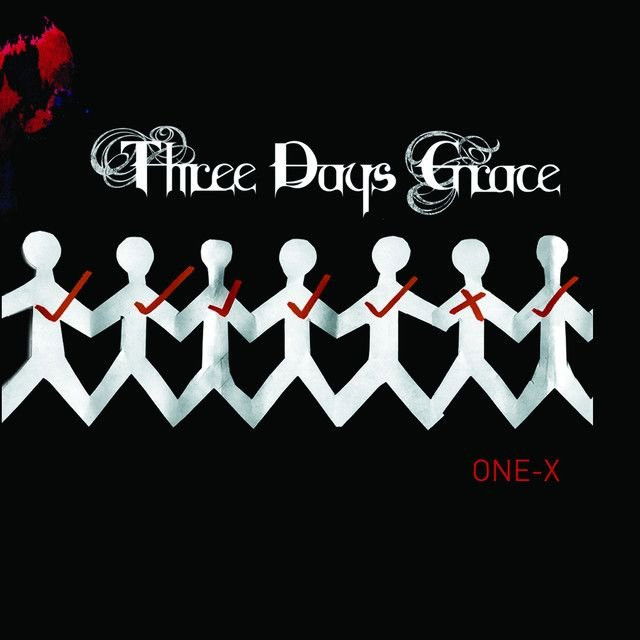
Released on One-X in 2006, “Pain” arrived during a major period for the band. According to the research summarized from Songfacts and widely repeated in band-related coverage, Adam Gontier described it as a song about being numb because of their own actions and being tired of that feeling. That core statement matters because it gives the song a clear emotional center without limiting how people hear it.
The Heart of the Message
At the most basic level, the song is about rejecting emptiness. The chorus repeats the idea that they would rather suffer than go emotionally blank. When the hook circles around nothing at all
, it frames numbness as the real enemy, not pain itself.
That distinction is what gives the song its power. It is not praising suffering as healthy. Instead, it shows a desperate mindset: when someone feels cut off from life, even hurt can feel like proof that they are still human.
Interpretation: This is why the song can sound both defiant and sad at once. The speaker is not healed. They are choosing the only feeling they can still trust.

Watch the official Pain
music video
Who the Speaker Seems to Be
The verses widen the message by turning from confession into invitation. The speaker tells another wounded person they are not alone and offers guidance. Phrases like you're sick of feeling numb
and take my hand
create a strange mix of comfort and danger.
On one level, that sounds supportive. On another, it sounds manipulative. The speaker seems to say: if happiness is not working, then pain will make sense. That is a dark promise, and the song knows it.
A Voice That Comforts and Pushes
This is where the lyrics become more interesting than a simple cry for help. The song does not only describe numbness; it dramatizes how people talk themselves into harmful coping patterns. The repeated promise that you'll understand
feels less like wisdom and more like rationalization.
Interpretation: The speaker may be talking to another person, but they may also be talking to themselves. The “you” can sound like an inner voice trying to make pain feel meaningful.
How the Lyrics Build the Theme
The song moves in a clear emotional sequence:
- It starts with the blunt choice between pain and numbness.
- It then identifies a shared condition: emotional shutdown.
- Next, it offers pain as an answer when joy fails.
- Finally, it becomes almost persuasive, as if suffering can teach a lesson.
That progression matters. The song is not just saying pain exists. It shows how a hurt mind can build a whole philosophy around it. When the lyric turns to anger and agony
, the song suggests that intense negative emotion can feel more manageable than empty misery.
I'd rather feel pain
than nothing at all
That two-line idea is the song’s emotional thesis. It is simple, memorable, and open enough for listeners to place their own struggles inside it.
The One-X Context Matters
“Pain” appeared on One-X, an album strongly linked to Adam Gontier’s recovery period and personal struggles. The record is often discussed as one of Three Days Grace’s darkest and most personal releases, and “Pain” fits that frame perfectly. The band wrote the song in Ontario during downtime at a friend’s cottage, according to the Songfacts summary of Gontier’s comments.
Those facts do not mean every line is strictly autobiographical. Still, the context helps explain why the song feels so direct. It carries the sound of someone who has lived through emotional shutdown and knows how tempting destructive feeling can become.
Why the Sound Feels So Heavy
Production is a huge part of the song’s meaning. Produced by Howard Benson, “Pain” uses a polished but forceful alt-rock sound: thick guitars, a steady groove, and a vocal line that pushes hard without losing clarity. That balance mirrors the lyric’s tension.
The track does not race. Instead, it presses forward with control, which makes the chorus feel inevitable. The guitars are heavy enough to sound bruised, while the drums keep everything locked in. That creates the sense of a person trying to contain chaos rather than explode.
Vocal Delivery as Meaning
Gontier’s vocal performance matters just as much as the words. He sounds strained, but not broken. That gives the song credibility. They are not hearing abstract poetry; they are hearing someone force emotion through numbness.
Why Listeners Hear Different Stories
Many fans have connected “Pain” to depression, addiction, toxic relationships, grief, and other forms of self-destructive survival. Those readings make sense because the language is broad and emotionally intense. The song never pins itself to one literal plot.
Interpretation: That ambiguity is a strength, not a flaw. It lets the track speak to different kinds of hurt while staying true to its main point: pain can become attractive when numbness feels worse.
Its reach also shows in its success. Research cited above notes that the song became a major rock hit, topping U.S. rock charts and helping define the One-X era. That popularity suggests the theme was widely understood, even by listeners with very different lives.
Why the Song Still Connects
The meaning of Pain Three Days Grace lasts because the song expresses a hard truth in plain language. People do not always chase pain because they enjoy it. Sometimes they chase it because it feels real.
That is what “Pain” captures so well. It is a song about numbness, desperation, and the dangerous comfort of intense feeling. It does not celebrate suffering so much as expose the mindset that makes suffering feel preferable.
Disclaimer: This interpretation combines confirmed artist context with lyrical analysis. As with any song, some meanings remain open to listener interpretation.








