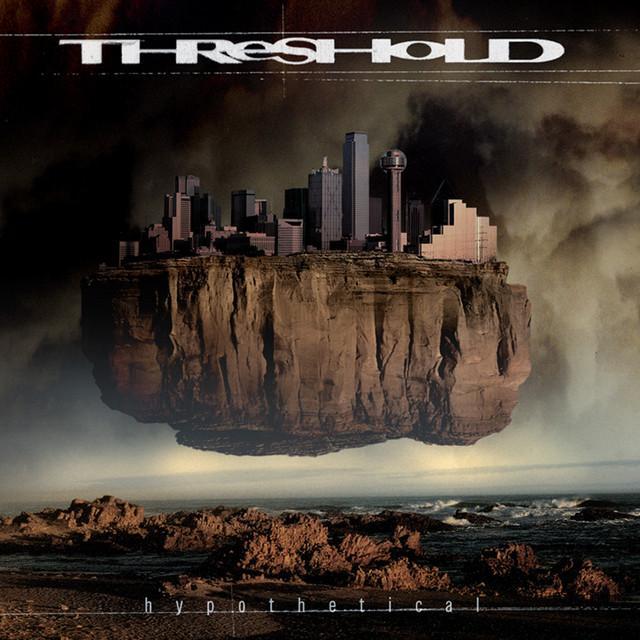
The Meaning Behind The Ravages Of Time
A Prog-Metal Warning About Human Cycles
The meaning of The Ravages Of Time Threshold centers on one big idea: human beings keep repeating the same pattern. They build worlds, destroy them, learn lessons, forget them, and start over.
"The Ravages Of Time" - Threshold
First there is an ocean then there is no ocean then there is
And then we have a mountain range and then a plain and a range again
Loading lyrics...
Unable to load lyrics
We're unable to display the lyrics at this time. Please try again later.
Threshold are an English progressive metal band formed in Surrey in the late 1980s, with Karl Groom as the only constant member across the group’s history. They are widely identified with progressive metal, a style known for long-form ideas, shifting structures, and philosophical lyrics. The songwriting credits given for this track are Jon Jeary, Karl Groom, Nick Midson, and Richard West.
Interpretation: this song is less a personal diary than a panoramic view of civilization. Its narrator sounds ancient, almost mythic, as if they have watched whole ages rise and fall.
Watch the official The Ravages Of Time
music video
The Song Moves Like a History of the World
One striking feature is how the lyric keeps changing landscapes and societies. It moves from sea to mountain to desert, then from population to emptiness to repopulation. That pattern matters more than any single image.
By showing nature and culture both shifting, the song suggests instability is the rule, not the exception. A city becomes rubble. A people vanish and return. Even belief systems fail when a temple is raised to a god who died
and still does not save anyone.
This gives the song a bleak but thoughtful point: progress is real, yet fragile. Human beings may think they are moving forward, but the lyric keeps reminding them how quickly systems collapse.
Who Is Speaking in This Story?
The voice uses first-person language, but it feels larger than one individual. Early on, the line not waving but drowning
paints them as overwhelmed, powerless, or spiritually lost.
Later, that same voice becomes a bearer of knowledge and blame. They say the guilt is all on me
, which turns the song inward. Instead of simply accusing the world, the speaker accepts some role in humanity’s failures.
Interpretation: the narrator may represent:
- a symbolic first human
- a witness moving through many eras
- a creator figure horrified by what reason became
- the human race speaking as one conscience
That ambiguity is one reason the lyric feels so large.
The Central Image Is Knowledge Becoming Burden
The strangest section introduces a disembodied female presence who gives the narrator “reasoning.” This is where the song shifts from historical montage into myth.
Let there be body let there be mind
let there be man unkind
This short passage sounds like a dark creation story. It echoes the language of origin myths, but twists it toward violence and moral failure.
After that moment, intelligence itself becomes suspect. The song links thought, invention, and expansion with damage. The narrator spreads seed, generations follow, societies build things up, then tear them down, and everything carries the stain of the first act.
So when the chorus warns that the ravages of time
will find everyone, it is not only talking about aging. It is talking about decay in ideas, institutions, and empires.
Why the Chorus Hits So Hard
The chorus is simple compared with the dense verses, and that contrast makes it memorable. One line warns about time; the other warns about savageness of mind
.
Together, those ideas form the song’s thesis:
- Time destroys what humans make.
- The human mind often causes the destruction sooner.
That pairing matters. The song does not blame nature alone. It argues that inner violence, pride, and repetition are just as dangerous as erosion or death.
Sound and Structure Support the Meaning
Threshold’s progressive metal style fits this material well. Progressive metal often uses dynamic shifts, layered keyboards, and long-form arrangement to mirror complex ideas, and Threshold’s catalog is strongly associated with that approach. In a song like this, listeners can hear how heavy guitar weight and expansive keyboards create both urgency and scale.
The likely effect is cinematic rather than intimate. Riffs give the song force, while keyboards widen the emotional frame, making the lyric feel historical and almost cosmic. The measured repetition in the chorus also reinforces the theme of recurrence: human beings do not just suffer once; they repeat themselves.
Interpretation: even without reading every word closely, the arrangement can make the listener feel trapped in cycles of building, ruin, and return.
Threshold Context Makes the Song Clearer
Threshold’s broader body of work often leans toward reflective, conceptual writing rather than simple storytelling. That makes this song feel very much in character for the band.
A useful point of context is that The Ravages of Time is also the title of Threshold’s 2007 two-disc best-of compilation, covering material from Wounded Land through Dead Reckoning. That fact does not define this specific song’s meaning, but it shows how strongly the phrase fits the band’s identity: time, legacy, memory, and endurance are central concerns in their world.
A Final Reading of the Song’s Message
In the end, the meaning of The Ravages Of Time Threshold is a warning about what humans inherit and what they repeat. The lyric sees history as a loop where landscapes change, nations rise, weapons appear, beliefs fail, and knowledge is lost again and again
.
Its most haunting idea is that humanity may be brilliant and doomed at the same time. They create reason, culture, and civilization, yet they also turn those gifts into destruction.
That is why the song still lands: it treats history not as the past, but as a pattern still happening now.
Disclaimer: This interpretation is based on the lyrics provided, publicly available band context, and critical reading. As with most progressive metal songs, multiple meanings are possible.







