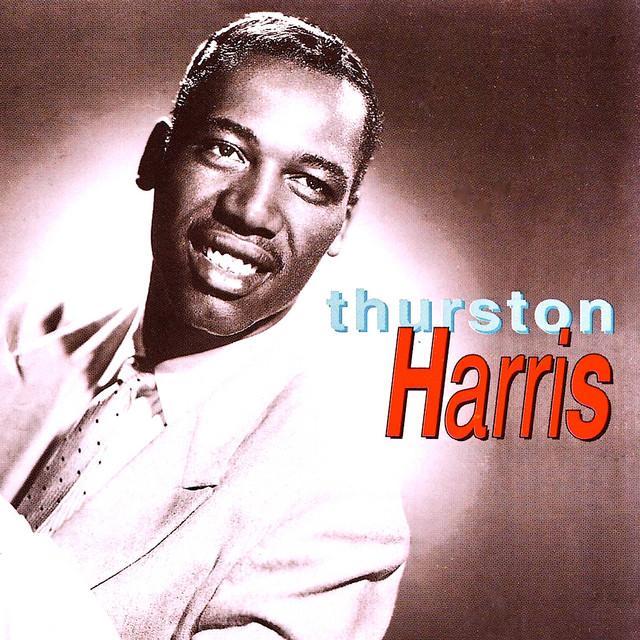
Little Bitty Pretty One by Thurston Harris
Why This Oldie Still Pops
The meaning of Little Bitty Pretty One Thurston Harris starts with something simple: flirtation turned into pure musical charm. Popularized by Thurston Harris in 1957, the song feels light, sweet, and instantly memorable. According to Wikipedia, Harris' version reached No. 6 on the U.S. Billboard Best-Sellers chart and No. 2 on the R&B chart, which helps explain why it became a lasting oldies favorite.
"Little Bitty Pretty One" - Thurston Harris
Mmm-mmm-mmm-mmm-mmm-mmm-mmm-mm
Mmm-mmm-mmm-mmm-mmm-mmm-mmm-mm
Loading lyrics...
Unable to load lyrics
We're unable to display the lyrics at this time. Please try again later.
Even so, the song is not really about a complicated story. It is about attraction, attention, and the thrill of trying to draw someone closer. Its power comes less from plot and more from mood.
Watch the official Little Bitty Pretty One
music video
The Core Meaning Beneath the Hook
At its heart, the singer is trying to get the attention of someone they find adorable and magnetic. The title phrase Little bitty pretty one
works like both a compliment and a chant. It keeps the focus on affection rather than deep confession.
The next invitation, talk-a to me
, shows that the singer wants contact and response. They are not making a big speech about heartbreak or fate. They are trying to start a moment. That makes the song feel youthful and direct.
Interpretation: In modern listening, some lines may sound more forward than romantic. But in its 1950s pop setting, the song reads mainly as a playful, exaggerated courtship number, built on cute language and repetitive appeal rather than emotional complexity.
A Tiny Story of Admiration
The lyrics only give a few details, but those details matter. One key line is I've been watchin' you grow
. In plain terms, the singer says they have noticed this person over time and are now speaking up.
That creates a sense of familiarity. The song is not about love at first sight. It suggests a crush that has been building in the background.
Tell you a story
Happened long time ago
These lines add a teasing, almost conversational turn. The singer sounds as if they are trying to charm the other person by talking, not just admiring from afar. The idea is less about the content of the story than the act of drawing someone in.
How the Repetition Creates Meaning
The famous humming is not filler
A huge part of the song's identity is the repeated humming and nonsense syllables before and between the verses. That opening is one reason people remember the record so quickly. In fact, reference works often note the hummed intro as the song's signature feature.
Those sounds do important emotional work. They create anticipation before the words arrive, and they make the record feel communal, almost like a street-corner performance. The singer is not alone; the whole arrangement seems to smile.
Why the chorus feels bigger than the lyric
The chorus does not reveal new information. Instead, it repeats the same desire in catchy form. That repetition turns a basic flirtatious message into an atmosphere.
Interpretation: The song means what it feels like. It is about being delighted by somebody's presence so strongly that normal speech gives way to humming, cooing, and looping phrases. In that sense, the music expresses what the limited lyrics only hint at.
Thurston Harris, Bobby Day, and the 1957 Context
A key fact: the song was written and originally recorded by Bobby Day, then popularized by Thurston Harris. Harris' hit version featured backing vocals by the Sharps, later known as the Rivingtons, and was released by Aladdin Records. That context matters because the record sits right in the sweet spot where rhythm and blues, early rock and roll, and doo-wop met.
This helps explain the song's emotional style. It is polished, but not stiff. It sounds urban, lively, and social. Instead of leaning on dramatic lyrics, it trusts groove, group vocals, and vocal personality.
Bryan Thomas has called it one of the best loved late-'50s oldies, a fair summary of its long afterlife in American pop culture.
How the Sound Carries the Message
The production is bright and compact. At around two minutes and change, the song wastes nothing. The beat pushes forward, while the backing vocals answer and cushion Harris' lead. That call-and-response setup makes the flirtation feel public and playful, not private and heavy.
Instrumentally, the record fits doo-wop's strengths:
- a steady, danceable rhythm
- vocal harmony as a hook
- simple melodic phrases
- a lead performance full of personality
The phrase Lovey-dovey
says a lot about the tone. It is childish on purpose, almost nursery-rhyme language. Paired with the humming, it gives the song an innocent bounce.
Interpretation: The sound suggests that attraction here is less about desire in a serious adult sense and more about excitement, sweetness, and performance. The singer is showing off their charm as much as expressing their feelings.
Why the Song Endured
Part of the meaning of Little Bitty Pretty One Thurston Harris comes from its cultural staying power. The song has lived on through later covers by artists including Frankie Lymon, Clyde McPhatter, and the Jackson 5, and through movie placements such as Matilda and Christine. That kind of reuse usually happens when a record carries an instantly recognizable mood.
Its mood is joy with a wink. Listeners do not return to it for lyrical depth alone. They return because it captures a clean, catchy version of young affection.
Final Take on Its Meaning
So what is the song about? In the clearest sense, it is a charming doo-wop plea for attention from someone the singer finds irresistible. The words are simple, but the performance makes them feel bigger.
The lasting appeal comes from the blend of sweet talk, repetition, and buoyant rhythm. It turns a small flirtation into a full pop moment.
Disclaimer: This interpretation separates documented facts from critical reading. Meanings can vary by listener, era, and cultural context.








