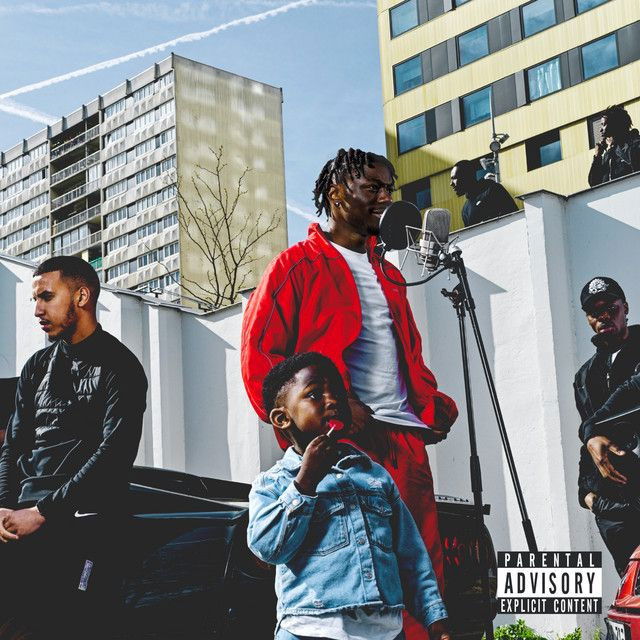
Mode AV by Tiakola, Niska, Gazo
A street anthem built on pressure
The meaning of Mode AV Tiakola, Niska, Gazo comes down to a simple but powerful idea: they are living in a constant state of readiness. The song mixes success talk with danger, loyalty tests, and emotional shutdown. It is not a reflective ballad. It is a performance of control.
"Mode AV" - Tiakola ft. Niska, Gazo
Hey
La mélo' est gangx (bye)
Loading lyrics...
Unable to load lyrics
We're unable to display the lyrics at this time. Please try again later.
That matters because these three artists each carry strong identities in French rap. Tiakola has built a style that blends melody with street rap, while Gazo is closely tied to the rise of French drill, and Niska brings his usual force and swagger. Tiakola’s career path and major releases, including Mélo and the later collaborative album La Melo est Gangx with Gazo, are well documented, as is the song’s commercial success: "Mode AV" reached No. 6 in France and earned Diamond certification, according to the data summarized on Wikipedia.
What they are really saying
At its core, the song is about survival through toughness. They present a world where eating means winning, and where hesitation can be dangerous. Early lines frame success as non-negotiable, with the blunt idea that they never leave scraps behind. From there, the tone hardens into suspicion.
They describe enemies trying to stain their image, women who project fantasies onto them, and rivals who act tough but are not built for real conflict. Short phrases like on mange
and toujours en détente
sound confident on the surface, but together they create a strange balance: calm outside, threat underneath.
Interpretation: the song is less about one event than one posture. “Mode AV” feels like a code for being switched on at all times—socially, financially, and physically.
The hook turns annoyance into power
The repeated phone motif is one of the smartest parts of the track. They say the pressure follows them all day, especially through the phone, but they refuse to answer. The recurring Allô?
becomes more than a sound effect. It represents access.
People want something from them: attention, help, loyalty, information, maybe even a reaction. Their answer is silence. That makes the hook feel cold and strategic rather than emotional.
Allô?
J'réponds pas
This tiny exchange sums up the song’s attitude. They are available in public, visible in fame, but unavailable on demand. In a rap song filled with motion, that refusal is a form of dominance.
Cars, darkness, and motion as symbols
A lot of the song’s imagery is built around movement. They are in traffic, on motorbikes, in passenger seats, crossing zones, sending tickets, shifting people and goods around. None of that is described in a gentle way. The motion feels urgent.
Then there is the darkness. One of the strongest ideas is dans l'obscur
, paired with the admission that they do not like to show themselves. That line helps explain the whole track. Fame is present, but exposure is risky. Visibility brings money, but invisibility brings safety.
These images support three main motifs:
- movement as hustle
- darkness as protection
- the phone as intrusion
Together, they make the song feel like a late-night ride through success and threat at the same time.
Three voices, one shared mentality
The collaboration works because each artist pushes the same message from a slightly different angle. Tiakola often sounds smoother than the others, but here his melodic edge does not soften the song. It sharpens it. He can make menace sound effortless.
Gazo’s presence reinforces the drill energy. His style often leans into pressure, coded speech, and intimidation, so his voice fits the track’s guarded tone naturally. Niska adds another layer: veteran confidence. His verse feels like someone who has seen enough to trust very few people.
Interpretation: even when the details blur into flexes, the emotional through-line stays clear. They are successful, but not comfortable. They are visible, but never fully open.
How the production carries the meaning
The beat gives the song its backbone. It is heavy, clipped, and nocturnal, leaving space for threats, ad-libs, and quick switches in energy. There is very little warmth in the production. Instead, the track moves with the strict pulse of drill and street rap, which supports the song’s defensive worldview.
That matters because the lyrics are not only telling listeners about danger; the music makes them feel it. When they mention bang-bang
or hint at retaliation and no return, the production does not dramatize those ideas with big cinematic sounds. It stays lean and hard. That restraint makes the song feel more believable.
For U.S. listeners, the easiest comparison is the way some drill records turn repetition into tension. Here, repetition is not lazy. It is psychological. The same ideas keep circling because the characters in the song are trapped inside vigilance.
Why the song connected
Part of the appeal is simple star power. Tiakola, Gazo, and Niska are major names, and Tiakola’s chart history shows how strong his reach has become in French-speaking rap markets, as summarized on Wikipedia. But popularity alone does not explain the song’s pull.
“Mode AV” works because it sounds like luxury and danger occupying the same car. They boast, but they do not relax. They move up, but they keep looking over their shoulder. That tension is what gives the song bite.
Final reading of the song
The meaning of Mode AV Tiakola, Niska, Gazo is not hidden very deeply: it is about being in attack-and-defense mode at once. Money, women, rivals, phones, traffic, darkness, and coded threats all feed one central image of men who feel they must stay ready.
Interpretation: beneath the bravado, the song may also reveal fatigue. When they keep repeating that people harass them and that they will not answer, it sounds like power—but also like exhaustion.
That double feeling is why the track lasts. It is a victory lap, but one taken with the windows up.
Disclaimer: This article offers interpretation based on the song’s lyrics, performance, and available public context. Meanings can vary by listener.







