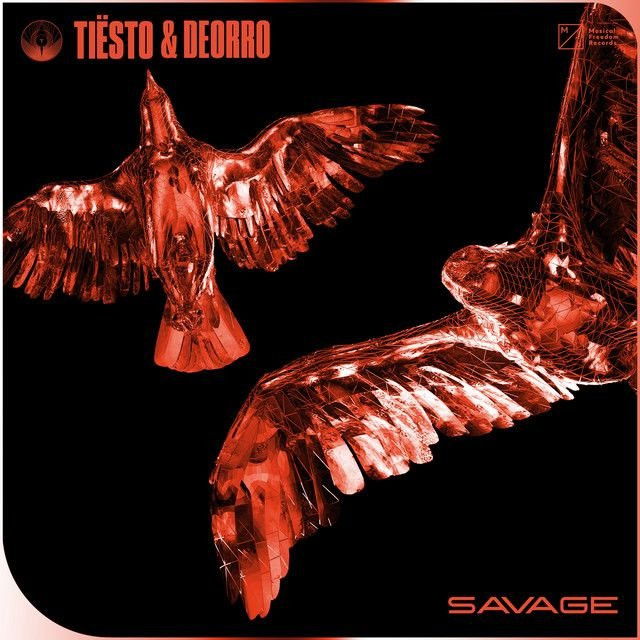
Savage by Tiësto, Deorro
They press play, the kick hits, and the message is clear: this is a night without brakes. For readers searching for the meaning of Savage Tiësto, Deorro, the song presents a rush of release—then reveals a cycle beneath the adrenaline.
"Savage" - Tiësto, Deorro
For now, I'll just let go
And ah
Loading lyrics...
Unable to load lyrics
We're unable to display the lyrics at this time. Please try again later.
A Loop of Chaos: What This Club Banger Says
At its core, Savage is about giving in to the moment and letting the night decide. When the voice admits I’ll just let go
, they set the tone: abandon control and feel first, think later. The track links freedom with risk, a pact summed up by we’re going savage
.
Yet there’s a twist of memory and regret. The line about not having plans anymore hints at a life once mapped out, now replaced by impulse. The chorus commits to repetition—do it over again
—suggesting pleasure on loop and consequences on loop, too. The pull of release becomes both the promise and the trap.

Watch the official Savage
music video
Who’s Talking, and Why It Matters
The narrator shifts between “I” and “we,” which is key to how dance music works live. It starts as personal confession—fatigue, hangover, doubt—then widens into a group vow: we’re going savage
. That move invites the crowd to co-own the decision.
This shared voice turns the song into a ritual. Saying we ain’t got plans
isn’t just a shrug; it’s permission for everyone on the floor to forget their calendars. The “we” grounds the chaos in community, which makes the wildness feel safer, even if the lyrics admit it isn’t.
From Memory to Mayhem: The Mini-Story
Here’s the simple timeline that drives the song:
- A flash of nostalgia for when life felt planned and clear.
- A conscious choice to drop control:
I’ll just let go
. - Escalation at the bar—
run up the tab
—signaling no limits. - A hard-charging hook where the crew declares
we’re going savage
. - After the crash, a vow to repeat it:
do it over again
.
The beat and structure mirror that arc. A buildup teases restraint; the drop smashes it. Then the cycle resets, just like the night.
The Hook’s Promise: Again, and Again
The refrain isn’t just catchy; it’s the thesis. By repeating do it over again
, the song turns compulsion into anthem. It’s fun, but it’s also honest about habit. The line let’s do some damage
frames the night as a dare between friends—risk packaged as entertainment.
Interpretation: They’re not only chasing a high; they’re chasing the feeling of being unstoppable together. That’s why the hook lands so hard at festivals. Listeners hear their own pact to go one more round.
How the Sound Amplifies the Attitude
Production pushes the message over the edge. Big, four-on-the-floor kicks create a stampede effect. Bright, rubbery synths nod to Deorro’s festival bounce, while the direct topline fits Tiësto’s mainstage instincts. The drop feels engineered for crowd chants, where each phrase can be yelled back in unison.
The arrangement keeps vocals sparse and punchy. Short commands—we’re going savage
, do it over again
—cut through the mix, letting the instrumental carry the chaos. It’s utility music for peak-hour sets: easy to remember, built to detonate, and designed to make the crowd feel part of the decision.
Freedom, Cost, and Two Plausible Readings
Interpretation 1: Liberation. The track celebrates reckless joy and post-hangover resilience. When they say they’ll do it again, it’s a victory cry. Life is short; nights are for extremes; tomorrow can wait.
Interpretation 2: A mirror to burnout. The missing plans and repeated hangovers hint at a loop that’s less romantic up close. The promise to repeat reads like a coping pattern—numb, reset, repeat—glossed with neon.
Both readings hold because the song keeps language simple and open. It gives listeners what they need at 1 a.m., but leaves a shadow for the ride home.
Credits and Context: Why These Names Fit the Story
The writers—Bas van Dalen, Erick Orrosquieta (Deorro), and Tijs Michiel Verwest (Tiësto)—bring festival-tested instincts. Tiësto’s track record with mass-chant hooks pairs naturally with Deorro’s high-energy electro bounce. That union makes the lyric’s group focus (“we”) feel native to the sound. The whole package is aimed at main stages, gym playlists, and late-night car rides—anywhere the promise of “again” feels electric.
Takeaway
For American listeners weighing the meaning of Savage Tiësto, Deorro, the song is both a passport and a warning. It promises the rush of throwing plans away and the comfort of doing it together. It also knows the tab is coming.
Disclaimer: Song meanings are interpretive and may differ from the artists’ intent or listener experience.








