Why Tim Hardin's 'Don't Make Promises' Still Hurts
The meaning of Don't Make Promises Tim Hardin comes down to a simple but painful truth: hope can become a trap when someone uses it instead of honesty. In this song, they present a speaker who sees through sweet words and future talk. What hurts is not only that love is fading, but that the other person keeps trying to soften that reality with promises they cannot keep.
"Don't Make Promises" - Tim Hardin
Are all about tomorrow
Tunes of promises you can't keep
Loading lyrics...
Unable to load lyrics
We're unable to display the lyrics at this time. Please try again later.
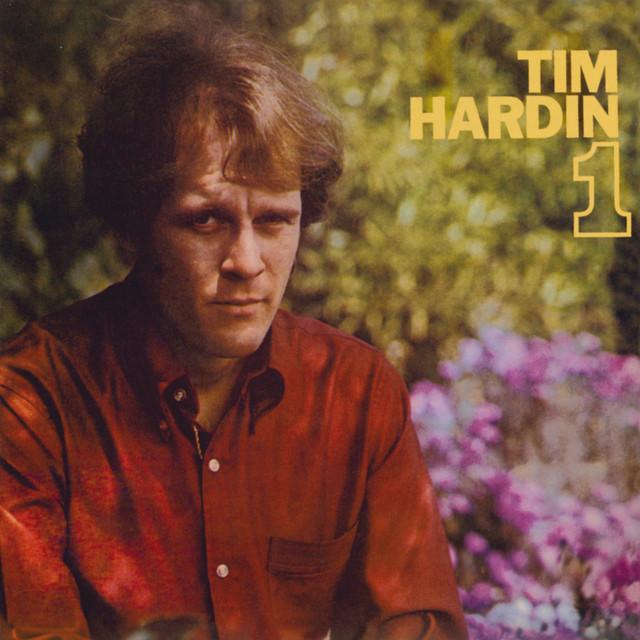
Tim Hardin wrote the song himself, and it appeared on his 1966 debut album, Tim Hardin 1, a record widely associated with the folk revival and singer-songwriter movement of the era. Those basic facts are well documented in standard discographies and album references, including AllMusic and Discogs.
A breakup song without shouting
What makes this song stand out is how calm it sounds. There is no big scene, no dramatic revenge, and no long explanation. Instead, they let the speaker sound tired, alert, and disappointed. The opening idea points to songs and speeches about tomorrow, suggesting a world full of plans that never arrive.
That is why the line about promises you can't keep
matters so much. The speaker is not asking for grand romance anymore. They are asking for truth. In plain terms, the song says false hope can be crueler than a clear ending.

Watch the official Don't Make Promises
music video
Who is speaking, and what do they know?
The song uses a first-person voice, but the emotional position is more complex than simple heartbreak. The speaker already understands what is happening. When they ask whether the other person thinks they are unaware, the message is sharp: they see the manipulation.
A key phrase is love I can only borrow
. That image suggests the relationship never feels secure or fully shared. The love is temporary, almost rented, as if it must be given back at any time. That one phrase turns a private complaint into a larger theme about unstable affection.
The emotional timeline in brief
The song unfolds in a clean sequence:
- The speaker notices a pattern of hopeful words about the future.
- They realize those words do not match reality.
- They remember a real chance the relationship once had.
- They accuse the other person of keeping them emotionally in place.
- They finally reject empty reassurance.
That structure gives the song its force. It moves from suspicion to recognition, then to a boundary.
The chorus is a warning, not a plea
The repeated title line, Don't make promises
, sounds direct because it is. This is not the voice of someone begging to be loved better. It is the voice of someone who would rather hear a painful truth than another comforting story.
Interpretation: the chorus works like a moral center. It reframes the whole song from "I am hurt" to "I know what you are doing." That shift gives the speaker dignity. They may be wounded, but they are not fooled.
Images of sleep, time, and betrayal
Hardin keeps the imagery simple, but it is carefully chosen. The phrase lies in your sleep
is especially effective. It suggests dishonesty so deep that it slips out unconsciously. Whether that is meant literally or metaphorically, the point is clear: deception has become part of the relationship's atmosphere.
Another important idea is timing. The speaker says there was once a chance to find something real, but that chance is gone. The relationship was not doomed from the start. That makes the song sadder. It is about a missed moment as much as a broken bond.
Our time was now or never
Don't go on betraying it
This short moment captures the song's center. There was urgency, then delay, then damage. The betrayal is not just cheating in a narrow sense; it is the betrayal of possibility.
How the sound carries the meaning
Part of the meaning of Don't Make Promises Tim Hardin comes from how restrained the recording feels. Hardin's style on Tim Hardin 1 is rooted in intimate folk performance: light acoustic textures, a steady pace, and a vocal that sounds close and unforced. Album guides and retrospectives regularly note his soft, deeply personal delivery, including AllMusic.
That matters because the arrangement never over-explains the pain. The song leaves space around the words. Instead of pushing emotion outward, it draws the listener inward. Their quietness becomes part of the message: broken trust does not always arrive with noise. Sometimes it arrives in a tired voice and a simple sentence.
Why the song still connects
The reason this song still lands is that many people know this kind of disappointment. Someone says the right things, talks about tomorrow, and keeps another person hanging on. Hardin captures the moment when affection and skepticism exist together.
Interpretation: listeners may hear the song in two ways. One reading is romantic betrayal between partners. Another is broader emotional manipulation, where one person keeps another attached with future promises. Both fit the lyric.
The lasting takeaway
In the end, the song is less about anger than clarity. They show a speaker who has stopped confusing words with commitment. That is the real ache and the real wisdom inside it.
The meaning of Don't Make Promises Tim Hardin is that honesty matters more than hope when hope has become a mask. The song remains powerful because it says that gently, clearly, and without wasting a word.
Disclaimer: This interpretation is based on the song's lyrics, recording style, and available artist context. As with most great songs, listeners may hear meanings that differ from this reading.








