Why Toby Keith’s Bar Song Still Connects
The meaning of I Love This Bar Toby Keith comes down to one simple idea: a favorite hangout can feel like home. The song is built around a bar, but its real subject is belonging. Instead of praising luxury or romance, it praises a room full of regular people who do not have to pretend.
"I Love This Bar" - Toby Keith
Chain smokers and boozers
An' we got yuppies, we got bikers
Loading lyrics...
Unable to load lyrics
We're unable to display the lyrics at this time. Please try again later.
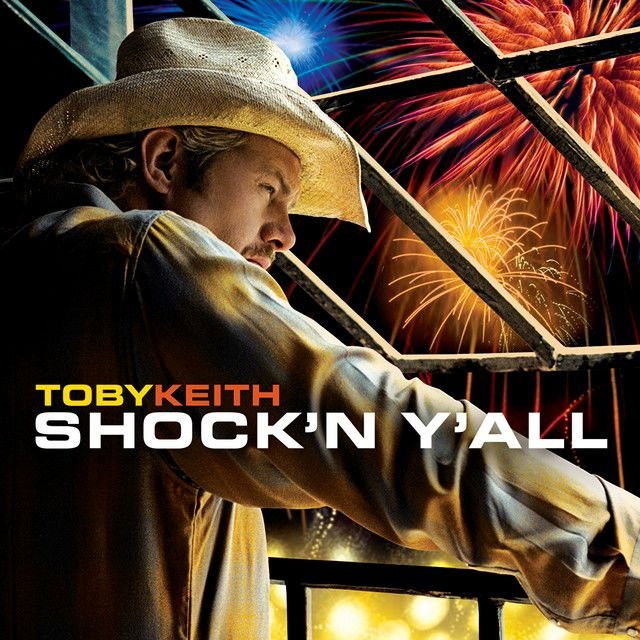
Released in 2003 as the lead single from Shock'n Y'all, the song was written by Toby Keith and Scott Emerick and became one of Keith’s signature hits. It also fit a larger public image Keith had built in the early 2000s: blunt, funny, and strongly tied to everyday country life.
More Than a Drinking Song
On the surface, the track is exactly what its title promises. It is a cheerful tour through a local bar, full of colorful characters and rough edges. But the song keeps returning to the same emotional point: this place feels welcoming because it accepts everyone.
The verses list people from very different backgrounds, from winners
and losers
to truckers, bikers, veterans, divorcees, and late-night drifters. That mix matters. The lyrics do not sort people by status. They flatten those differences and make the bar a social equalizer.
Interpretation: The bar works as a symbol of community without judgment. It is not perfect, classy, or even especially clean. That is the point. Its value comes from familiarity and openness, not polish.
Watch the official I Love This Bar
music video
The Crowd Is the Real Story
A lot of country songs focus on one relationship, one heartbreak, or one memory. This one does something different. It builds a setting through a crowd.
Instead of telling a dramatic plot, the song collects snapshots: veterans talking about old scars, workers unwinding, oddballs mixing with regulars, and people staying until closing time. Even the rougher details add to the charm. The song suggests that a place becomes meaningful because of who gathers there, not because it looks impressive.
That is why the recurring line about it being my kind of place
matters so much. The singer is not only describing a bar. They are describing personal identity. This is the kind of space where they feel understood.
How the Chorus Turns Place Into Feeling
The chorus is direct, catchy, and easy to remember. It explains that even walking through the door brings joy. That simple reaction turns the bar into more than a backdrop.
It ain't too far
come as you are
Those short lines capture the song’s biggest idea. The place is close, easy, and open. It does not require money, style, or performance. A listener can hear a quiet promise in that invitation: you are enough as you are.
Interpretation: This is why the song lasted beyond novelty. Many listeners likely heard not just a bar anthem, but a fantasy of uncomplicated acceptance.
Sound That Feels Like a Real Honky-Tonk
The production supports that meaning at every step. Musically, the song leans on a steady midtempo country groove, barroom piano touches, electric guitar, and a singalong chorus. Nothing in the arrangement is too fancy or dramatic.
That matters. A slick or highly polished production could have undercut the song’s message. Instead, the track sounds relaxed and lived-in, like a band that knows exactly what kind of room it is playing. Keith’s vocal delivery also helps. They sing with an easy confidence that makes the affection feel casual rather than sentimental.
The result is a song that sounds like the place it describes: familiar, loud enough to feel lively, but never so intense that it stops being comfortable.
Toby Keith’s Persona and Why It Fits
Part of the song’s impact comes from who was singing it. By 2003, Toby Keith was already known for songs that mixed humor, pride, and plainspoken storytelling. This track fit that image well, presenting everyday nightlife as something worth celebrating.
It also arrived during a period when Keith’s career was especially visible in mainstream country. A song about a local bar fit neatly with his broader brand of working-class confidence and unapologetic plain talk. In that context, the song felt less like a random single and more like a statement of identity.
A Few Deeper Readings
There is an obvious reading of the song: it is fun, funny, and designed for a crowd to shout along with. That reading is true.
But there is also a second layer. The bar can be heard as a stand-in for a version of America that values looseness, tolerance for eccentric people, and shared ritual. Drinking, dancing, arguing, and swapping stories all become ways of building a temporary family.
A third reading is more personal. When the singer says they like many things in life but love this place most, they may be hinting at routine and escape. The bar is where stress drops away. It offers predictability in a world filled with demands.
Why the Song Still Works
The meaning of I Love This Bar Toby Keith still connects because most people understand the feeling, even if their own version is not a bar. It might be a diner, porch, garage, or neighborhood shop. The emotional idea is the same: a place where they can show up, see familiar faces, and relax.
That universal feeling helps explain the song’s staying power. Beneath the humor and rowdy detail, it captures something basic and human: people want spaces where they belong without explanation.
Final Take
In the end, "I Love This Bar" is about more than nightlife. It turns a crowded honky-tonk into a symbol of comfort, identity, and low-pressure community. That is why the song feels bigger than its setting.
Disclaimer: This interpretation balances lyrical analysis with cultural context. As with any song, listeners may hear meanings that differ from the artist’s intent.








