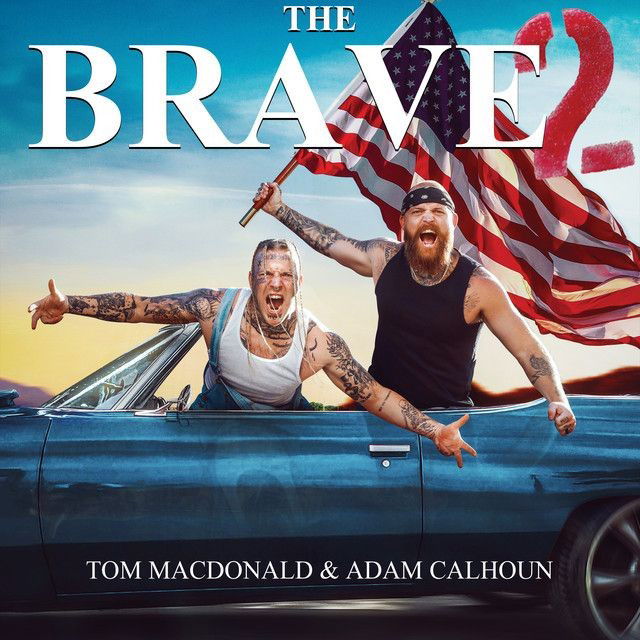
American Flags by Tom MacDonald, Adam Calhoun
They built a rallying cry out of a single image. The meaning of American Flags Tom MacDonald, Adam Calhoun centers on pride, grievance, and a loud claim of belonging. It’s a protest song from the right, using chant-ready hooks and combative verses to draw a hard line around identity and country.
"American Flags" - Tom MacDonald, Adam Calhoun
They banning us, they cancel us for speaking the facts
If you man enough, come stand with us, take USA back
Loading lyrics...
Unable to load lyrics
We're unable to display the lyrics at this time. Please try again later.
A Pledge, A Warning, and a Rally
At heart, the track is a statement of group solidarity. The narrators say they feel under attack
and answer with defiance. They promise to take USA back
, not as quiet policy talk but as a street‑level mobilization.
Interpretation: The repeated image of American flags
works like a badge. Waving the flag is cast as both community signal and territorial claim—“we’re here, and we aren’t moving.” It’s also a litmus test: if the flag offends, the song suggests you’re on the outside.
Who’s Speaking, And Who’s Being Addressed?
The voices switch between first‑person singular and a collective “we.” They call out “my people” and aim their bars at perceived cultural enemies—critics, media voices, and “woke” institutions. The tone mixes pride with threat language, which makes the song feel like a rally speech delivered at full volume.
Interpretation: The verses are less about persuading opponents and more about energizing allies. This explains the direct taunts, the swagger, and the refusal to soften edges for broader appeal.
A Quick Timeline of the Message
- Opening call: They claim censorship and social backlash, setting a siege mentality.
- Verses: They double down with bravado, firearms imagery, and hardline stances on gender, protest, and speech. The line
never gonna take a knee
rejects anthem protests and frames patriotism as uncompromising. - Final stretch: The hook multiplies the symbol—tattoos, vehicles, and crowds—until the flag becomes omnipresent. The visual mantra
stars, you see stripes
turns patriotism into scenery.
What the Chorus Really Says
The chorus isn’t just catchy; it’s a frame. By centering American flags
again and again, the song turns a national emblem into a team logo. Interpretation: The hook converts frustration into unity. Even listeners who disagree know exactly what team the record represents.
Symbols and Motifs, Decoded
- The flag: A unifier and boundary line. It signals protection of tradition and national pride.
- Guns (AK, AR, Draco): Power, readiness, and the Second Amendment as identity. They’re used to project control and seriousness, not just sport.
- Eagles and “Old Glory”: Classic patriotic shorthand for nation and sacrifice.
- Kneeling at the anthem: A rejected protest, replaced with unwavering allegiance.
- “Woke” vs. “awake”: In the jab
go woke and go broker
, they flip a culture-war slogan into a cause-and-effect claim about values and success. - Fire and ashes: References to burning flags heighten the stakes—honor vs. desecration.
How the Sound Carries the Message
The production leans on booming, march-like drums and a hook built to be shouted in unison. Verses arrive with clipped cadences and punchy end rhymes, creating momentum and confrontation. Layered ad‑libs and call‑and‑response details make the chorus feel like a crowd scene, which fits the rally concept.
Interpretation: The mix spotlights the slogan moments, letting the vocals ride above the beat when the flag motif lands. Everything—from tempo to delivery—is designed to translate easily to live shows, parking‑lot meetups, and viral clips.
Context: Artists, Audience, and Positioning
Both artists have built careers by leaning into hot‑button topics from a right‑leaning angle, often outside major‑label systems. Their collaborations pair independent marketing savvy with culture‑war subject matter. That choice shapes reception: supporters hear a freedom anthem that speaks to veterans, blue‑collar workers, and rural listeners; critics hear dehumanizing language and escalation.
Interpretation: The song operates as identity media. It’s less a policy statement than a mirror for a specific crowd—people who want to see themselves as tough, loyal, and unfairly maligned.
Alternate Readings Worth Considering
- Empowerment reading: A pro‑freedom banger for listeners who feel ignored by mainstream culture. The hook promises safety in numbers.
- Escalation reading: The violent bravado may normalize threat imagery, hardening divisions rather than solving problems.
Both can be true in different ears. That duality is why the track sparks strong reactions.
Takeaway: Why This Song Sticks
The meaning of American Flags Tom MacDonald, Adam Calhoun lives in its symbol economy. A single image—multiplied across trucks, arms, and crowds—does the heavy lifting. Whether heard as solidarity or provocation, it nails its goal: make the flag feel like a team jersey and dare others to challenge it.
Disclaimer: This analysis is an interpretation based on the officially released recording and publicly available lyrics; meanings can vary by listener and context.









